When Cities Pause: Designing for Real-World Disruptions
Startups are often built with ideal conditions in mind. Real-world disruptions have other plans.
Stable logistics. Predictable demand. Always-on operations.
But the reality of operating in travel and local commerce is very different.
Cities change. Sometimes overnight.
And if a platform is built only for when things are running smoothly, it can quickly break when they’re not.
Table of Contents
- Startups Rarely Operate in Ideal Conditions
- What We Learned in Kathmandu
- Designing Operations City by City
- Building Tools That Empower Vendors
- Communication During Disruptions
- Preparing for City Expansion
- Building for What Actually Happens
Startups Rarely Operate in Ideal Conditions

Tourism is deeply tied to what’s happening on the ground.
Local holidays, weather disruptions, political events, or unexpected closures can all impact how a city functions; and how businesses within that city operate.
For platforms connecting travelers, vendors, and delivery partners, these moments are not edge cases.
They are part of the environment.
The question is not whether disruptions will happen, but how a system responds when they do.
What We Learned in Kathmandu

As Avendi has been operating in Kathmandu, we were introduced to this reality.
During a period of political protests, movement across the city became unpredictable. For a few days:
- logistics slowed down
- vendors faced uncertainty around operations
- delivery timelines became harder to guarantee
What became clear was that the platform needed to do more than process orders.
It needed to adapt to changing city conditions, without overwhelming vendors or disappointing customers.
Designing Operations City by City

One of the foundational decisions behind Avendi was to operate city by city, rather than building a global fulfillment model.
Each city has:
- its own vendors
- its own delivery network
- its own operational realities
By keeping logistics contained within city limits, the platform is able to maintain:
- faster delivery timelines
- closer coordination with vendors
- more control during unexpected situations
This structure also makes it easier to pause or adjust operations when needed, without affecting the entire system.
Building Tools That Empower Vendors


One of the biggest learnings from Kathmandu was the importance of giving vendors control.
In moments of uncertainty, vendors need to be able to respond quickly, without relying on platform intervention.
But this isn’t limited to disruptions.
Many of the vendors we work with are small teams, often one or two people managing everything. They might be running a pop-up, stepping away for the day, or simply taking a break.
So we redesigned the vendor dashboard to support this.
Vendors can now:
- update order statuses easily on mobile
- manage incoming orders with minimal friction
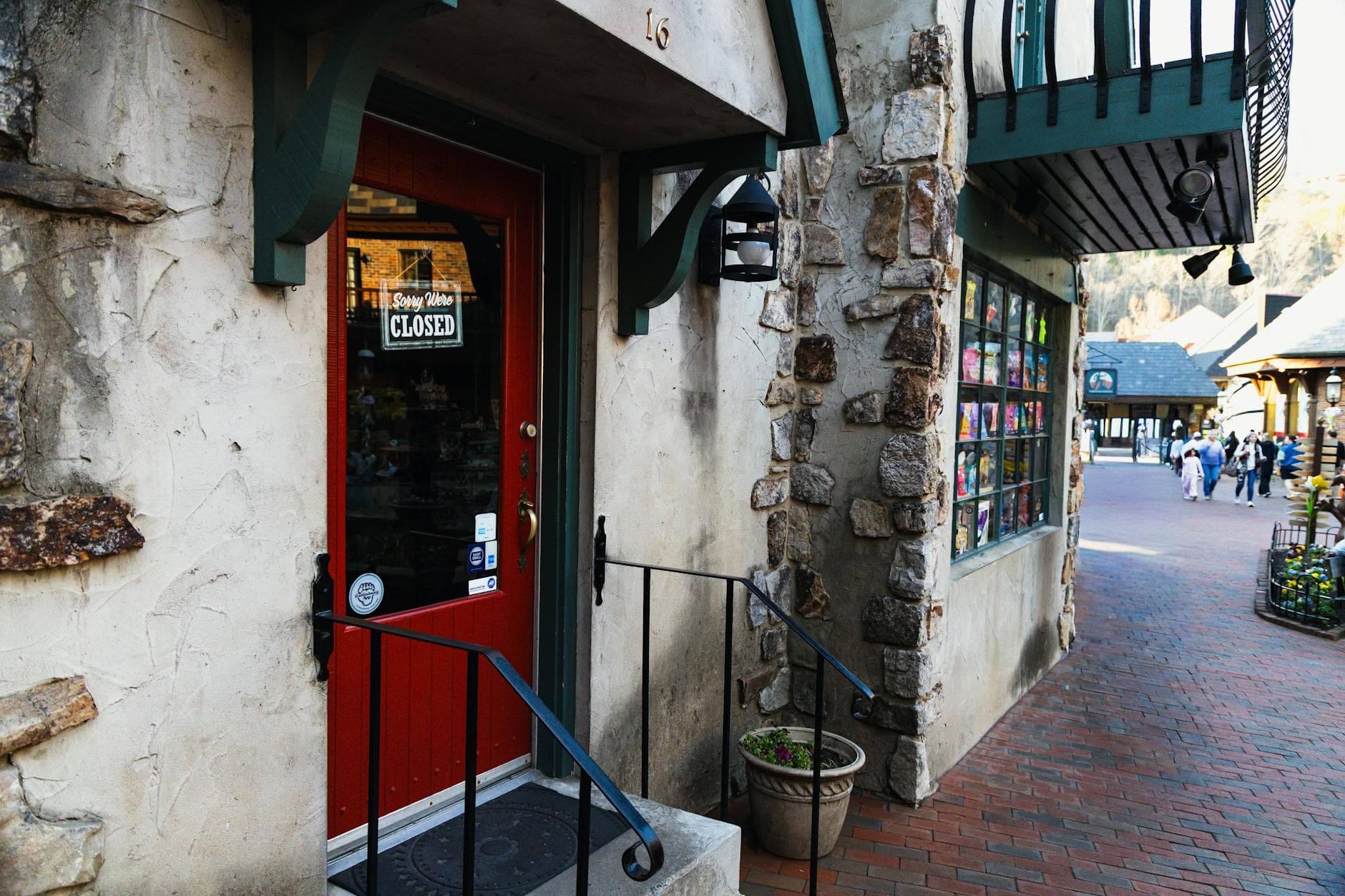
- temporarily close their store with a simple toggle
When a store is set to “closed,” products remain visible, but the ability to place new orders is paused.
This allows vendors to step back when needed, while maintaining transparency for customers.
Sometimes resilience in a platform comes from building for everyday realities, not just edge cases.
Communication During Disruptions

Operational changes alone are not enough.
Clear communication is just as important.
When there are broader disruptions, the platform activates additional layers of communication:
- banners across the website
- contextual pop-ups on product pages
- clear messaging about delivery timelines
This ensures that customers understand what’s happening, and vendors are not burdened with individual explanations.
It also creates a buffer during off-hours, when the core team may not be able to respond immediately.
Preparing for City Expansion

As Avendi expands into Singapore, Okinawa and Dubai, these learnings shape how the platform evolves.
The goal is not to eliminate disruptions, that isn’t possible.
The goal is to build systems that can adapt to them gracefully.
By combining:
- localized operations
- vendor-led controls
- clear communication protocols
the platform is better prepared to operate in the real world, not just ideal conditions.
Building for What Actually Happens
Travel is dynamic. Cities are complex.
And platforms that operate within them need to reflect that reality.
Designing for the real world means accepting that things will change, and building systems that can respond without friction.
Because sometimes the most important feature is not speed or scale.
It’s the ability to pause, adjust, and continue, without breaking the experience for everyone involved.
Bring authentic local souvenirs to your guests
Avendi partners with hotels and travel brands to offer guests same-day delivery of locally made products — no inventory, no retail space, no operational lift.