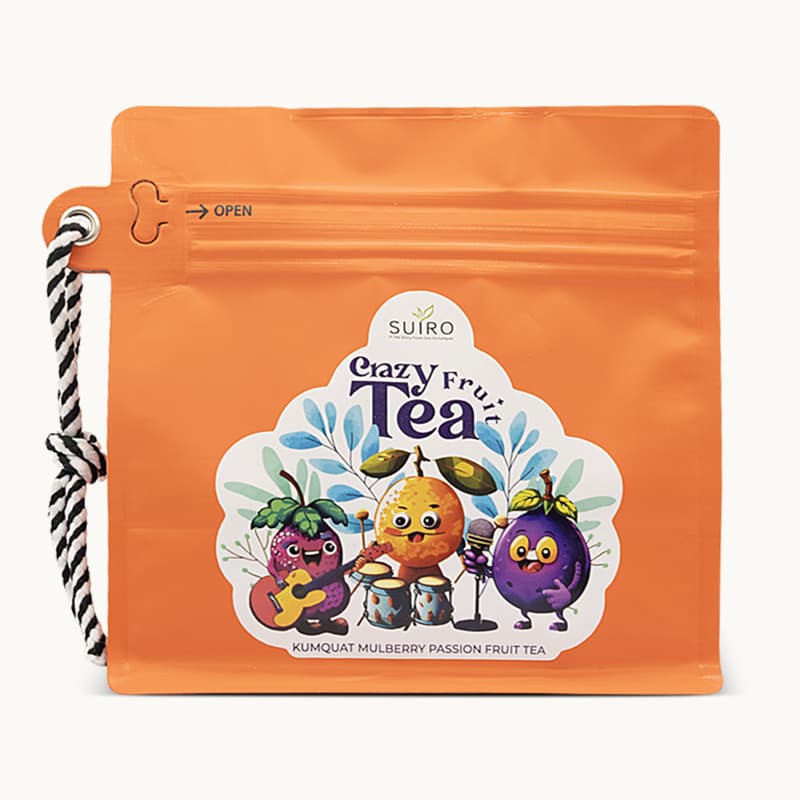
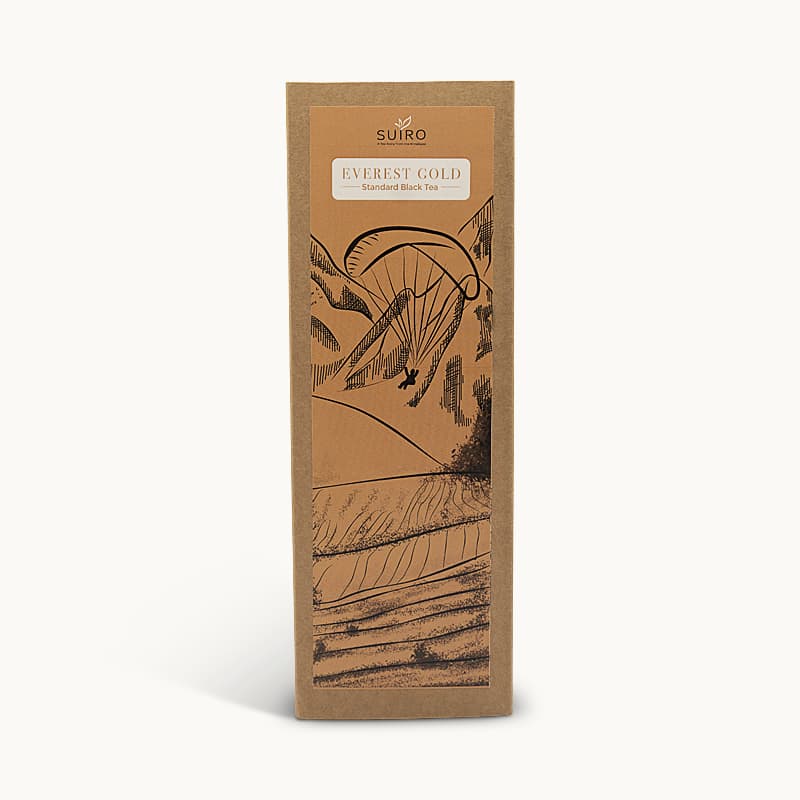
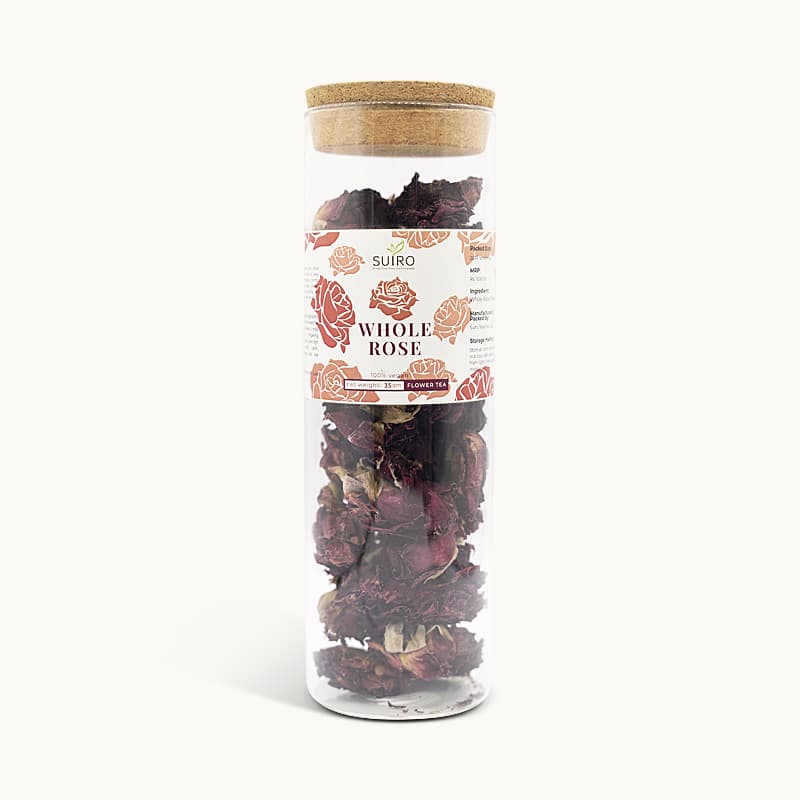
Nepal's tea industry is centered in Ilam — a high-altitude district in eastern Nepal with growing conditions comparable to Darjeeling but a fraction of the export volume. Ilam's mist-shrouded tea gardens produce single-origin black, green, oolong, and white teas, often hand-picked in small batches from smallholder tea plants and seasonally rare outside the country.
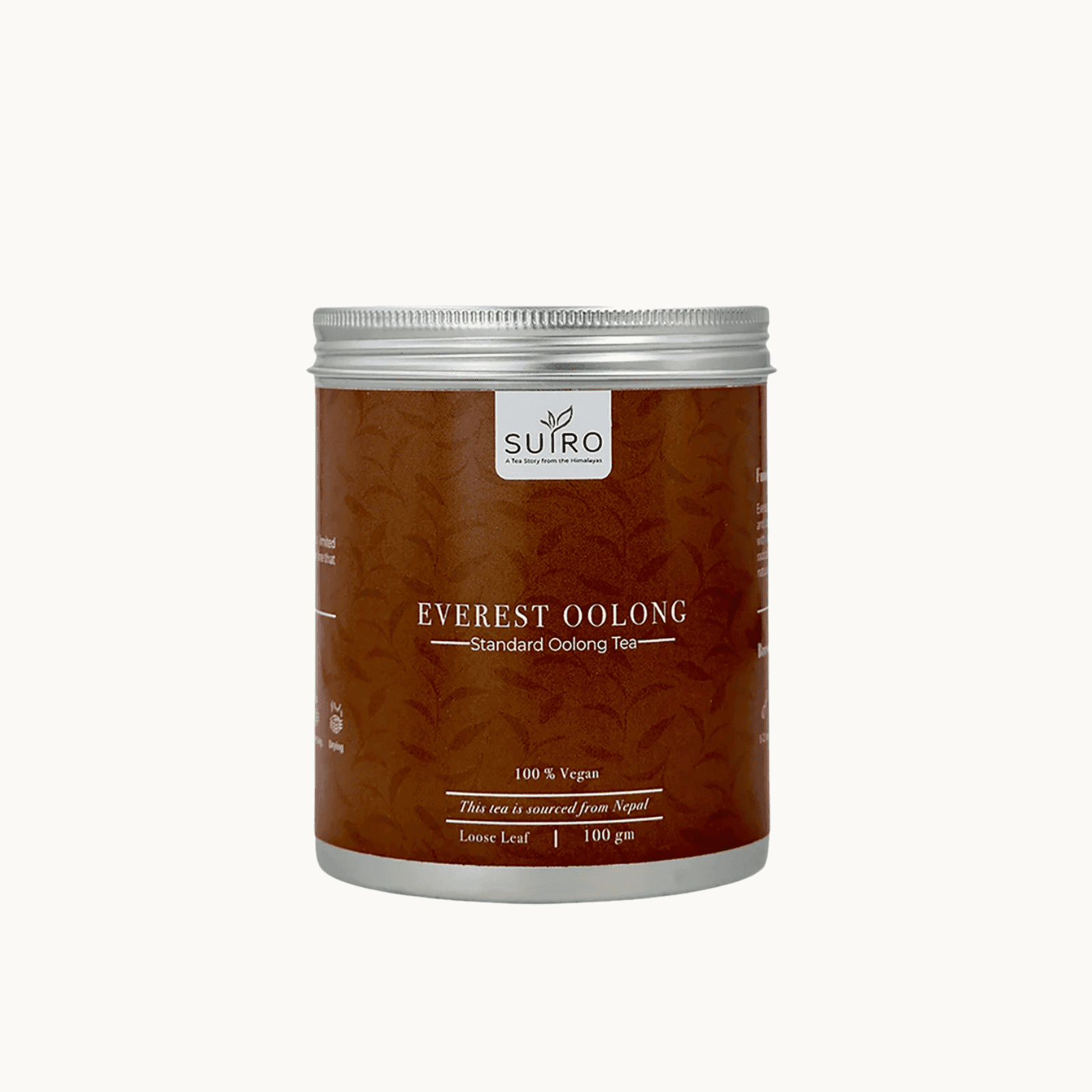
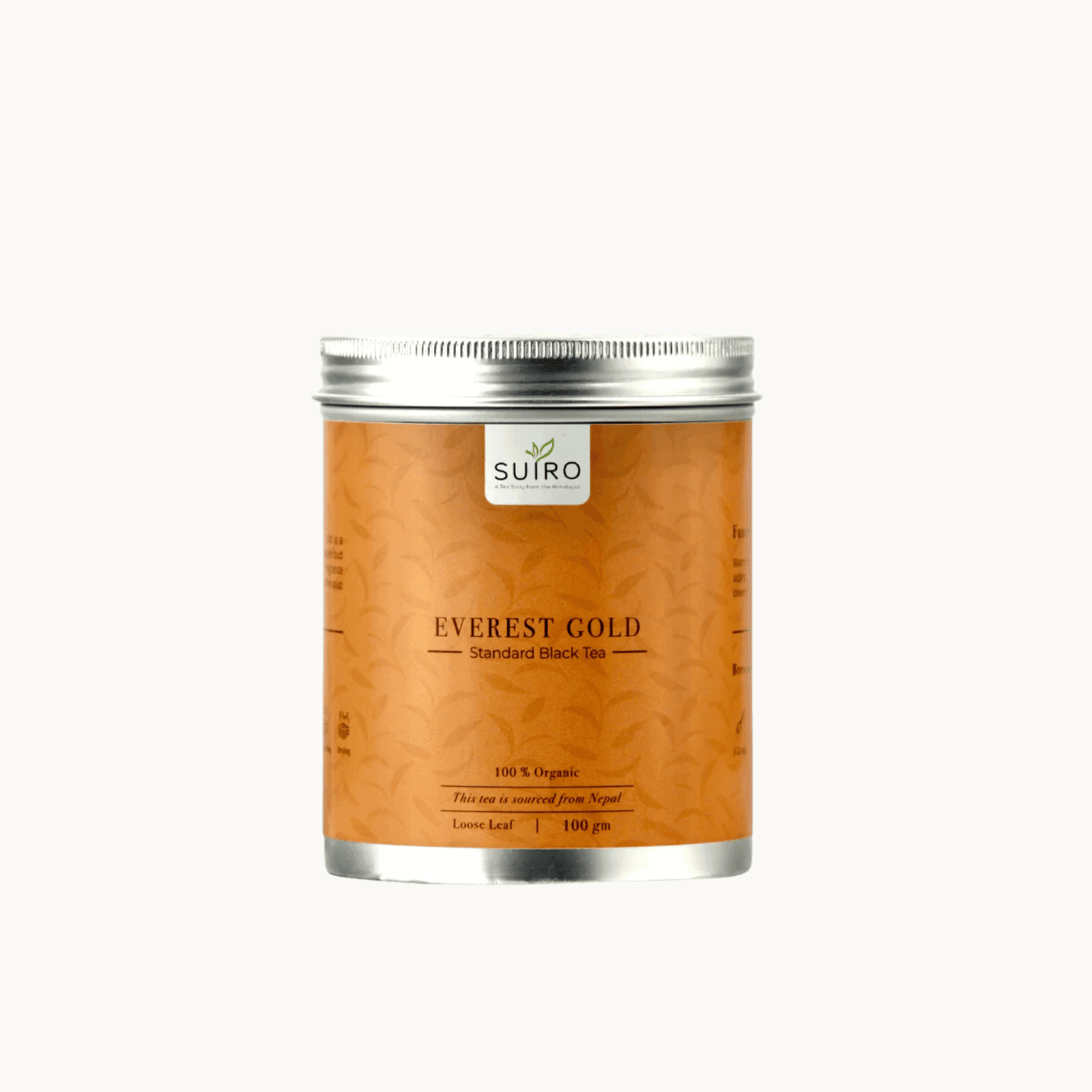
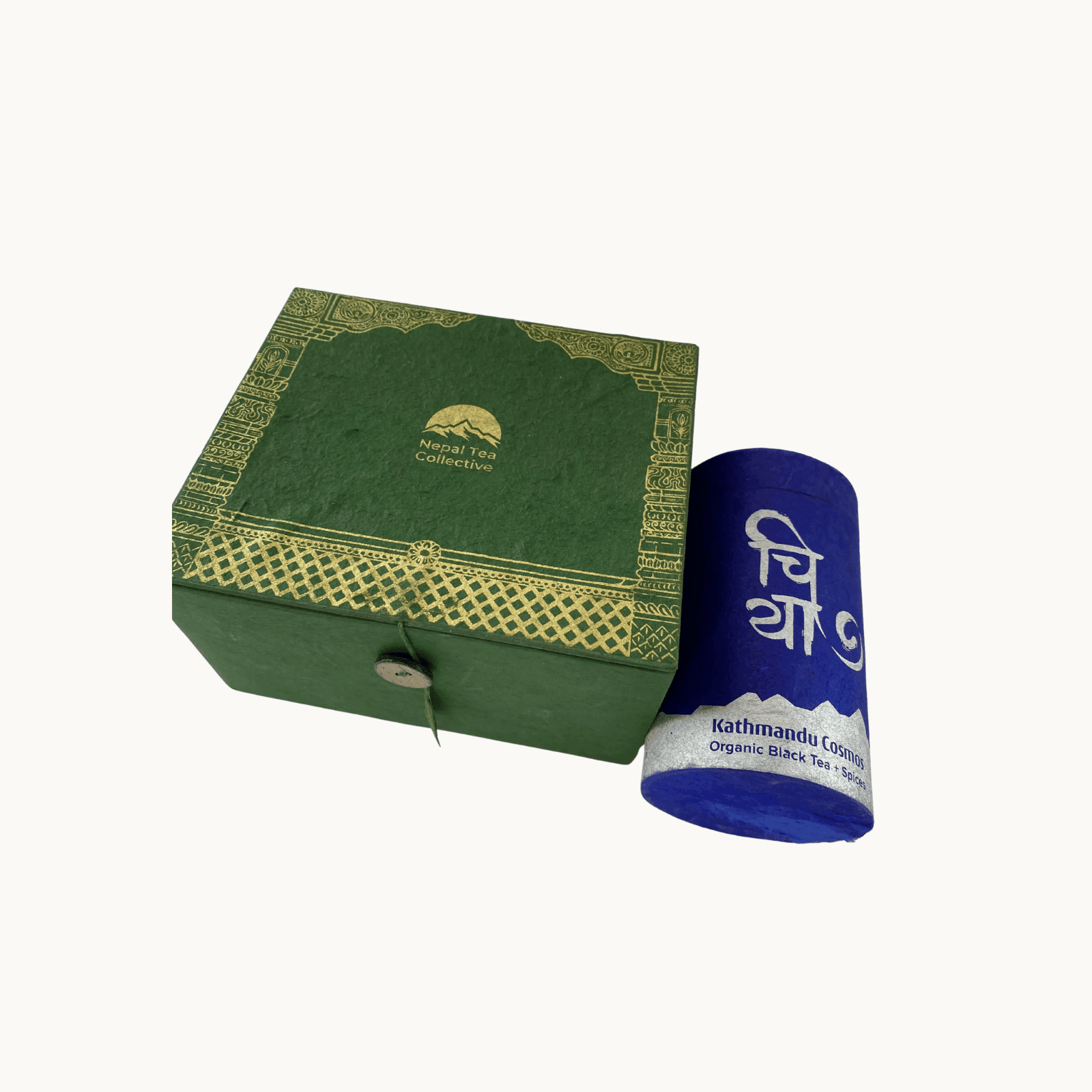
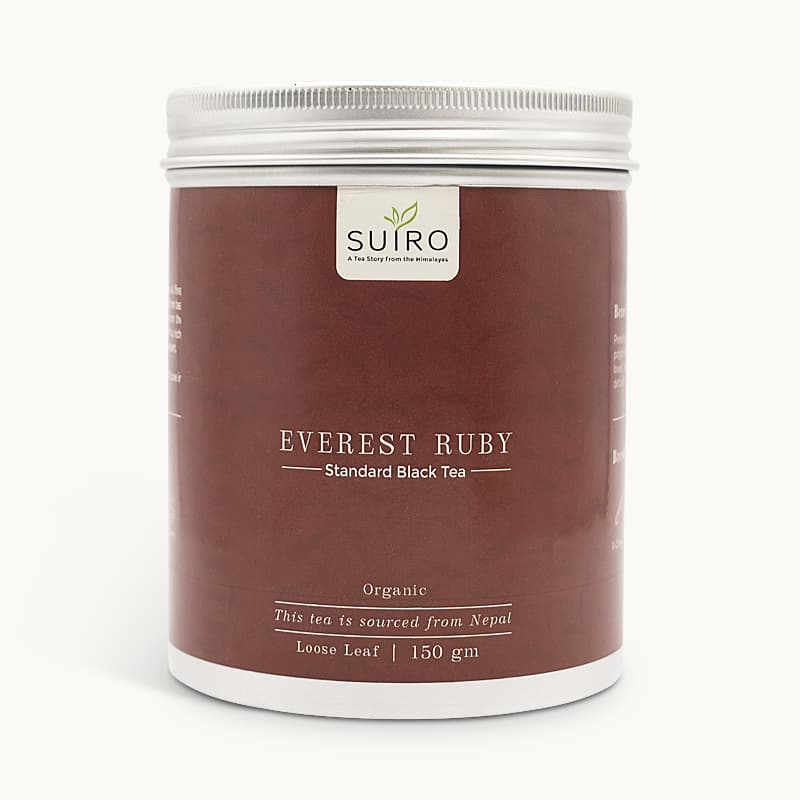
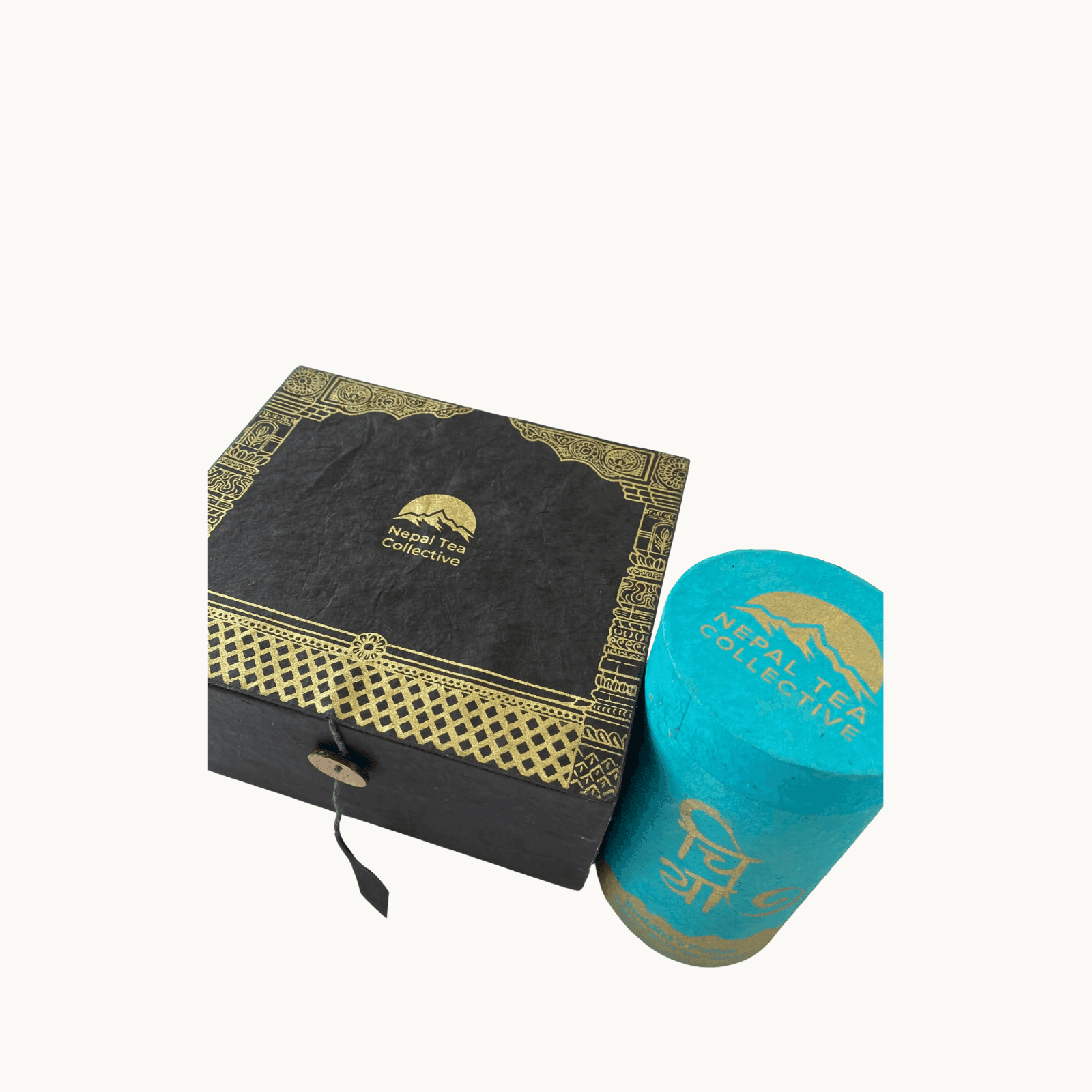
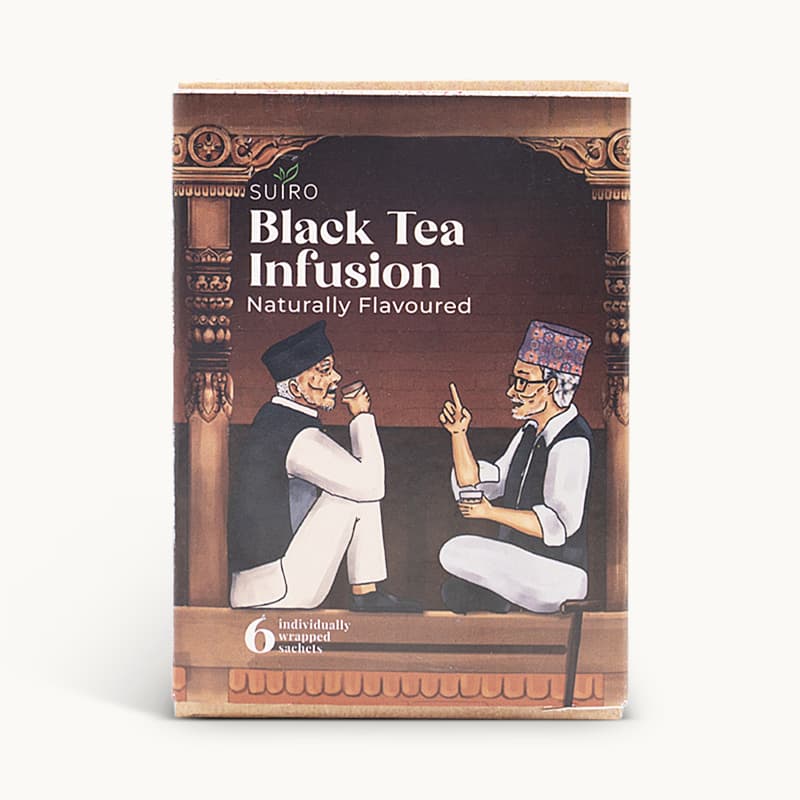
Avendi lists Nepali loose leaf teas from the country's most respected growers and brands — NTC (Nepal Tea Collective), Karma, Suiro, Everest — fulfilled directly by verified Kathmandu vendors at the same price you'd pay on their own websites. You're buying Nepali tea at source, not a re-branded Darjeeling blend.
Ilam sits between 1,000–2,500 metres. The cool misty climate slows leaf growth and concentrates flavor — the same reason Himalayan tea carries the reputation it does. Many of these tea gardens are smallholder farms with mature tea plants tended by hand.
Nepali tea is a craft industry, not a commodity. Most of Avendi's teas are hand-picked in small lots by Ilam growers — you can taste the single-garden character.
Instead of picking one brand, we carry the best from NTC, Karma, Suiro, Everest, and Himalayan Java — so you can compare a Silver Yeti white with a Kumari Gold black in one place.
All commercial tea — black, green, oolong, white, and the lightly oxidised in-betweens — is made from the leaves of a single evergreen plant: Camellia sinensis. The variety grown in Nepal's eastern hills is Camellia sinensis var. sinensis, the small-leafed Chinese cultivar that thrives at altitude. The same plant produces every style; what changes is the picking standard (two leaves and a bud is the benchmark for premium grades) and how the leaf is processed after harvest.
Most teas from Nepal are produced in two ways. Orthodox loose-leaf is the high-end style: leaves are withered, hand-rolled or lightly machine-rolled to bruise the cell walls, oxidised for a controlled period, then fired. The whole leaf stays intact, which is why Ilam orthodox teas brew clear, layered cups that reward a second and third infusion. CTC — crush, tear, curl — is the volume style: the leaf is shredded into uniform granules that brew quickly and strongly, the format used for milk tea and chiya across the country. Avendi's Ilam range is overwhelmingly orthodox loose-leaf; the CTC tier is represented mainly through Karma's masala and ginger blends, where the strength of CTC is part of the recipe.
Picking season also matters. First flush, picked late February through April, is delicate and floral. Second flush, picked through summer, is fuller-bodied and more muscatel. Autumnal flushes carry their own character. Each product page on Avendi notes the flush, garden, and elevation where the data is available, so you can choose teas from Nepal the way you would choose a wine — by region, season, and producer rather than by brand alone.
Ilam tea is tea grown in Ilam district of eastern Nepal — a mountainous region adjacent to Darjeeling but with a distinct, slightly more muscatel and floral profile. Ilam produces black, green, oolong, and white teas in small batches, mostly hand-picked by smallholder gardens.
The growing conditions are similar — both sit at Himalayan altitudes — but Nepali tea is typically made in smaller estates with less industrial processing. The result is fresher, more rustic flavor at a fraction of the export premium of Darjeeling. Many connoisseurs consider Ilam a hidden alternative to high-end Darjeeling.
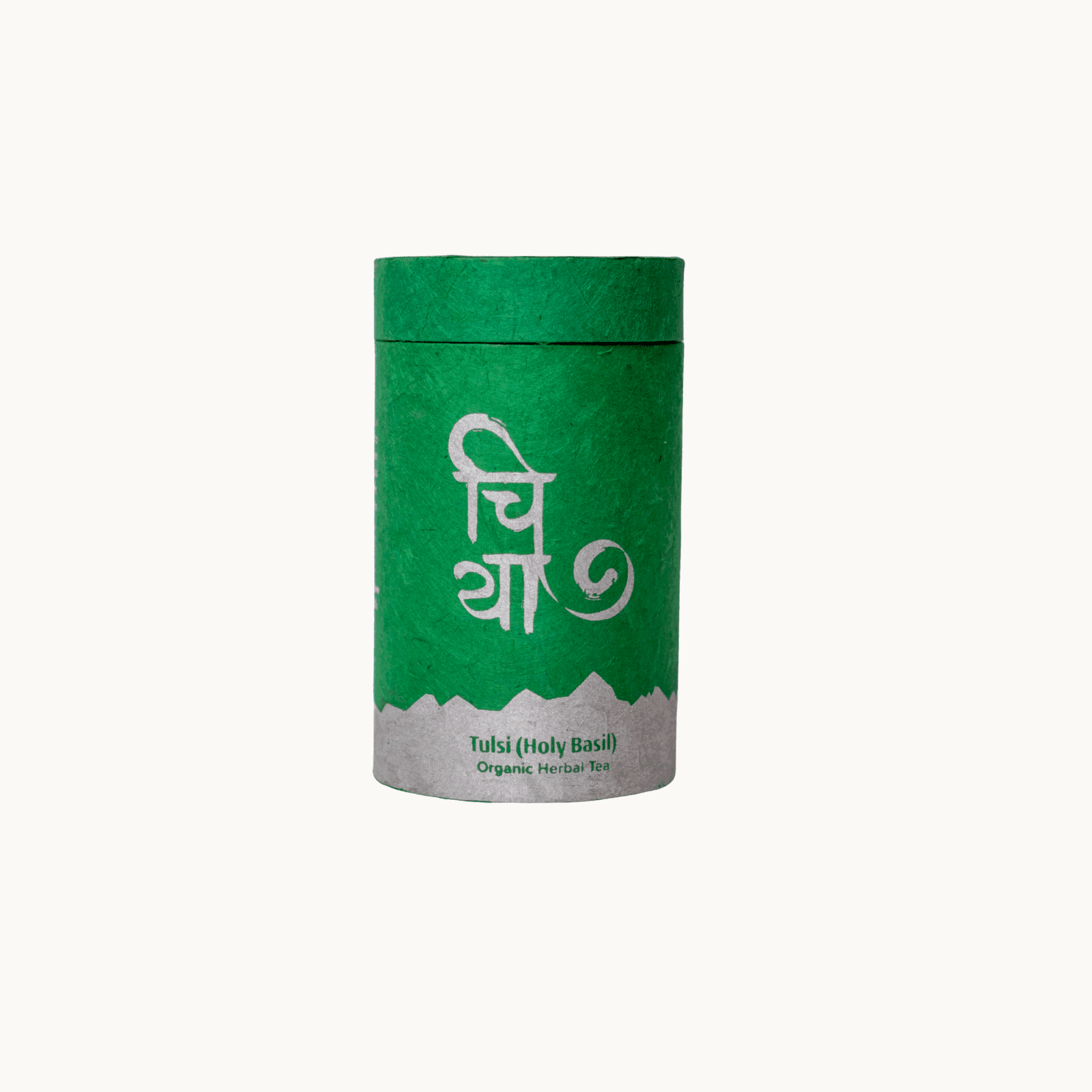
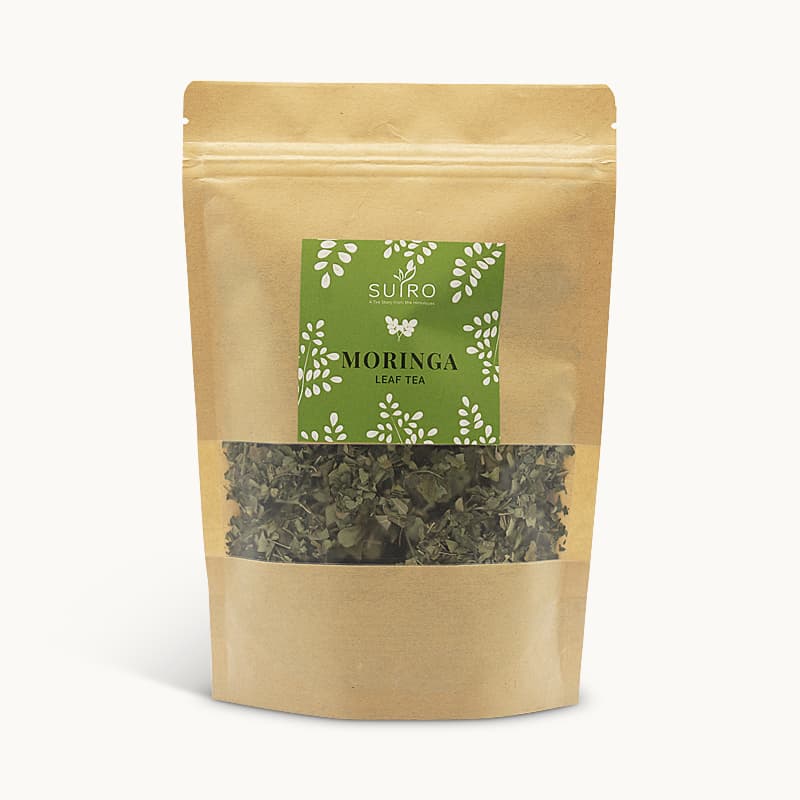
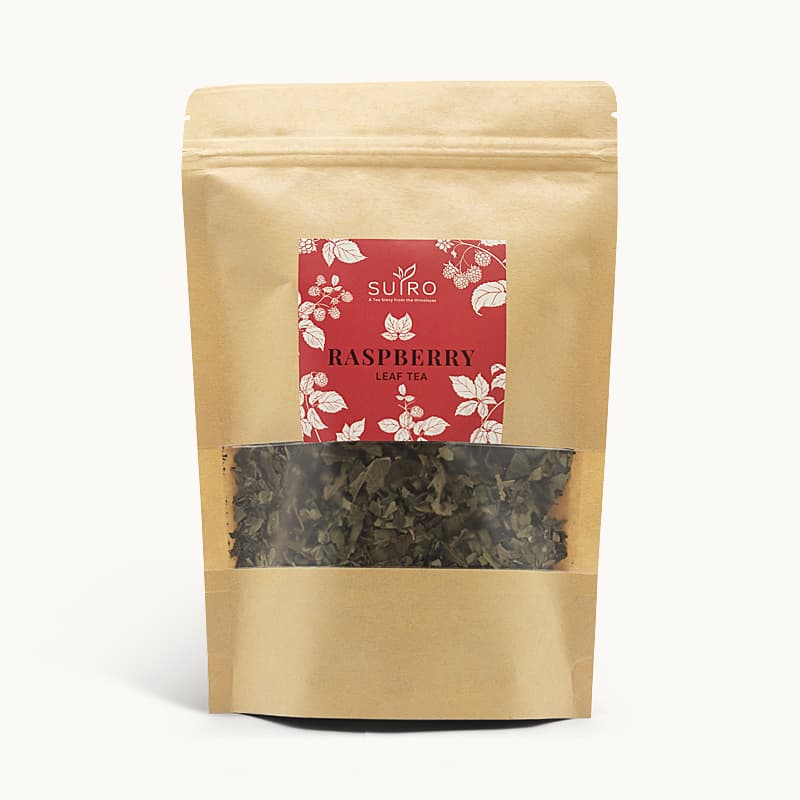
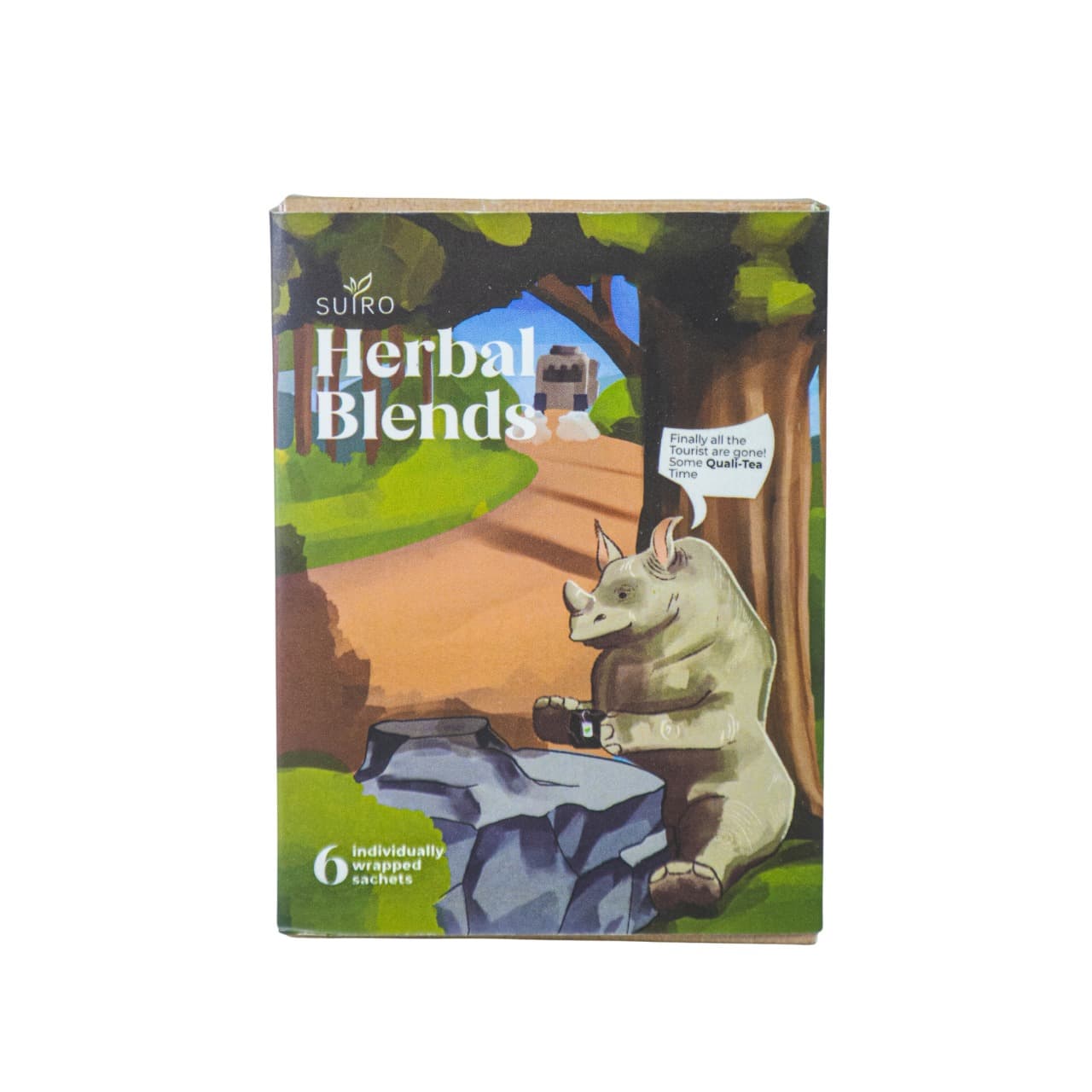
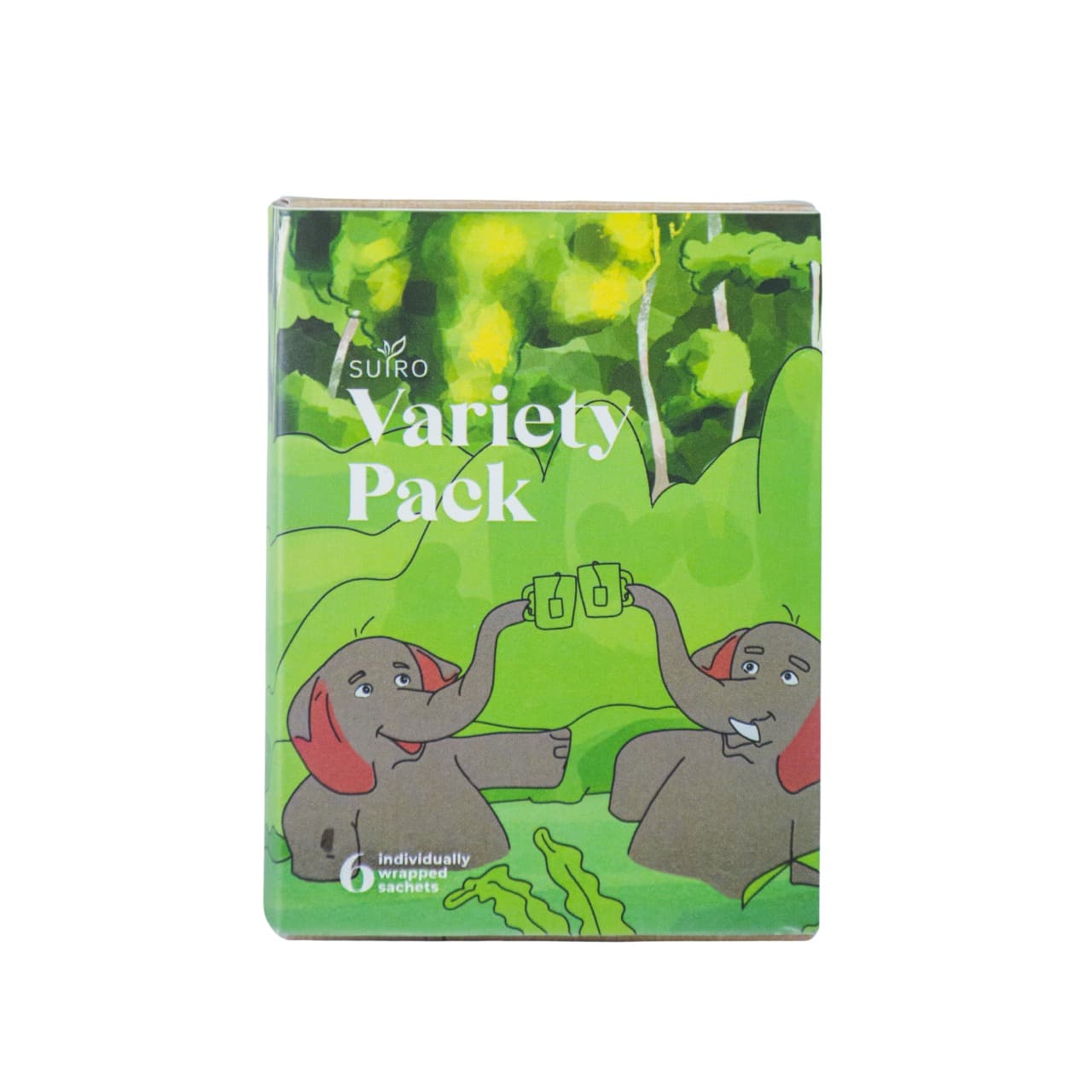
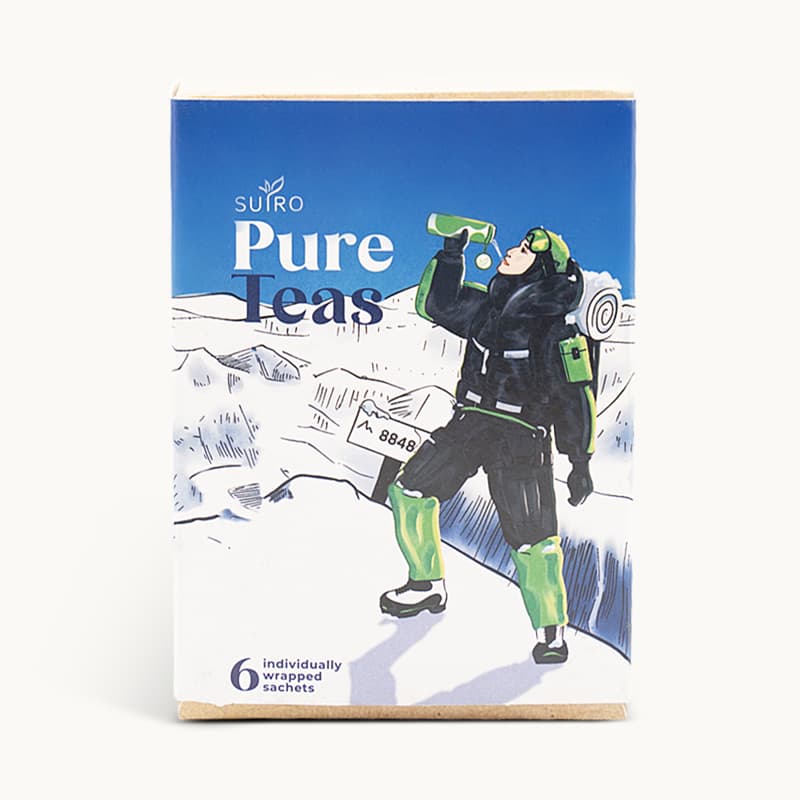
We curate across NTC (Nepal Tea Collective), Karma, Suiro, Everest, and Himalayan Java — covering single-origin blacks and greens, oolongs, whites, herbal blends, matcha, and ceremonial-grade teas.
Many Nepali tea estates are certified organic — Ilam's smallholder model means most gardens use minimal chemical intervention by necessity. Each product page notes whether the specific tea is certified organic.
Black tea: 95–98 °C water, 3–4 minutes. Green tea: 75–80 °C water, 2–3 minutes. White tea: 70–75 °C, 4–5 minutes. Use around 3g of leaf per 200ml of water. Nepali teas reward a second infusion — don't discard the leaves after one brew.
Yes — Nepali tea ships internationally from our Kathmandu warehouse. Tea is shelf-stable and customs-friendly in most destinations; check your local import rules for sealed food products before ordering large quantities.