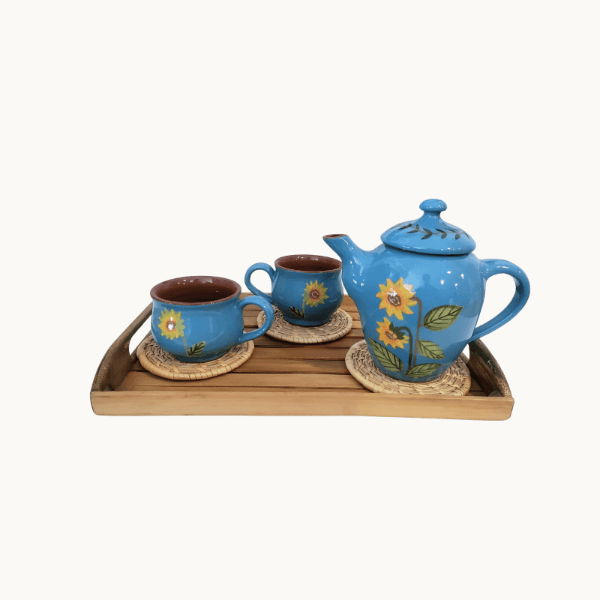
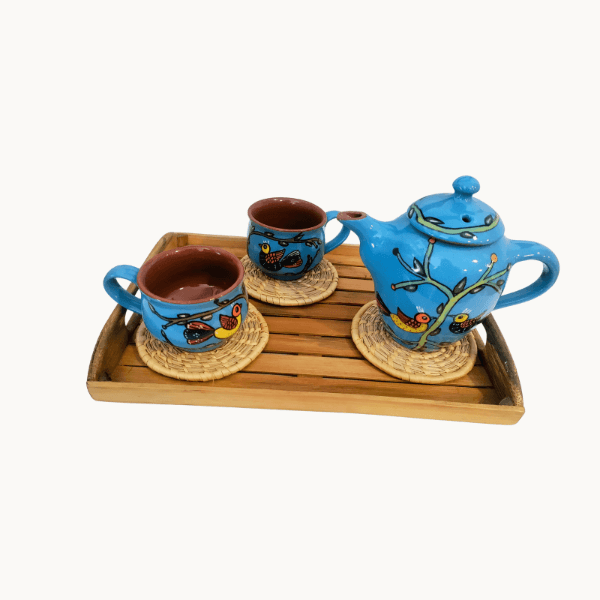
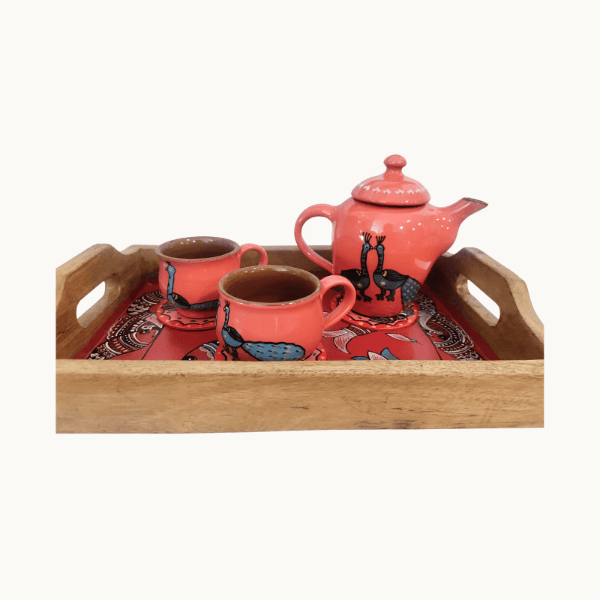
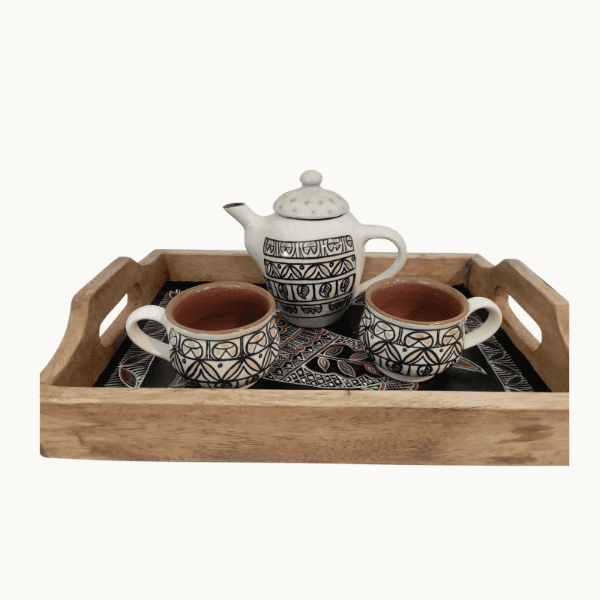
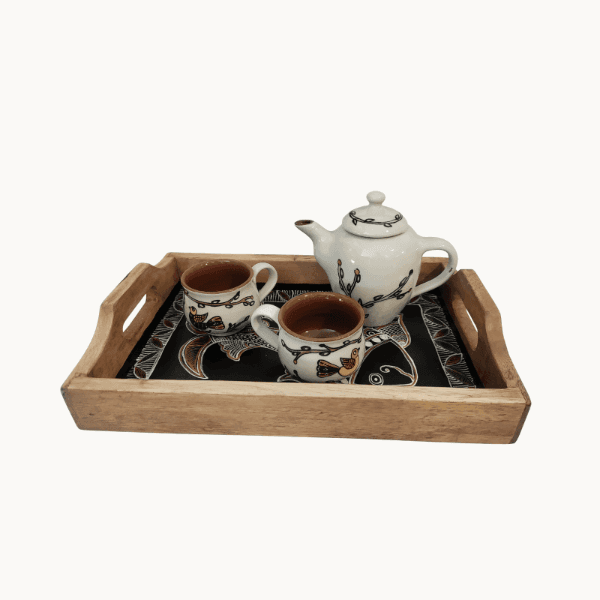
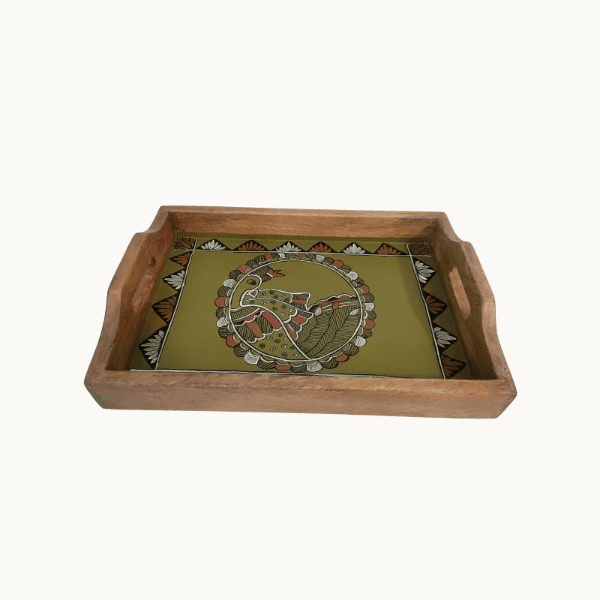
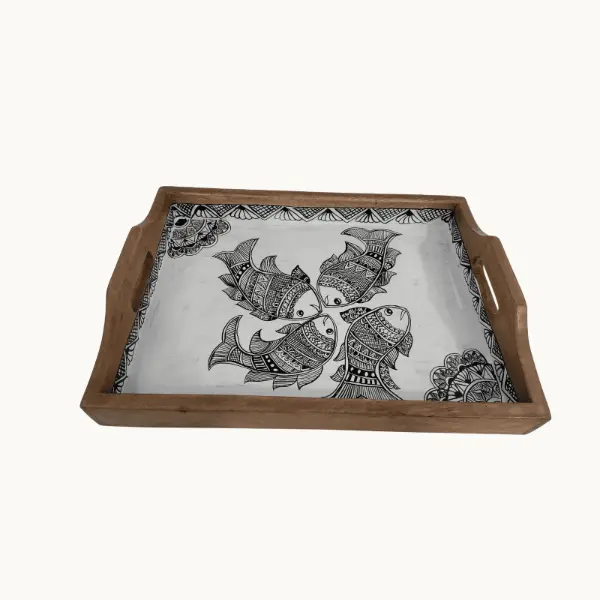
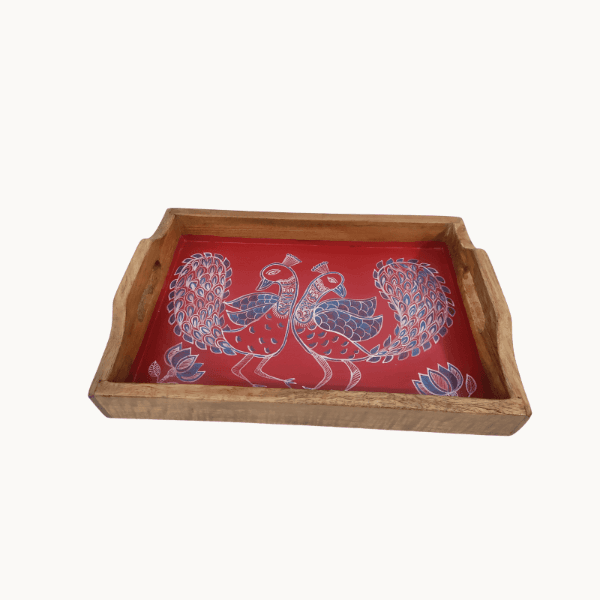
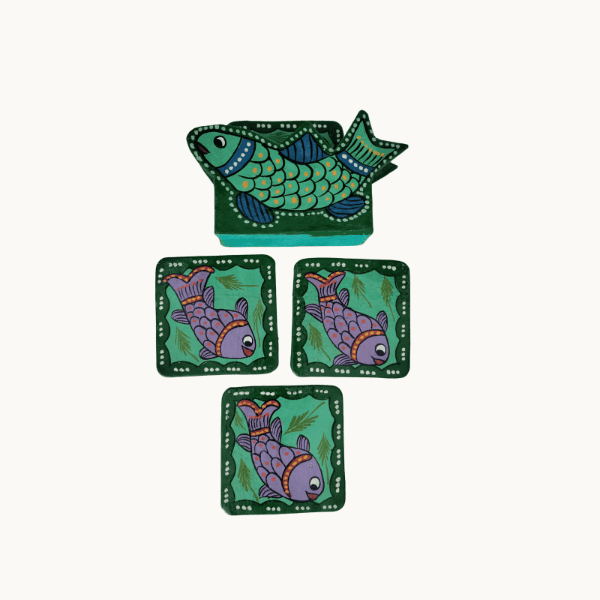
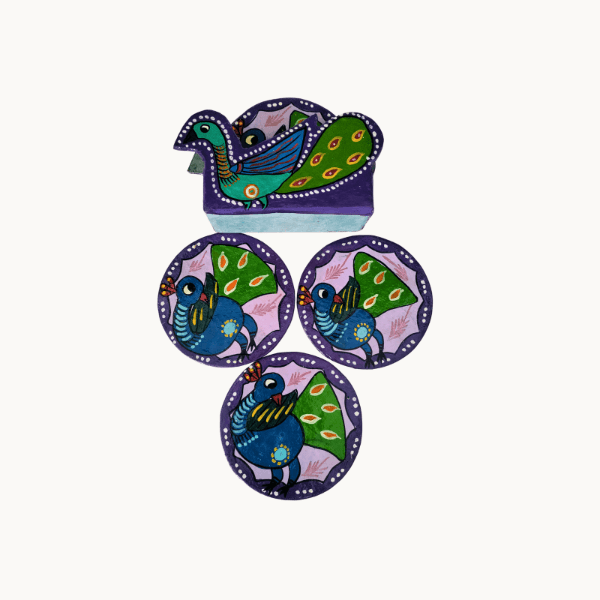
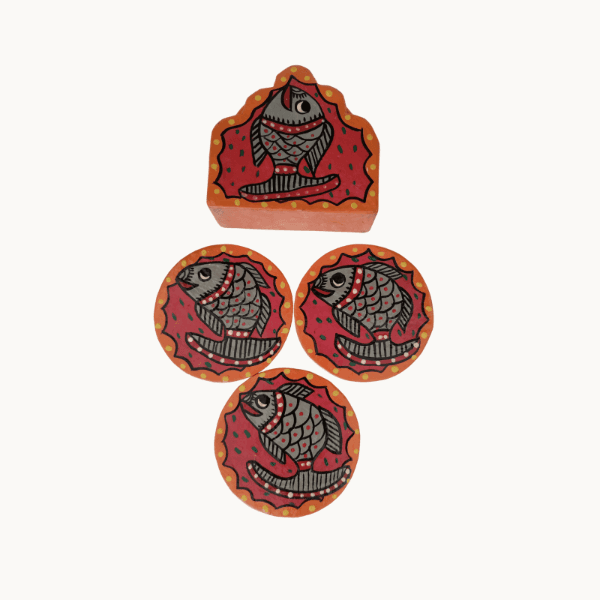
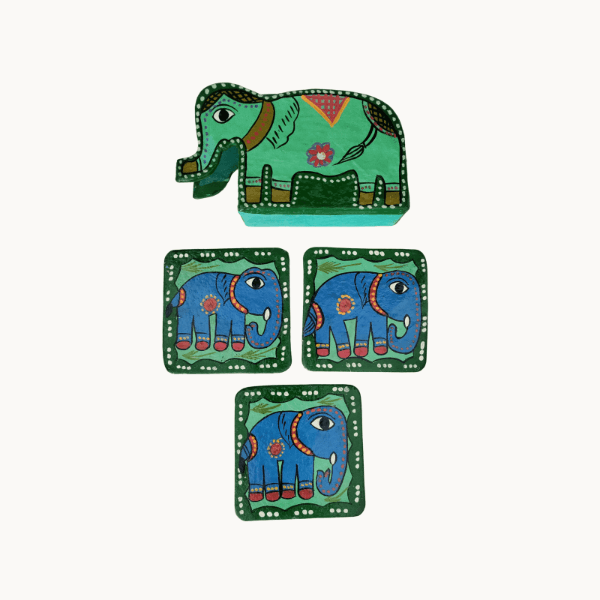
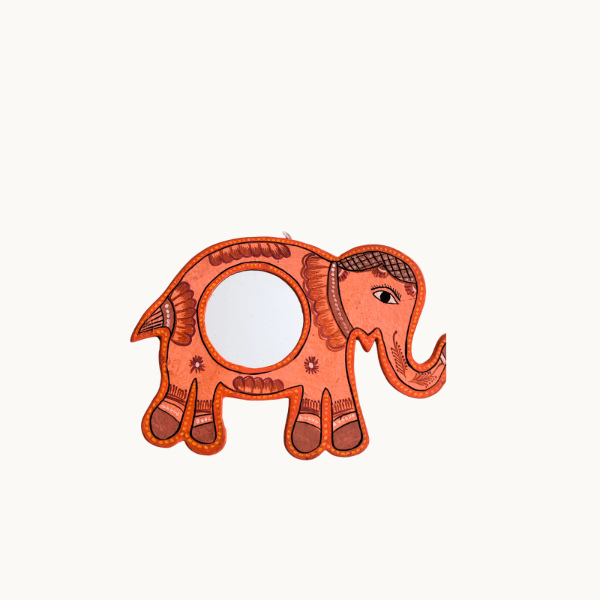
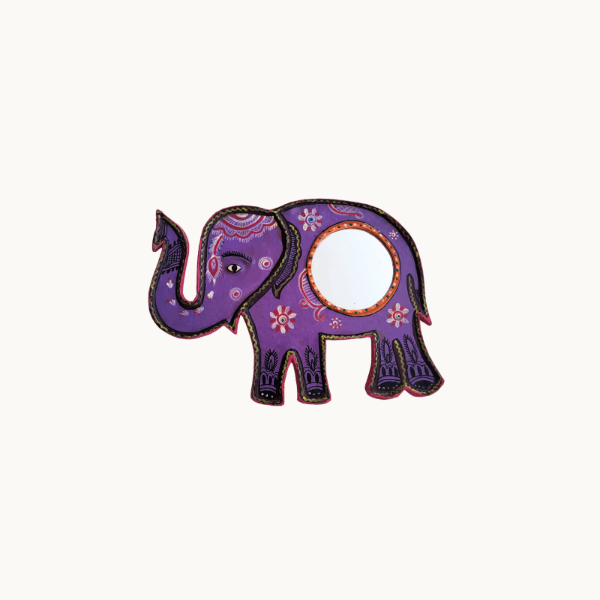
Mithila art, also known as madhubani art, is an ancient folk-painting tradition of the Mithila region spanning southern Nepal (Janakpur) and northern Bihar. For centuries, Maithil women have painted vivid scenes of gods, weddings, and nature on walls and floors of their homes during festivals — a living tradition that moved from mud walls to paper, cloth, ceramics, and leather without losing its vocabulary.
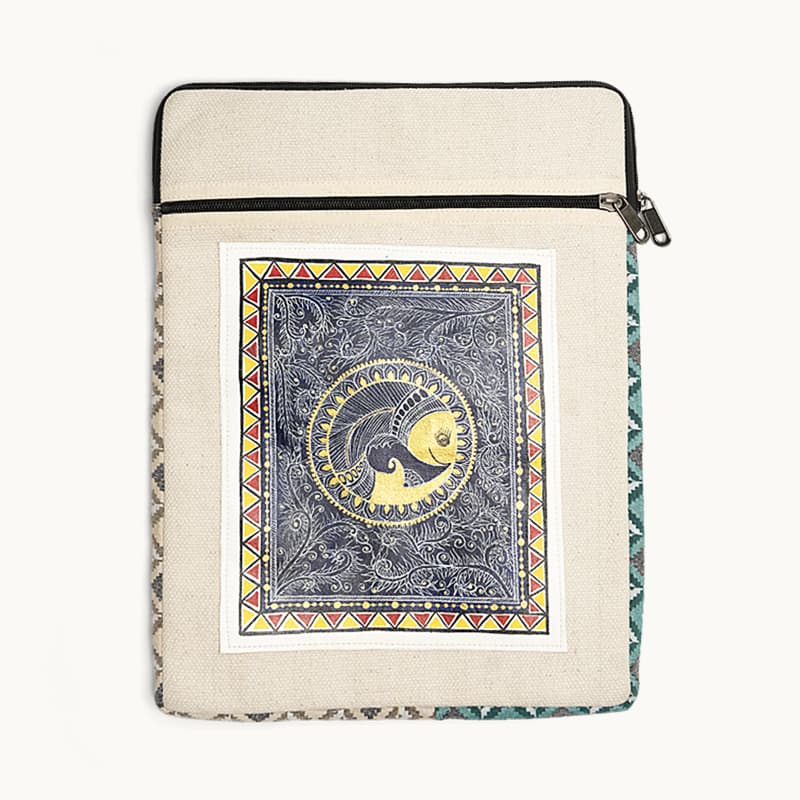
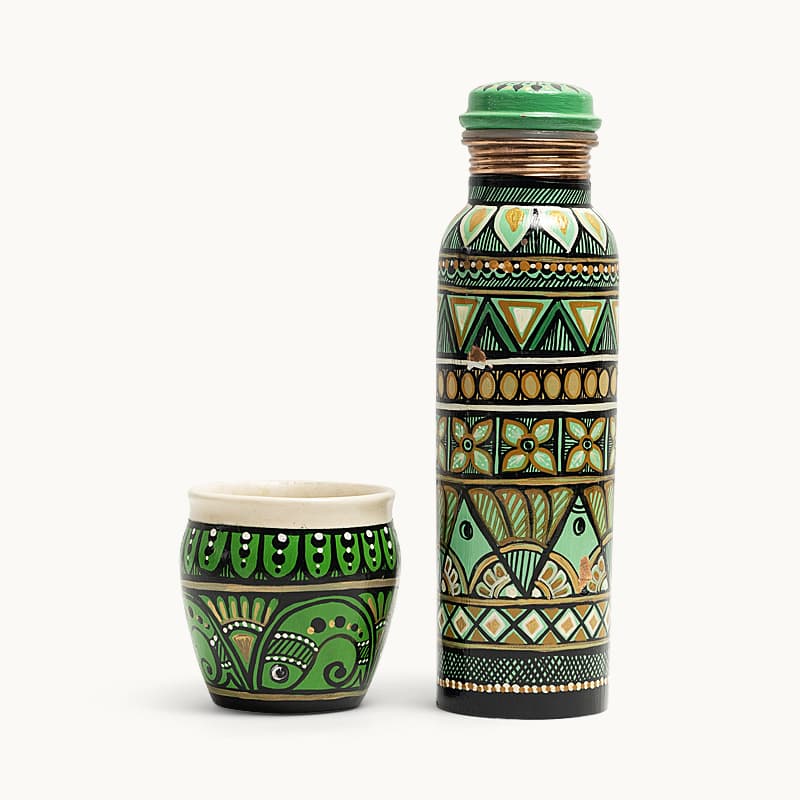
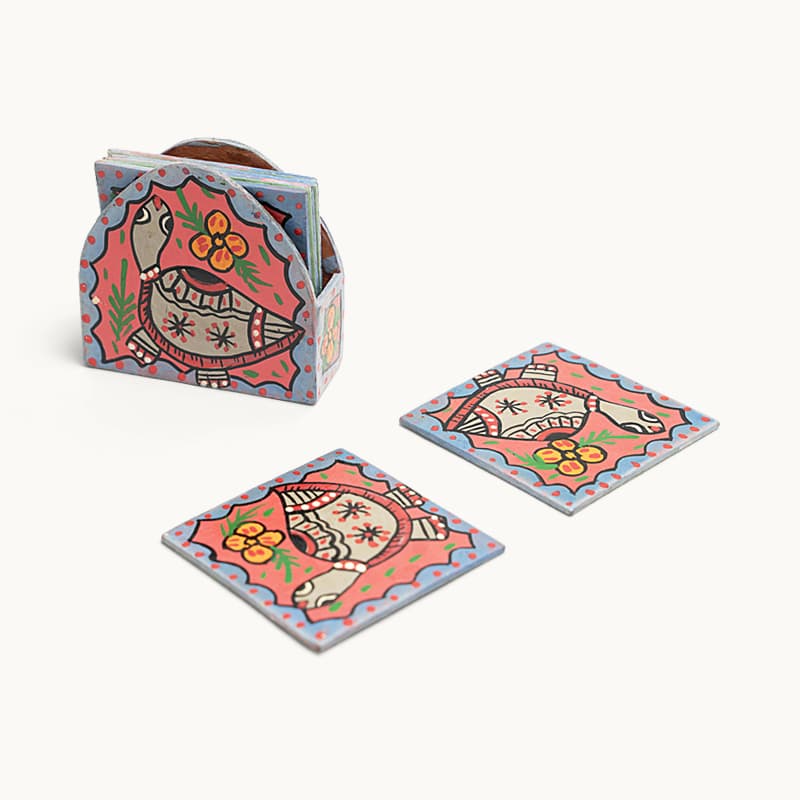
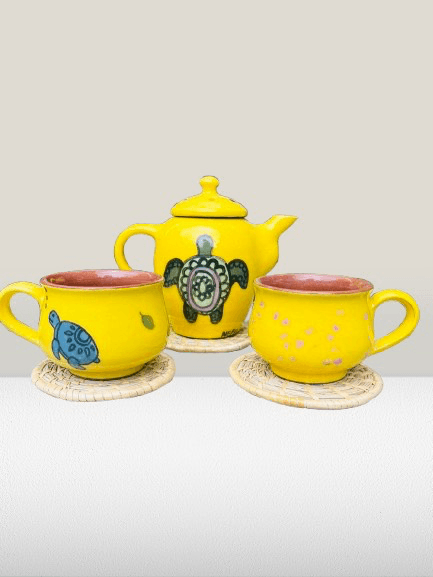
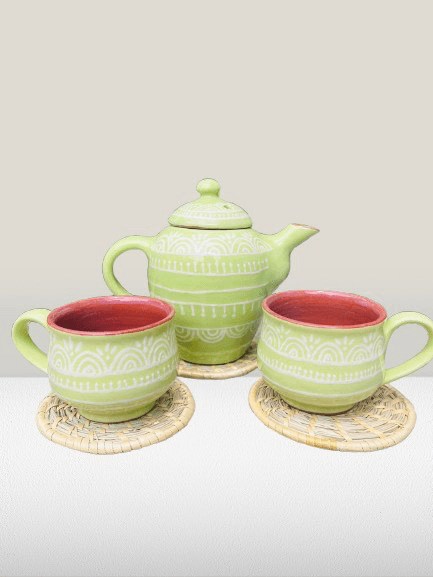
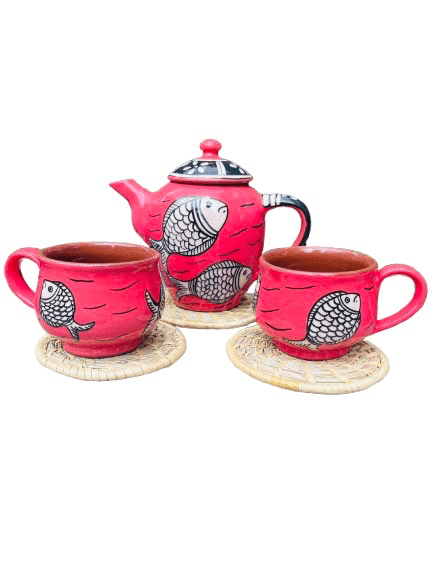
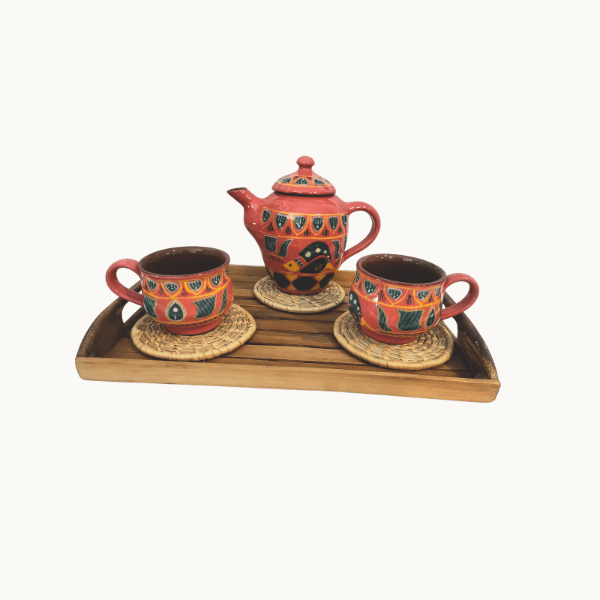
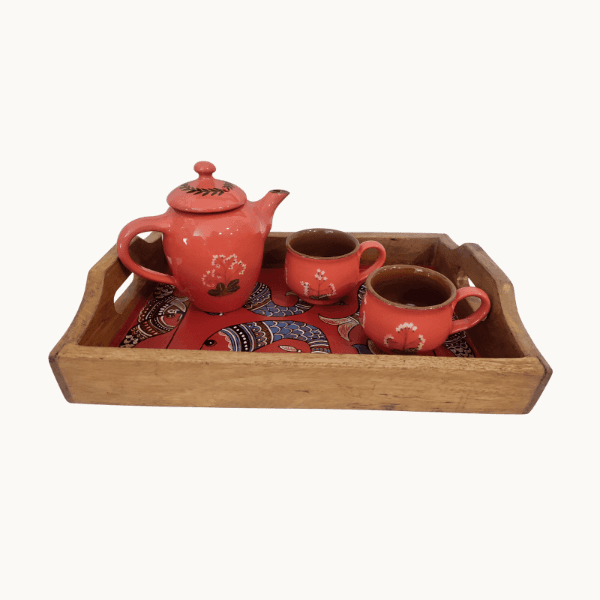
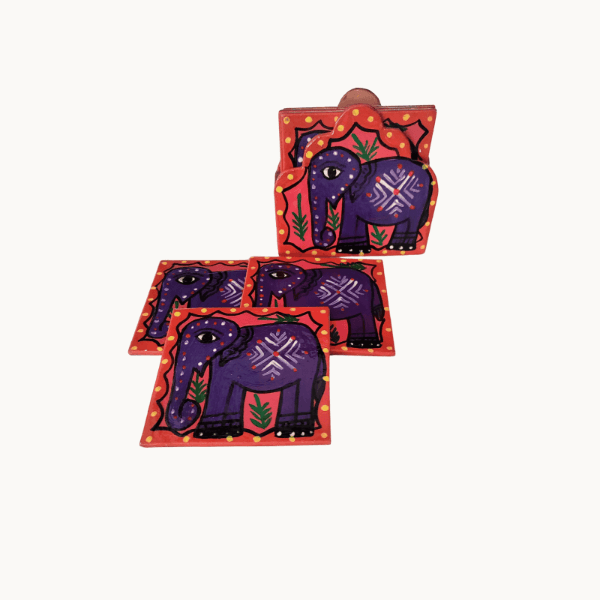
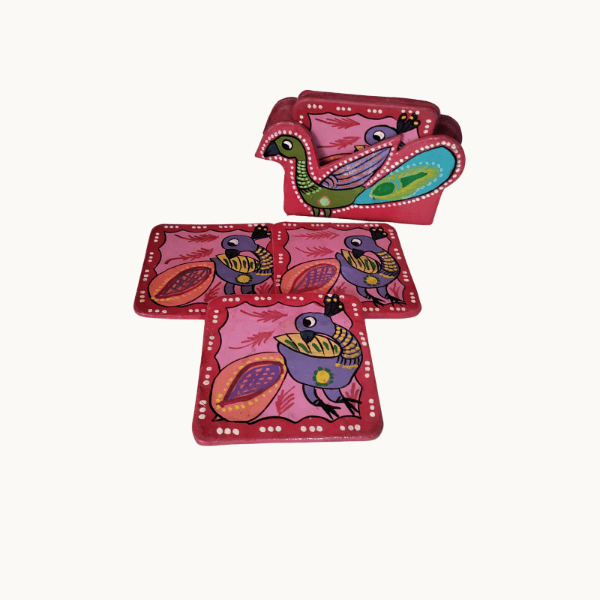
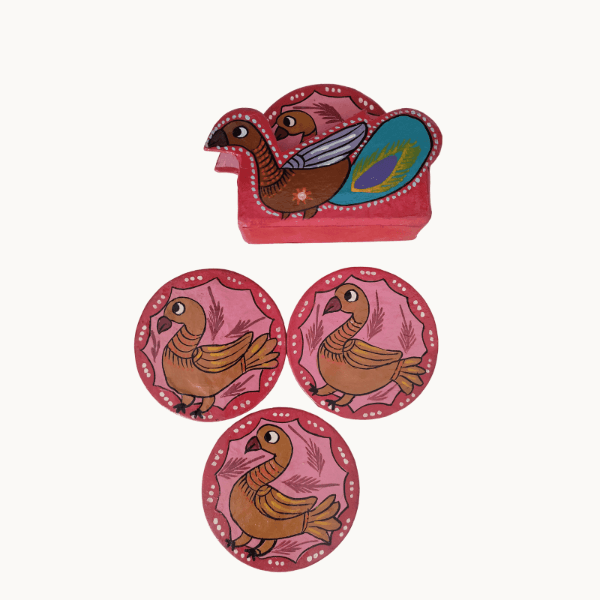
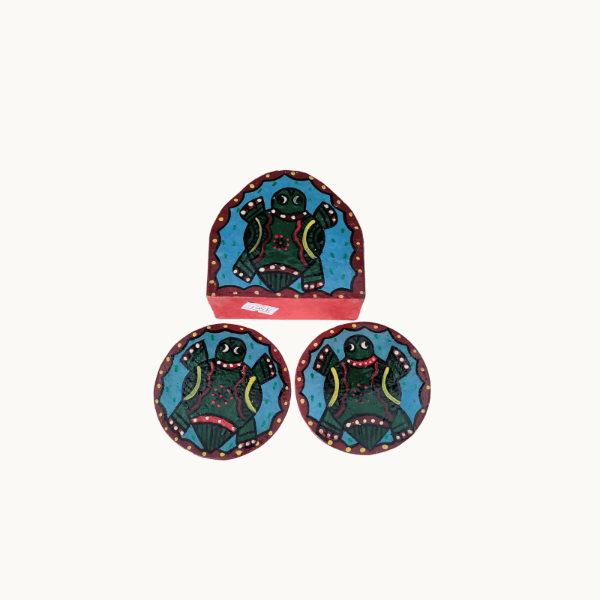
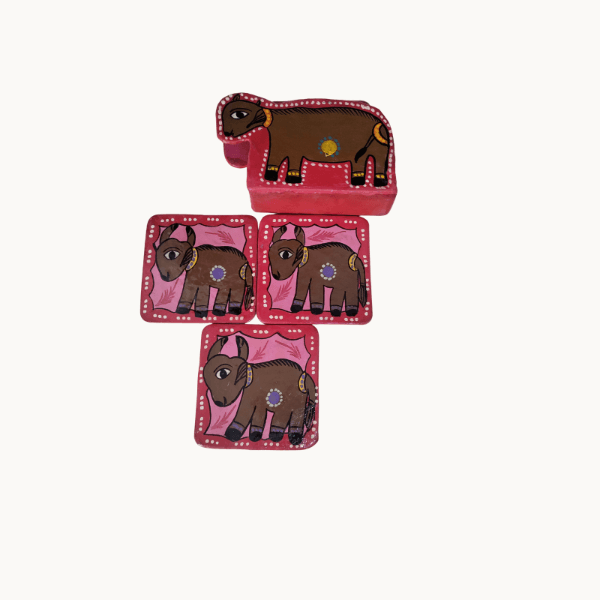
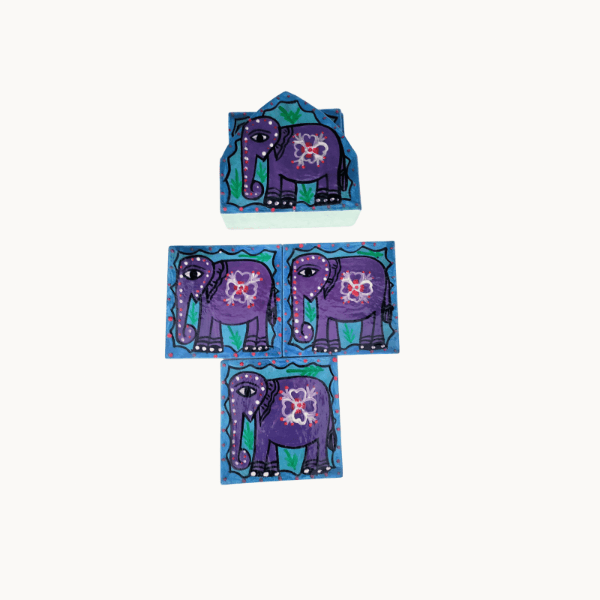
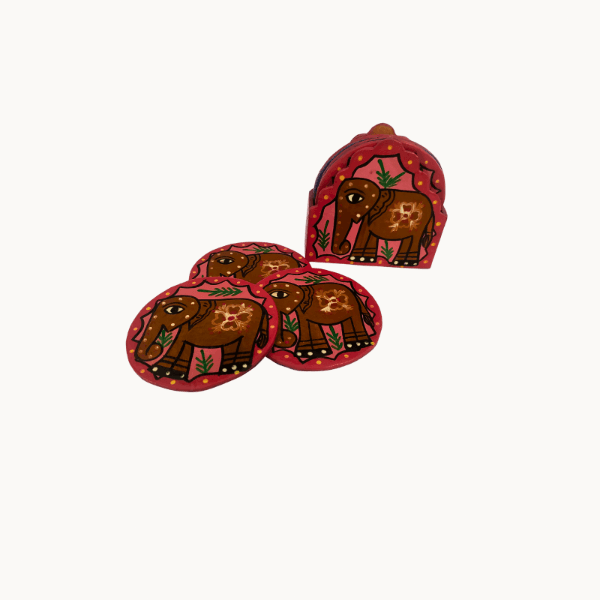
Avendi lists pieces directly from Kathmandu-based vendors who work with Janakpur artist cooperatives, so every coaster, cup set, laptop bag, and tray you see here is painted by hand, carrying the same geometrical patterns and symbolic motifs — peacocks for fertility, fish for prosperity, lotus for rebirth, the sun for life — that Maithil women have used for generations.
No two pieces are identical — each is painted freehand, in traditional natural dyes, using techniques passed between generations of Maithil women. The geometrical patterns and borders are drawn without stencils or printing plates.
Janakpur, Nepal is the cultural heartland of this art form. Avendi's vendors source directly from Janakpur artist cooperatives, not from mass-printed reproductions of madhubani painting.
The tradition is overwhelmingly painted by women. We pay direct, not through a chain of middlemen — which means more of what you pay reaches the artist who actually painted the piece.
The tradition of mithila art predates written record. Maithil women across the Mithila region — what is today southern Nepal and the northern Bihar district of Madhubani — have painted auspicious scenes on the walls and floors of their homes for weddings, festivals like Chhath and Diwali, and the birth of children. The name madhubani art comes from that Bihar district; in Nepal the same tradition is most often referred to as mithila art. Both names describe one continuous folk-painting culture that sits on either side of the modern border.
For most of its history the tradition was strictly domestic. Walls of a newly-built home would be prepared with a wash of cow dung and clay, then painted with a layer of rice paste and pigment to produce the smooth surface that receives the detailed line work. Women passed the visual language down mother-to-daughter, with specific motifs reserved for specific festivals and specific rooms. The paintings were never signed and were never meant to last — the next festival brought a fresh layer.
The shift from wall to portable surface began in the 1960s and 1970s, after earthquake relief programs and rural development projects encouraged Maithil artists to paint on paper so the work could be sold. That is the form most outsiders first encounter. Avendi's Janakpur-based vendors carry that transition forward: the same visual grammar is now painted onto ceramic cups, cotton purses, leather laptop bags, and glass bottles, so the tradition keeps moving with the artists who practise it.
Traditional mithila art uses natural dyes rather than commercial paints. Red comes from kusum flower or sandalwood; yellow from turmeric mixed with milk and lime; green from leaves; black from soot or burnt jawar combined with cow dung binder; blue from indigo. Brushes are improvised from twigs, cotton wrapped around bamboo sticks, or, for the finest detail, a single match-stick dipped into pigment. Contemporary pieces on paper and cloth sometimes use acrylic for durability, but Janakpur cooperative work still largely keeps to plant-derived pigments.
The line work has a recognisable vocabulary. Figures are drawn flat and frontal, with almond-shaped eyes that fill the face. Borders are built from small repeated geometrical patterns — zig-zags, cross-hatching, rows of fish scales, chains of dots. Every empty area gets filled, because in the tradition empty space is considered unlucky. That is why a finished mithila piece looks so dense: every inch of canvas carries either a subject, a symbol, or a decorative border.
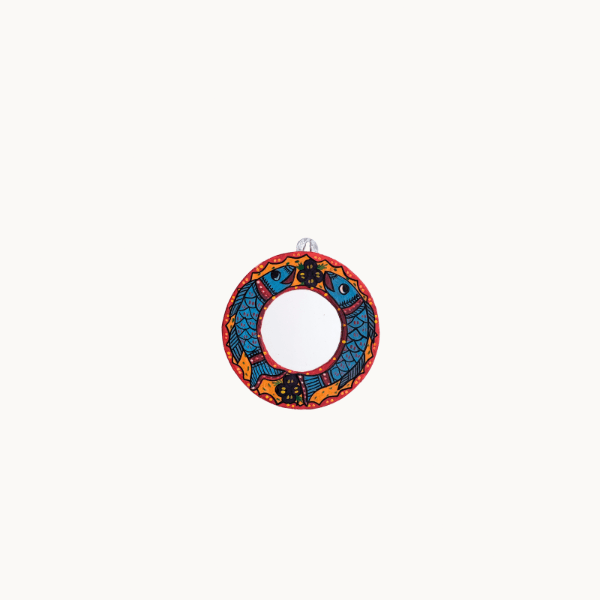
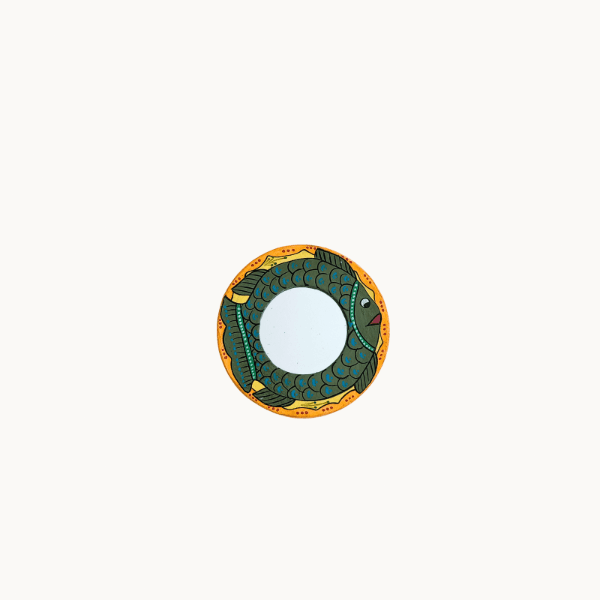
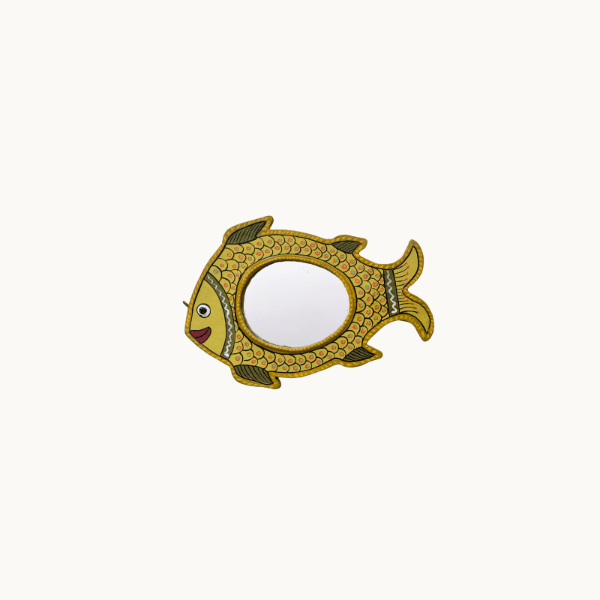
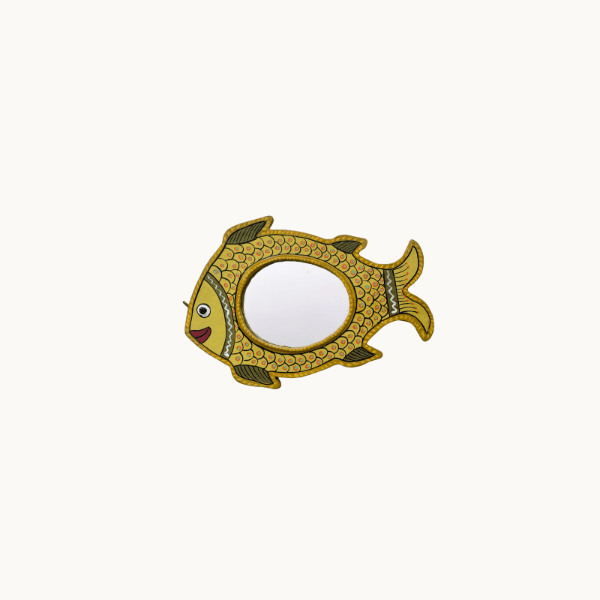
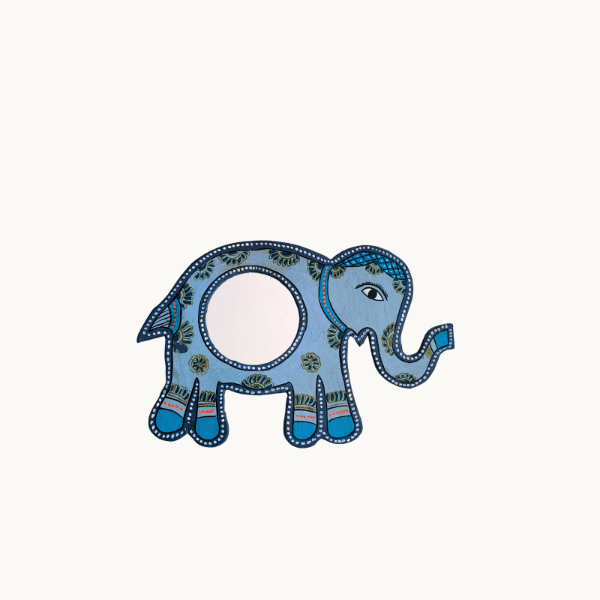
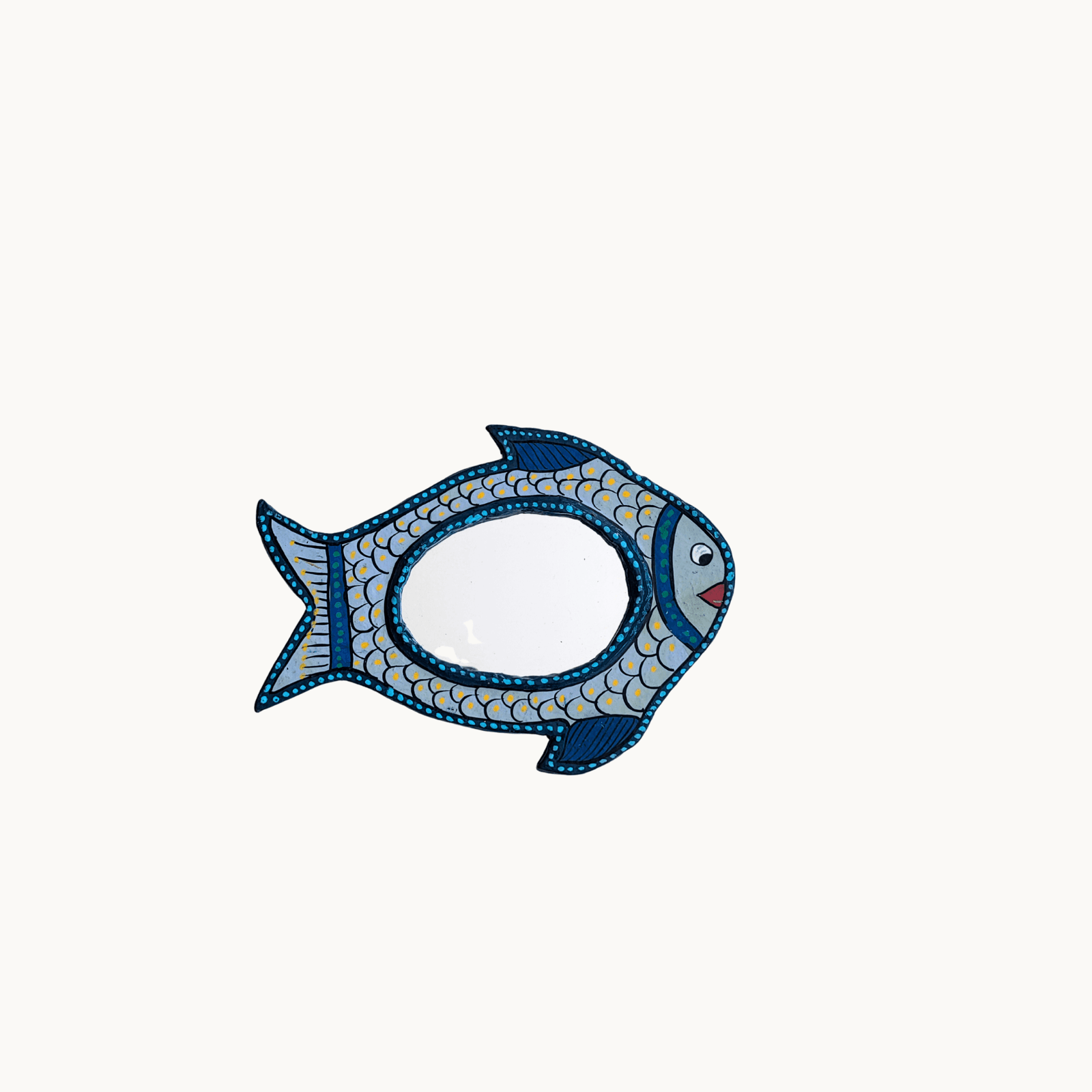
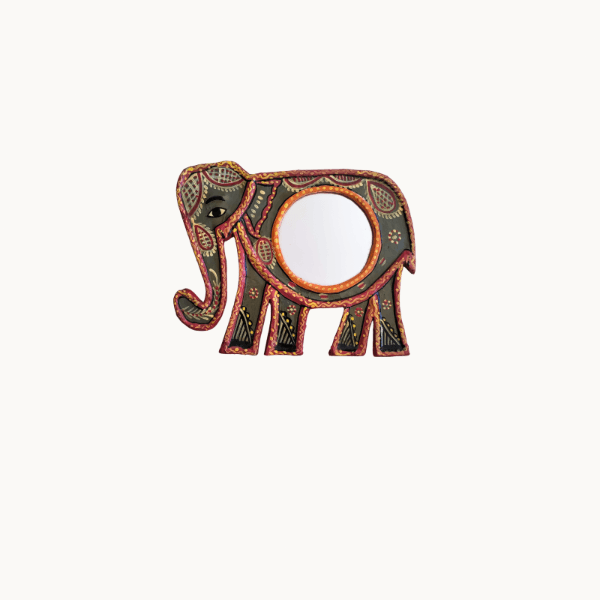
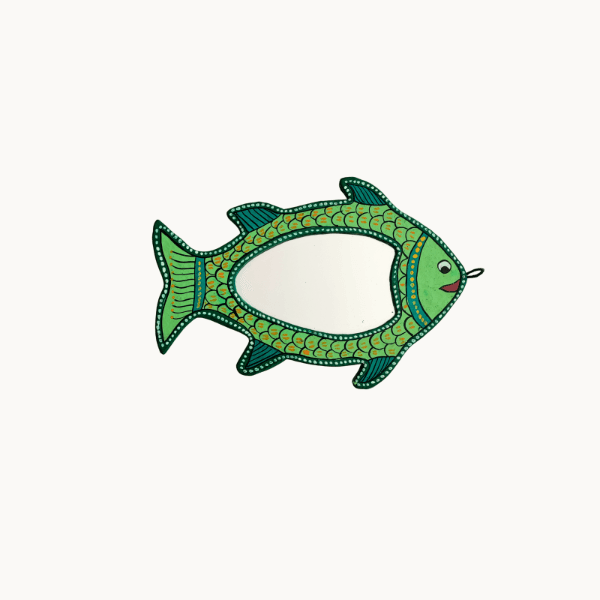
The symbolic vocabulary is what makes the tradition worth learning, not just looking at. Peacocks represent fertility and marital devotion. Fish — always drawn in pairs or shoals — stand for prosperity and abundance and are painted prominently on pieces given as wedding gifts. The sun and moon, often shown as faces, represent life and cosmic balance. The lotus is spiritual rebirth. Elephants and turtles carry auspicious blessings. Trees of life connect the heavens and the earth. Even the borders have meaning: a row of birds indicates freedom, a chain of diamonds means wealth.
People buy mithila art for two reasons. The first is that it is one of the few living folk traditions where the artist is still working: you are buying a piece made this month, not a replica of something in a museum. The second is that each piece carries a specific wish. A fish-patterned coaster is not just a coaster; it is a wish for prosperity in the home it enters. That is why Janakpur cooperatives still paint fish onto wedding gifts and peacocks onto cradles — the meaning is as much a part of the object as the geometrical patterns on its border.
Yes — they refer to the same tradition. "Mithila" is the name of the cultural region; "Madhubani" is the name of a specific district in Bihar. In Nepal the art is most often called Mithila art, and Janakpur is its cultural heart.
Every piece in our catalogue is hand-painted in Nepal, most often in Janakpur and the surrounding Mithila districts, by working Maithil women artists or small cooperatives. We buy directly from Nepali vendors who pay the artists a transparent share of the sale.
Keep paintings out of direct sunlight to preserve the pigments. For printed ceramics and textiles, hand-wash with mild soap — no scrubbing on painted surfaces. Treat these as artisanal pieces, not mass-produced ceramics.
Not yet through the website, but if you have a specific motif or size in mind reach out to Avendi support and we'll check availability with our Janakpur vendor network.