Lokta paper is made from the inner bark of the Nepalese daphne shrub — a Himalayan plant that regenerates in 4–6 years when harvested above a cut line, so the traditional collection method is sustainable by design. The bark is boiled, beaten, screened onto frames, and sun-dried, producing a paper that is famously strong, slightly textured, and essentially acid-free. Monks in the Kathmandu valley have used lokta paper for sacred manuscripts since at least the 12th century, and some of those originals are still readable today.
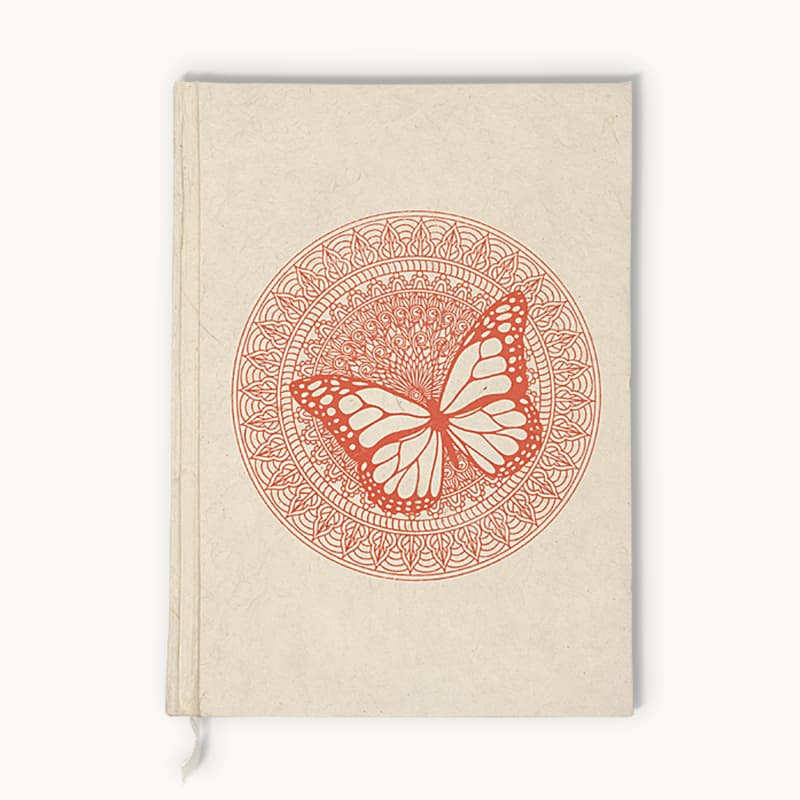
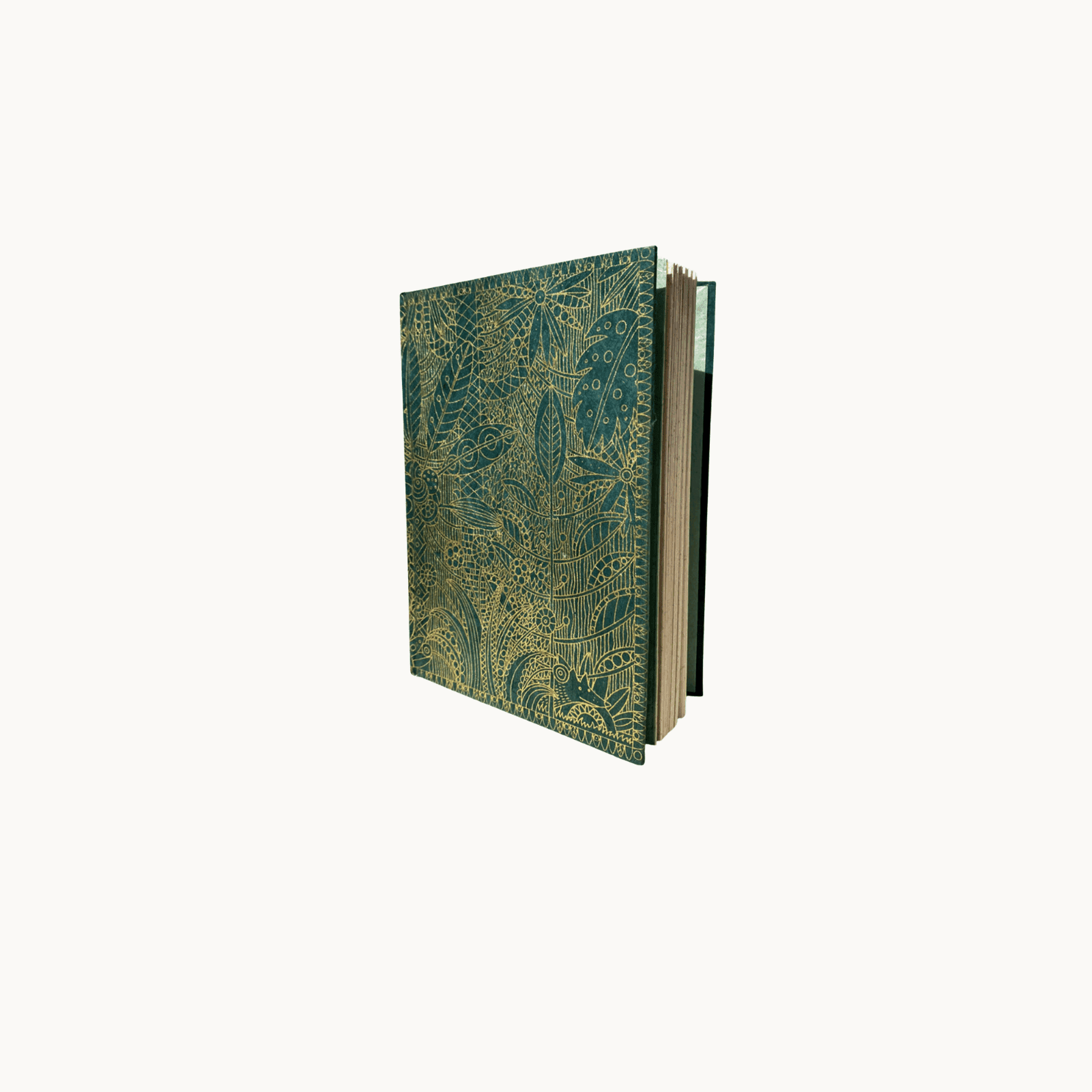
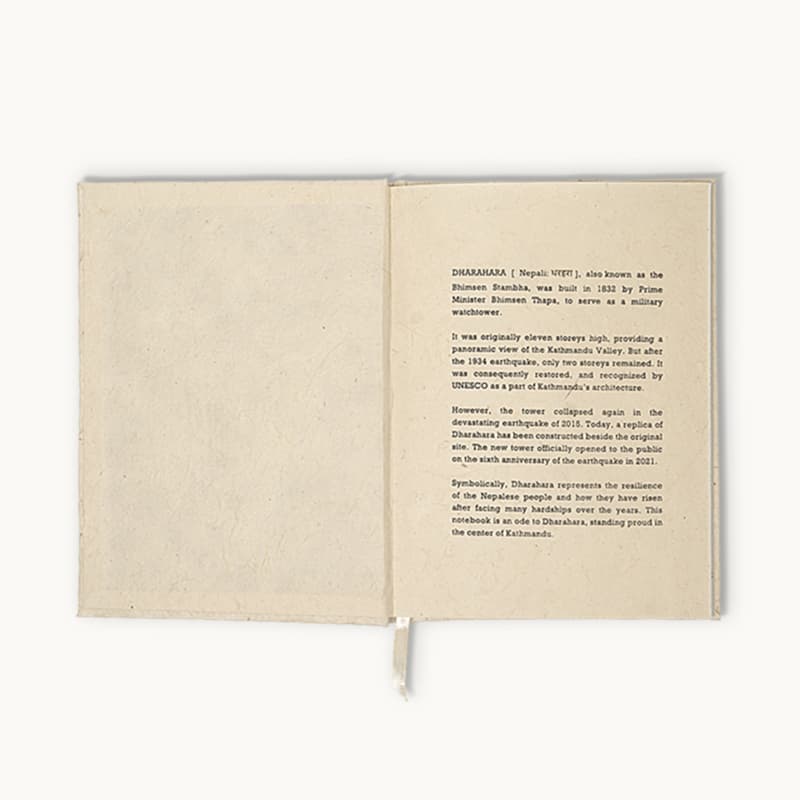
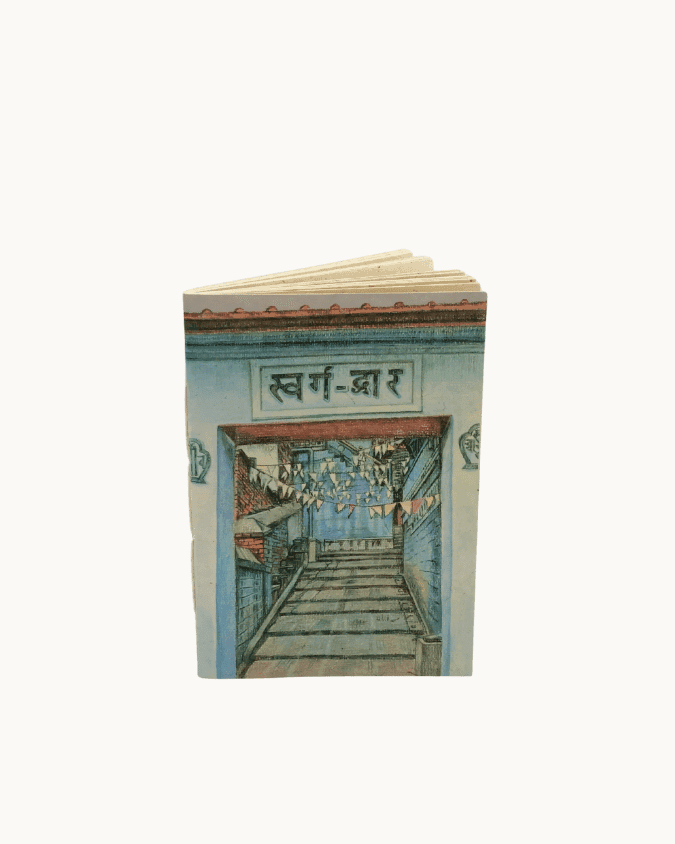
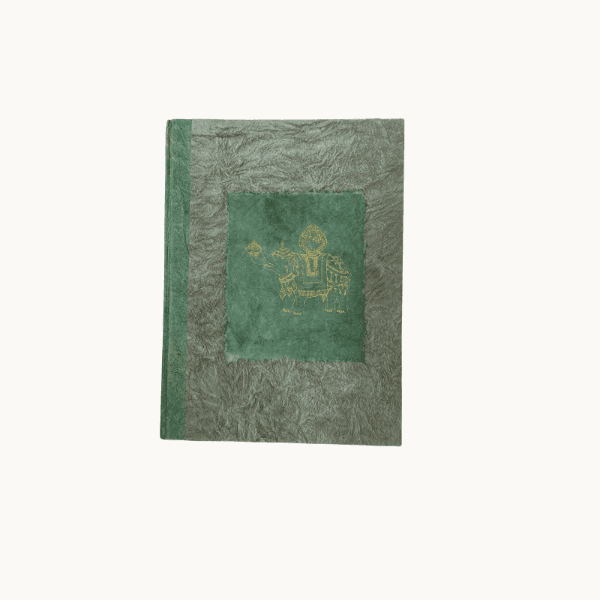
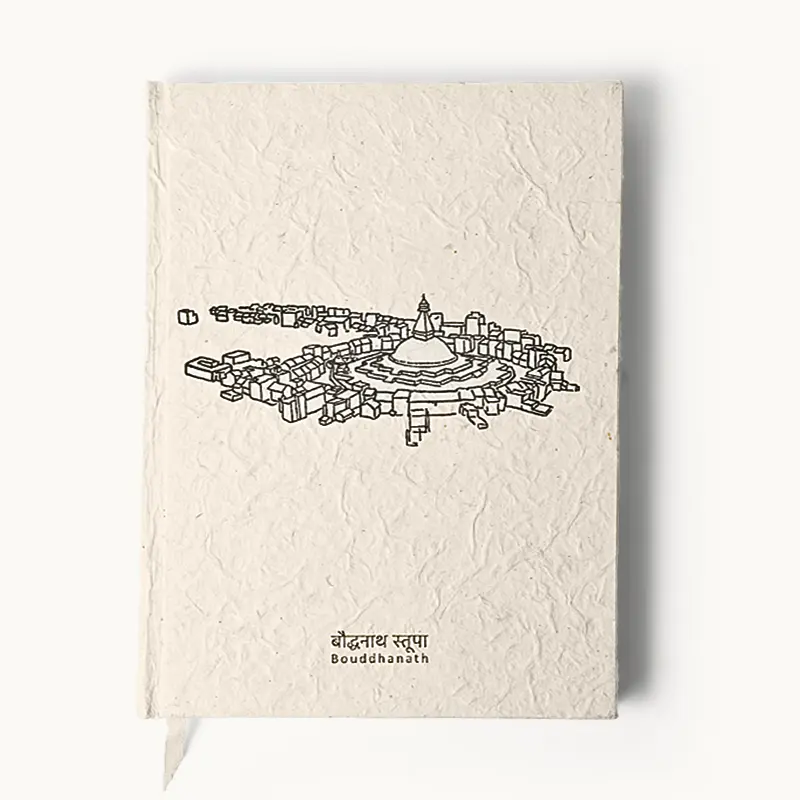
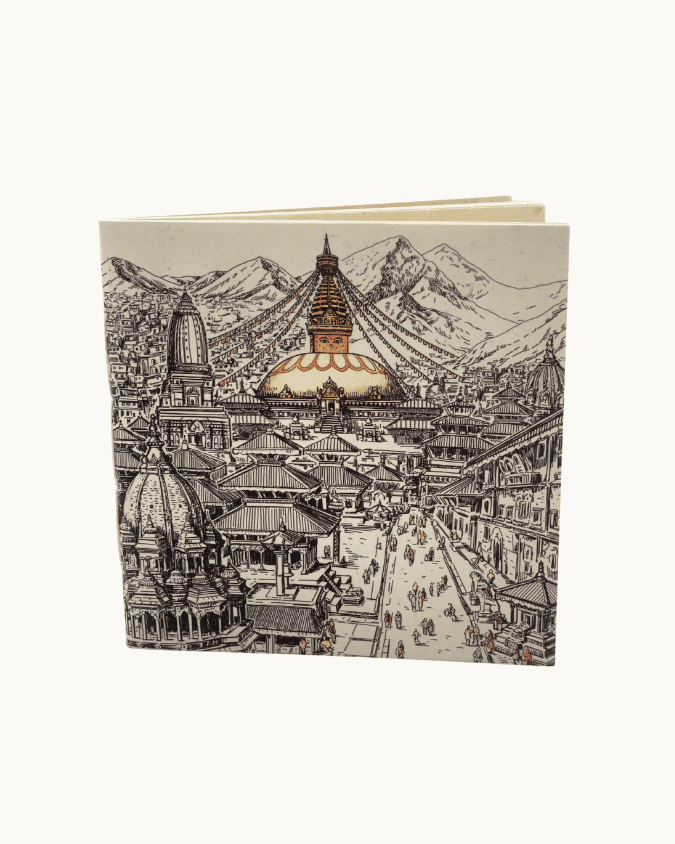
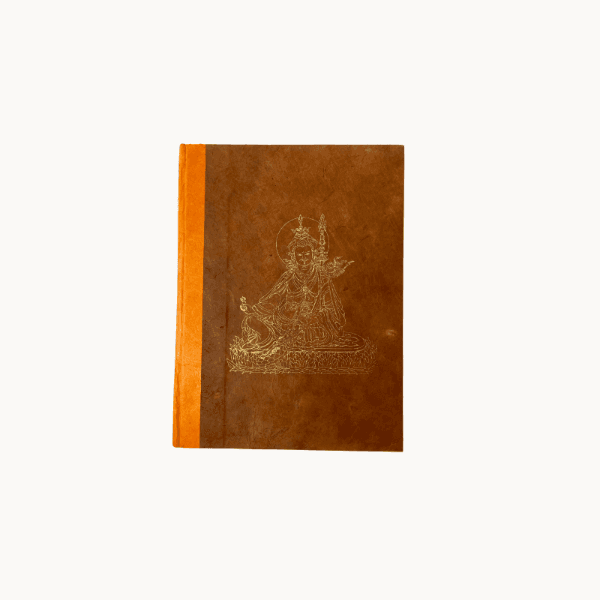
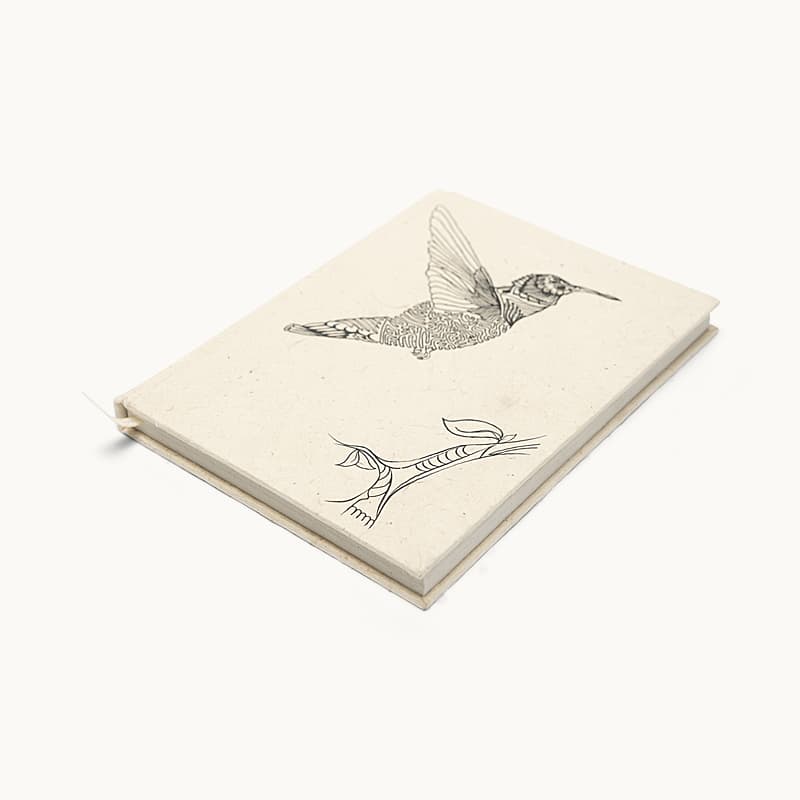
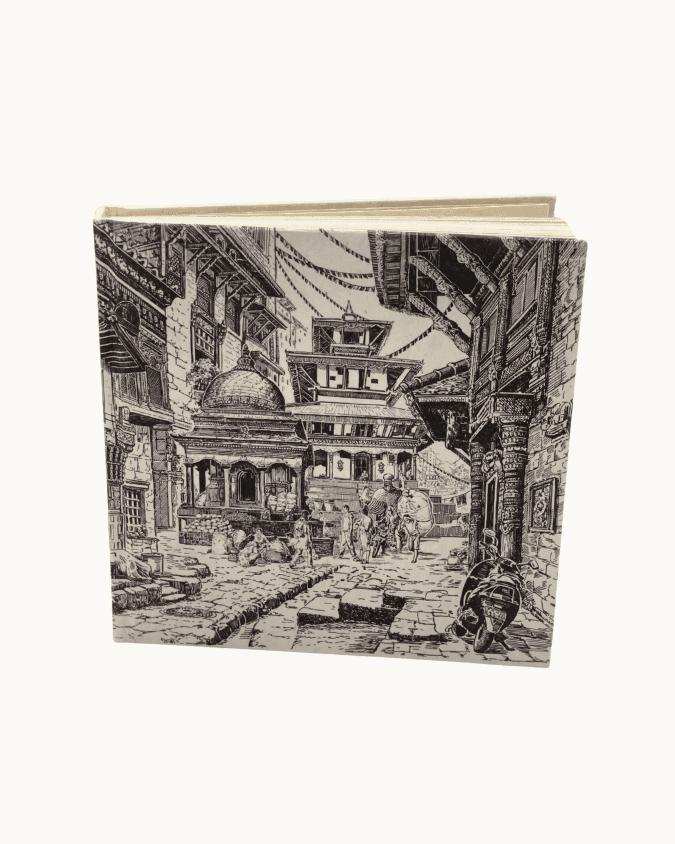
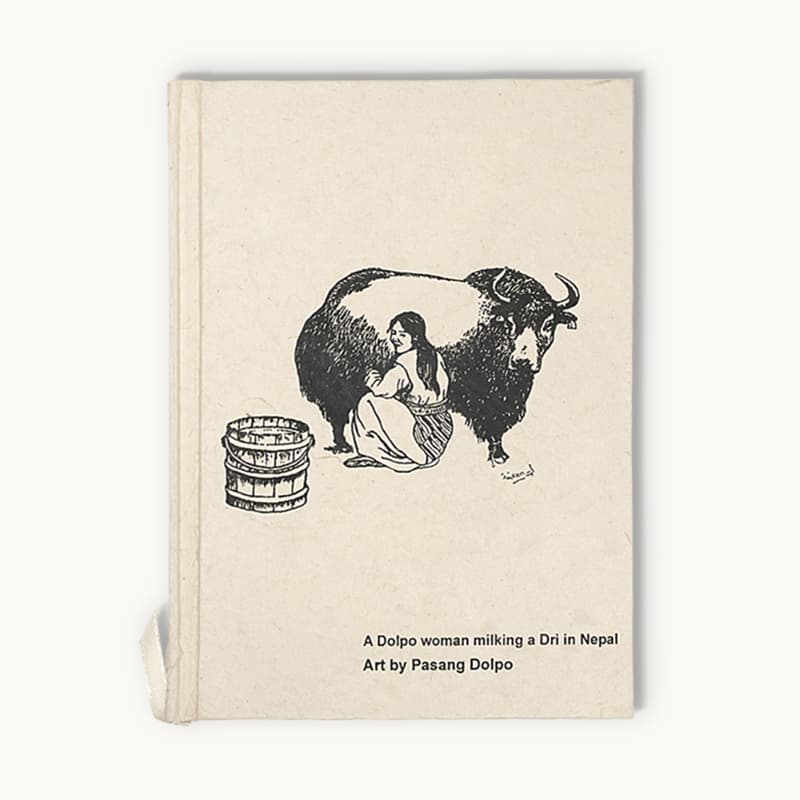
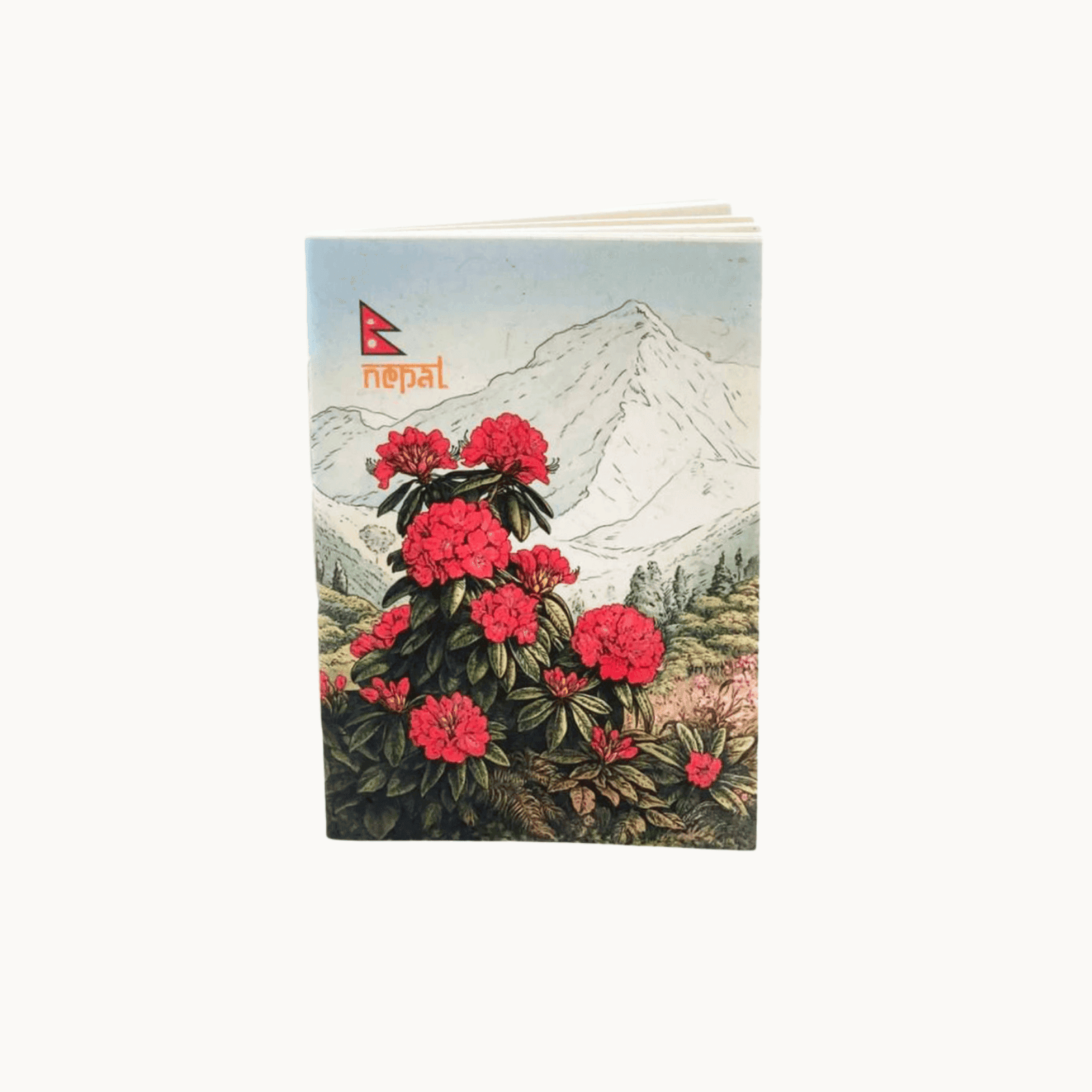
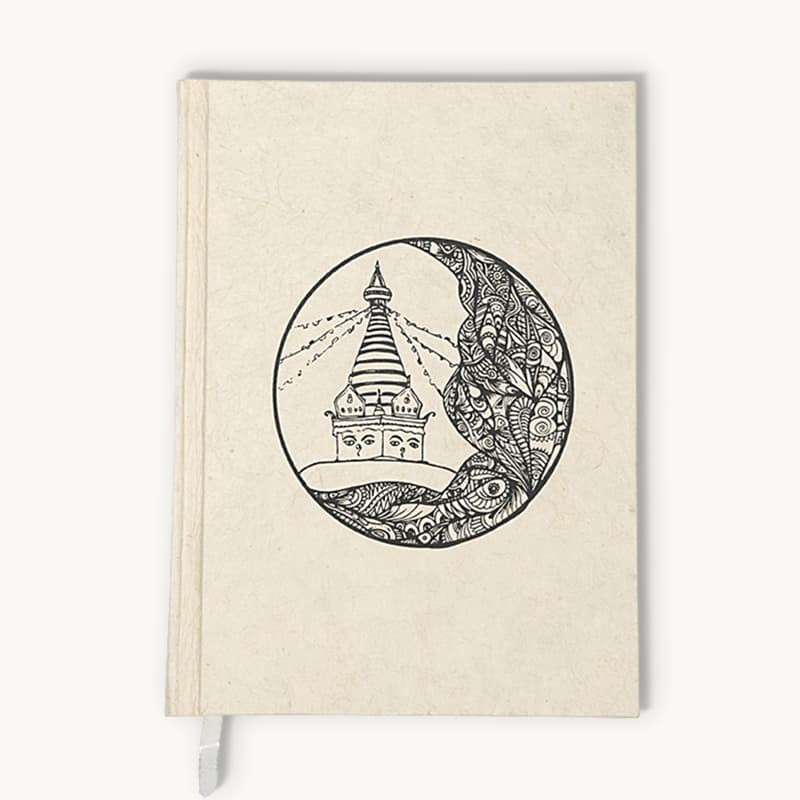
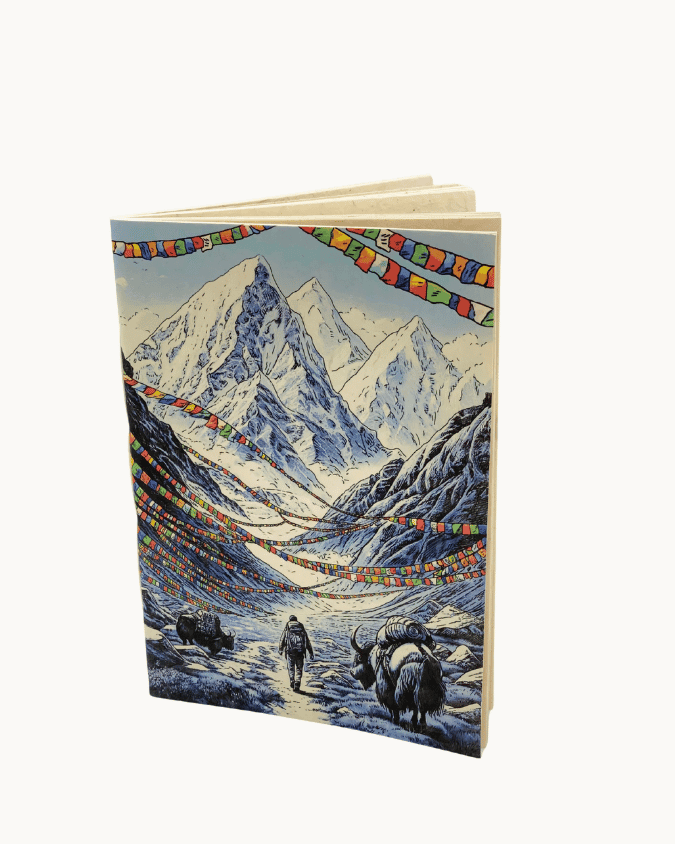
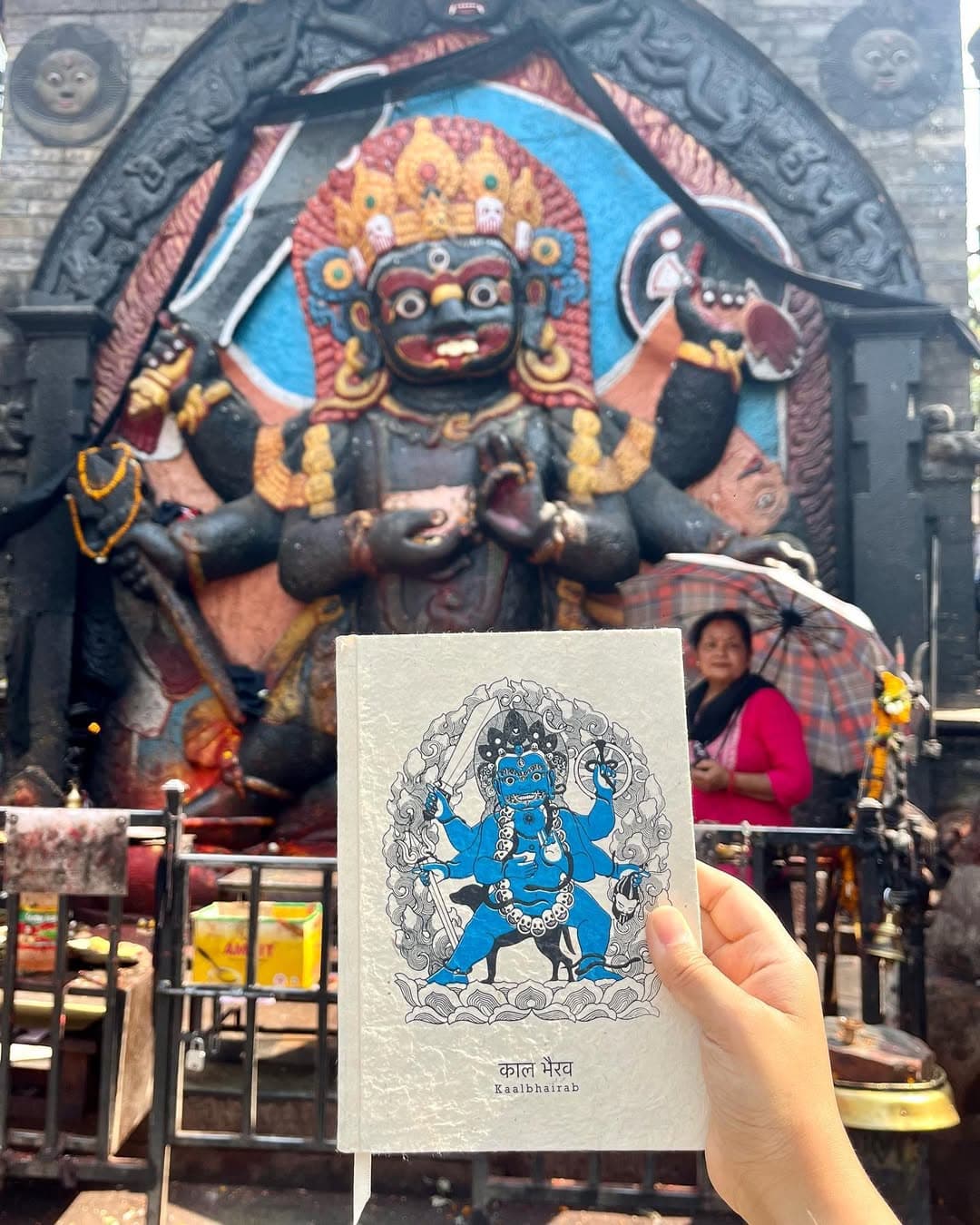
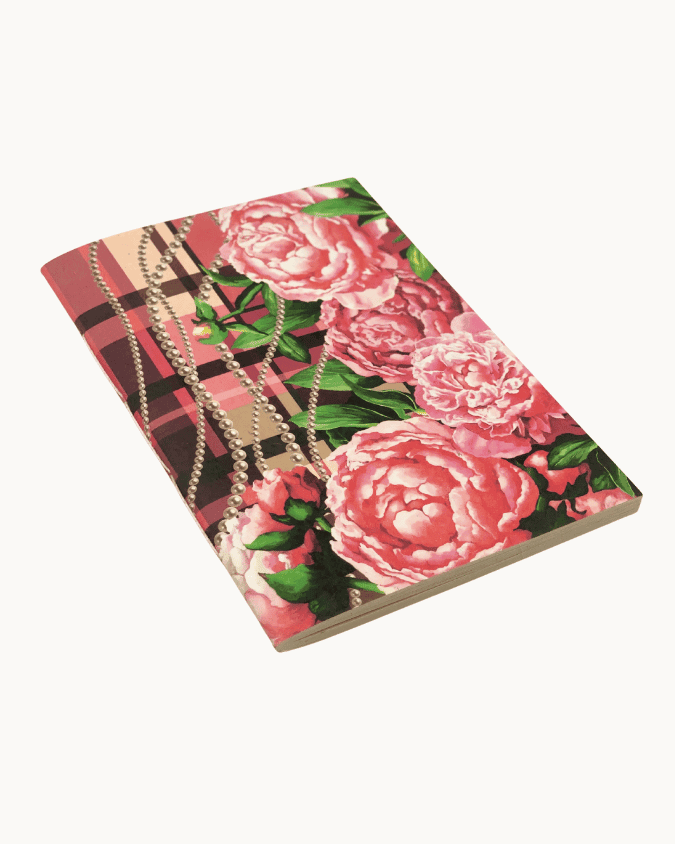
This page collects lokta-paper products Avendi carries in Kathmandu: Jamarko's handmade recycled-blend notebooks with heritage-site illustrations (Dharahara, Boudhanath, Yak), Aja Dynasty's designer lokta notebooks (Magical Garden, Kathmandu Spirit, Old Patan, Peonies & Pearls), and Tibetan Handicraft Emporium's lokta journal notebooks and lokta incense boxes.
The daphne plant regenerates fully in 4–6 years when bark is cut above the regrowth line. No trees are felled — the harvesting method is centuries older than the word 'sustainable'.
Lokta paper is essentially acid-free, which is why Buddhist manuscripts from the 1200s are still readable today. A lokta-paper notebook bought now will outlast any wood-pulp equivalent.
Every sheet is boiled, beaten, screened, and sun-dried by hand in village-scale workshops — mostly in the mid-hill districts around Ilam, Bhojpur, Taplejung, and Solukhumbu. The texture you feel in the paper is the tool marks of that process.
It's made from the inner bark of Daphne bholua and Daphne papyracea — shrubs that grow wild at 1,600–4,000 metres across the Nepali mid-hills and alpine zones. The bark is stripped above a cut line that leaves the plant to regenerate, boiled in lye, beaten into pulp, screened onto wooden frames, and sun-dried. No trees are felled in the process.
Yes — lokta paper takes fountain-pen ink cleanly, with minimal feathering or bleed-through because the fibres are long and the surface is slightly sized. It accepts watercolour, ink-wash, and dip-pen work well too. Pencil leaves a softer, more textured line than on machine-made paper.
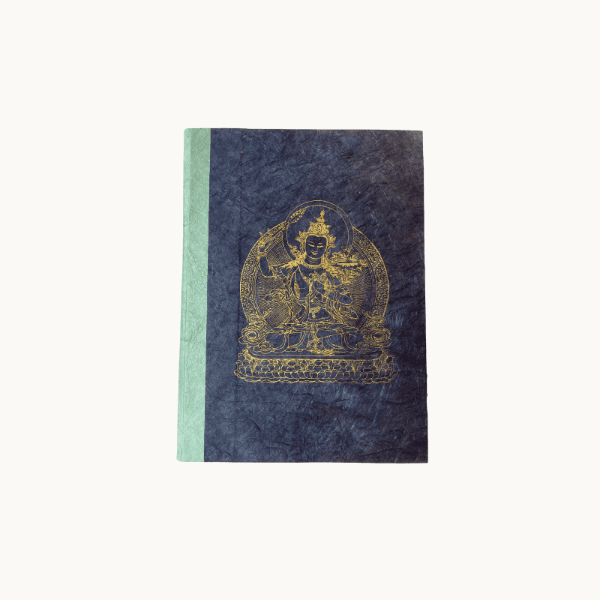
Jamarko's Sampada range uses Nepali heritage-site illustrations (Dharahara, Boudhanath, butterflies, yak, birds) and a recycled-blend interior. Aja Dynasty's lokta notebooks are designer-illustrated — Magical Garden, Kathmandu Spirit, Old Patan, Peonies & Pearls. Tibetan Handicraft Emporium's lokta journals come in plain colours (Midnight Blue, Sage Green, Golden Grove) and are aimed at longer-form writing.
Yes — Tibetan Handicraft Emporium's lokta incense boxes are handmade from the same lokta paper, wrapped and stiffened so the box holds shape. Each box includes organic Himalayan incense; the box itself is reusable.
Lokta paper is among the strongest handmade papers available — stronger than most machine-made writing papers of similar weight. The bindings on Jamarko and Aja Dynasty books are stitched or case-bound, not glued, so they tolerate being tossed in a daypack. Covers are laminated card on most SKUs.