Pashmina Shawls in Kathmandu — Authentic Himalayan Cashmere
Pashmina is a fine wool combed from the soft underbelly down of the Himalayan Chyangra goat (Capra hircus), which lives at altitudes above 4,000 metres. The fibre is finer than human hair — typically 12 to 15 microns — which is why a real pashmina shawl can pass through a wedding ring and still keep you warm in a Himalayan winter.
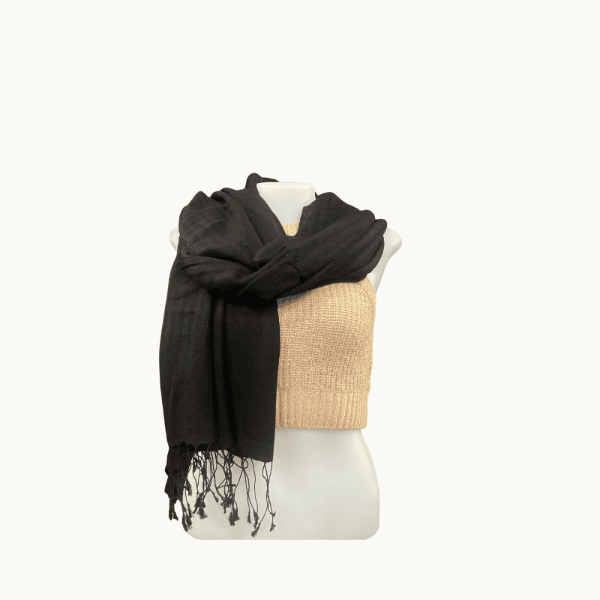
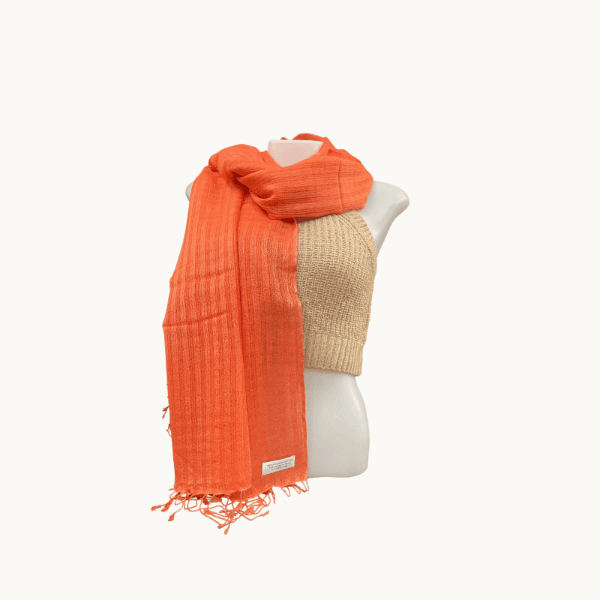
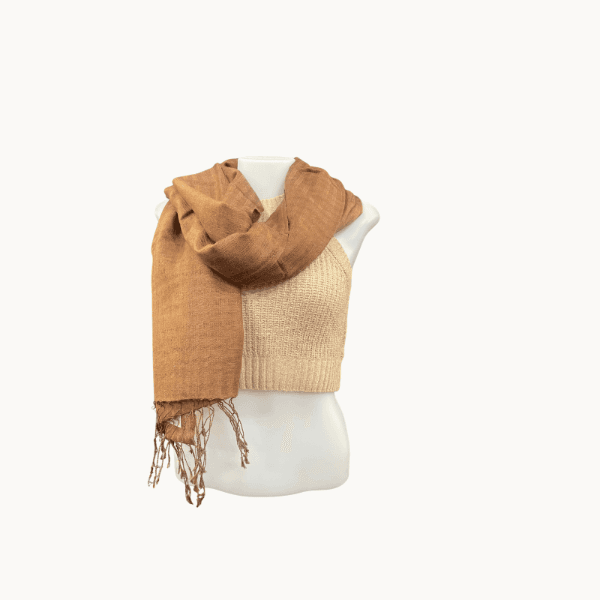
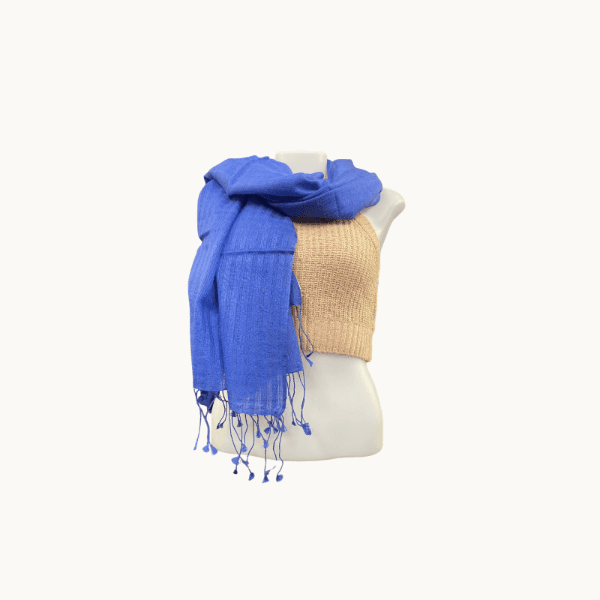
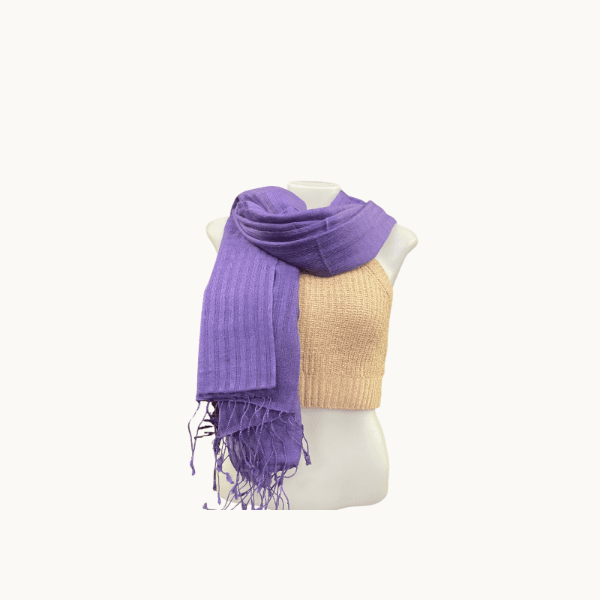
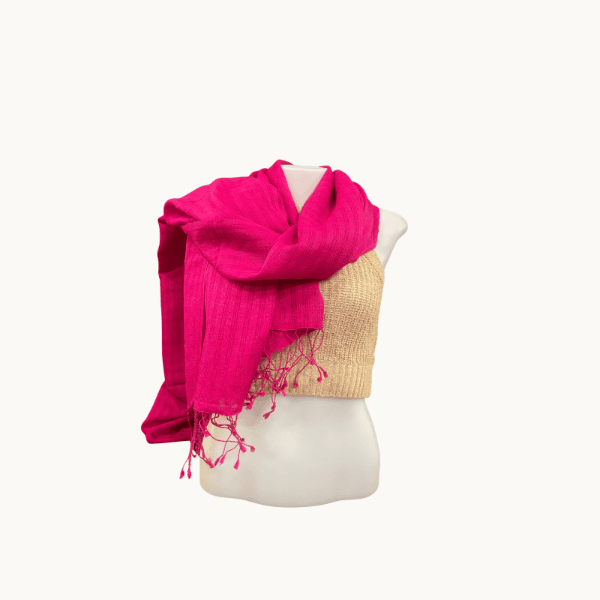
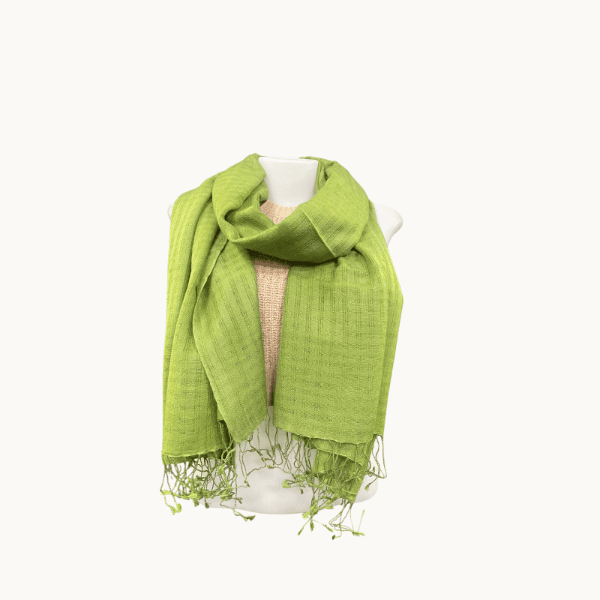
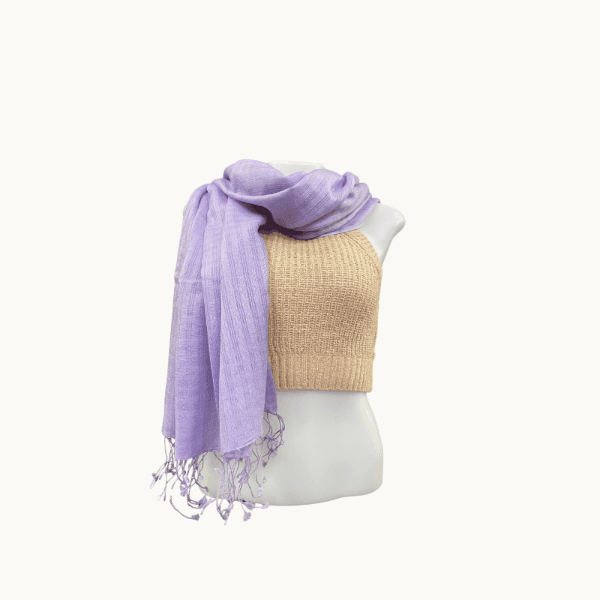
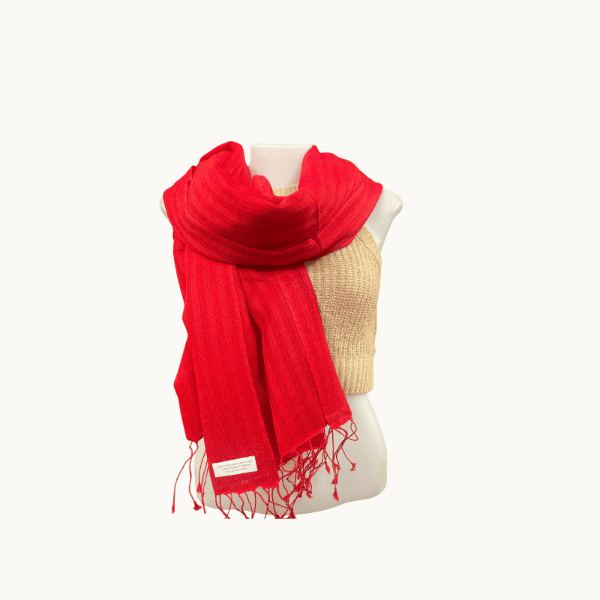
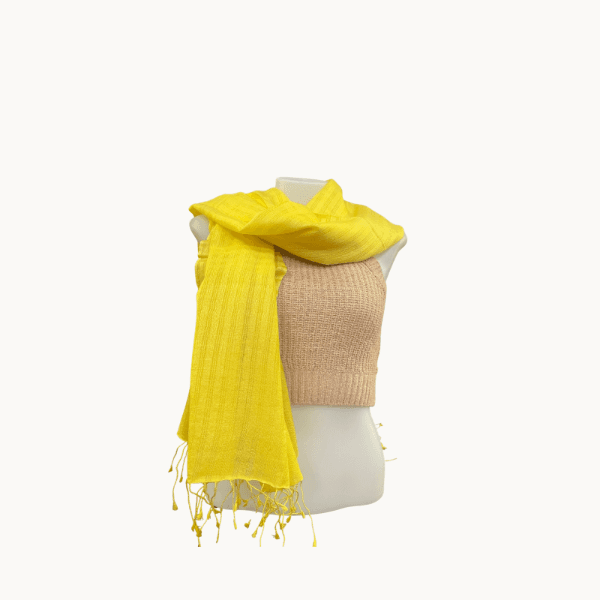
Avendi lists pashmina shawls and cashmere scarves directly from Kathmandu-based artisan vendors, including Tibetan-refugee weaving cooperatives that have practised this craft in the Kathmandu Valley for generations. Every piece on this page is handwoven from authentic Himalayan cashmere, not the polyester-blend "pashmina" sold in tourist markets.
Shop pashmina in Kathmandu
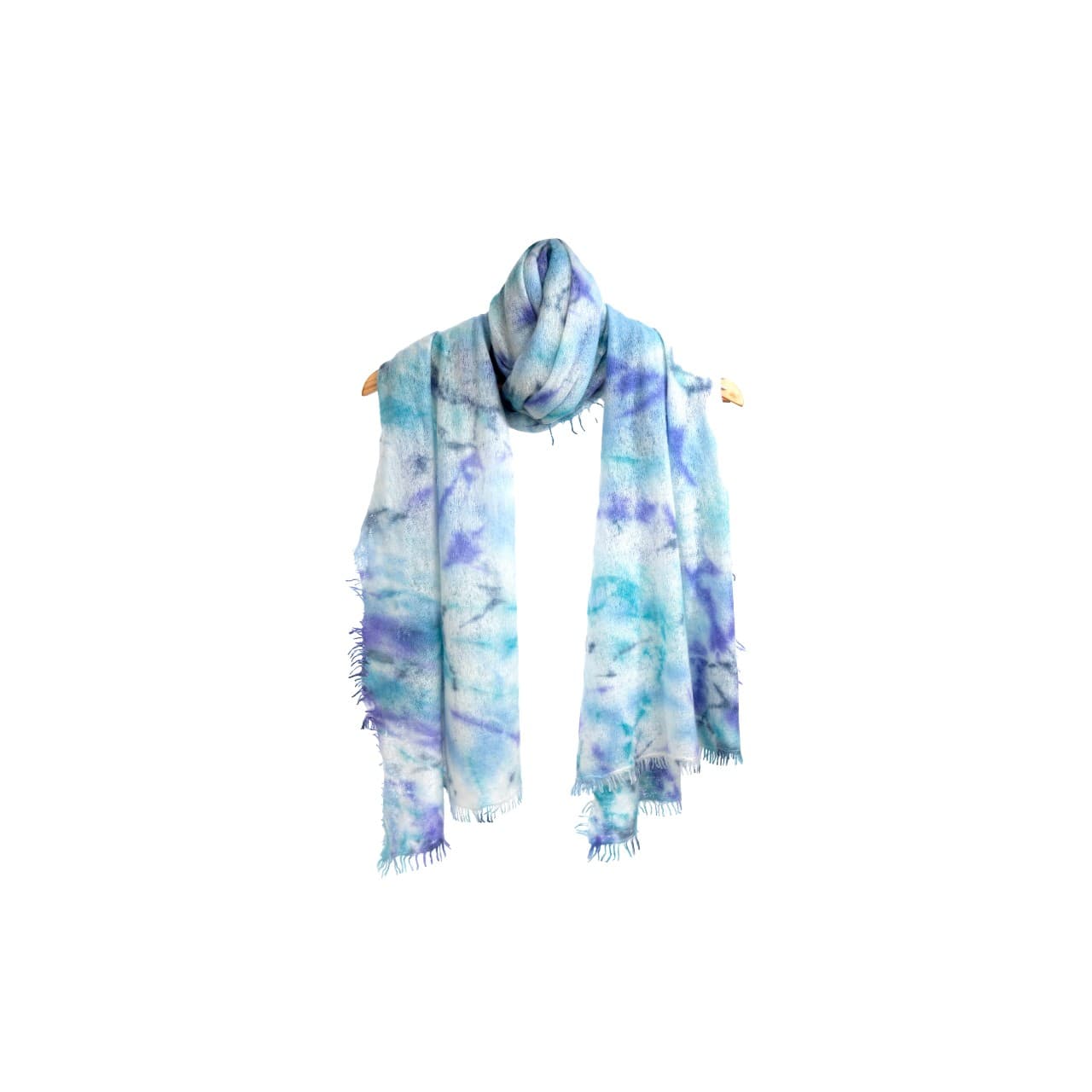
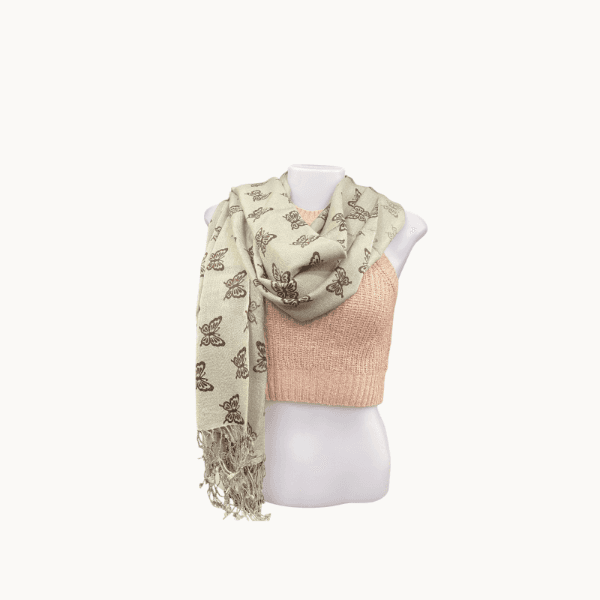
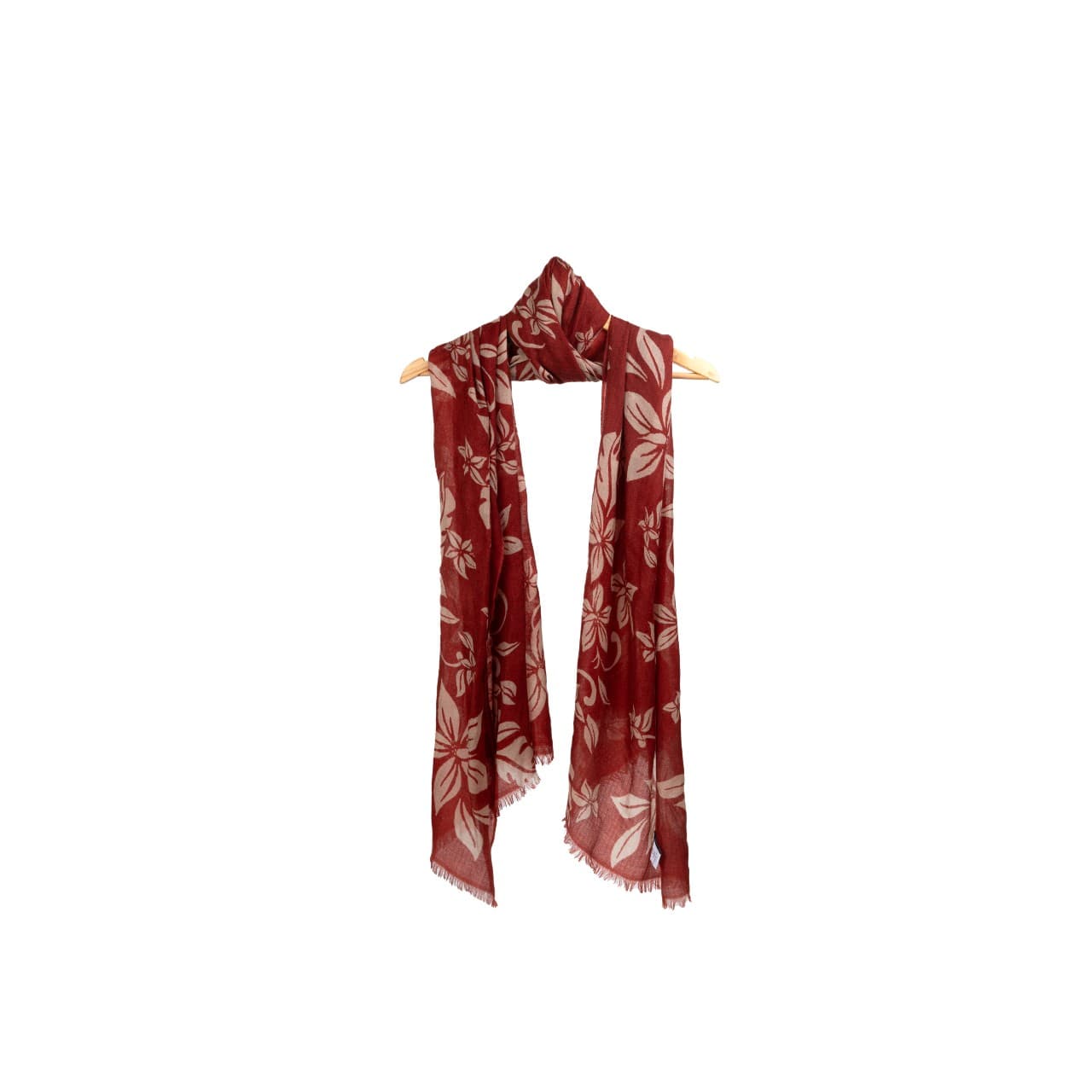
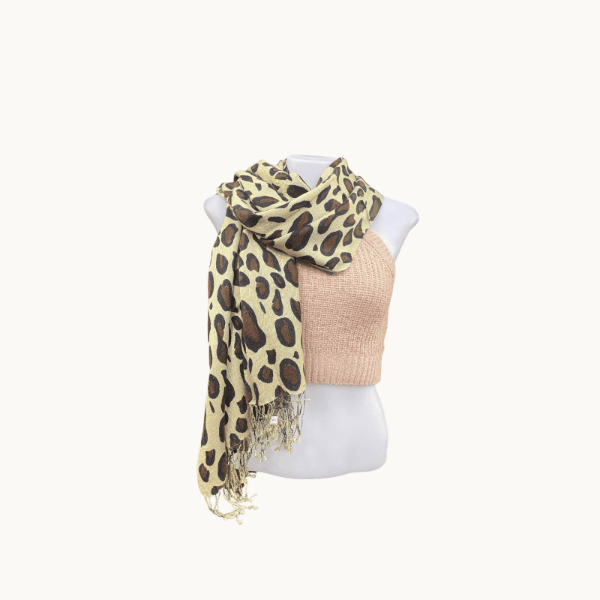
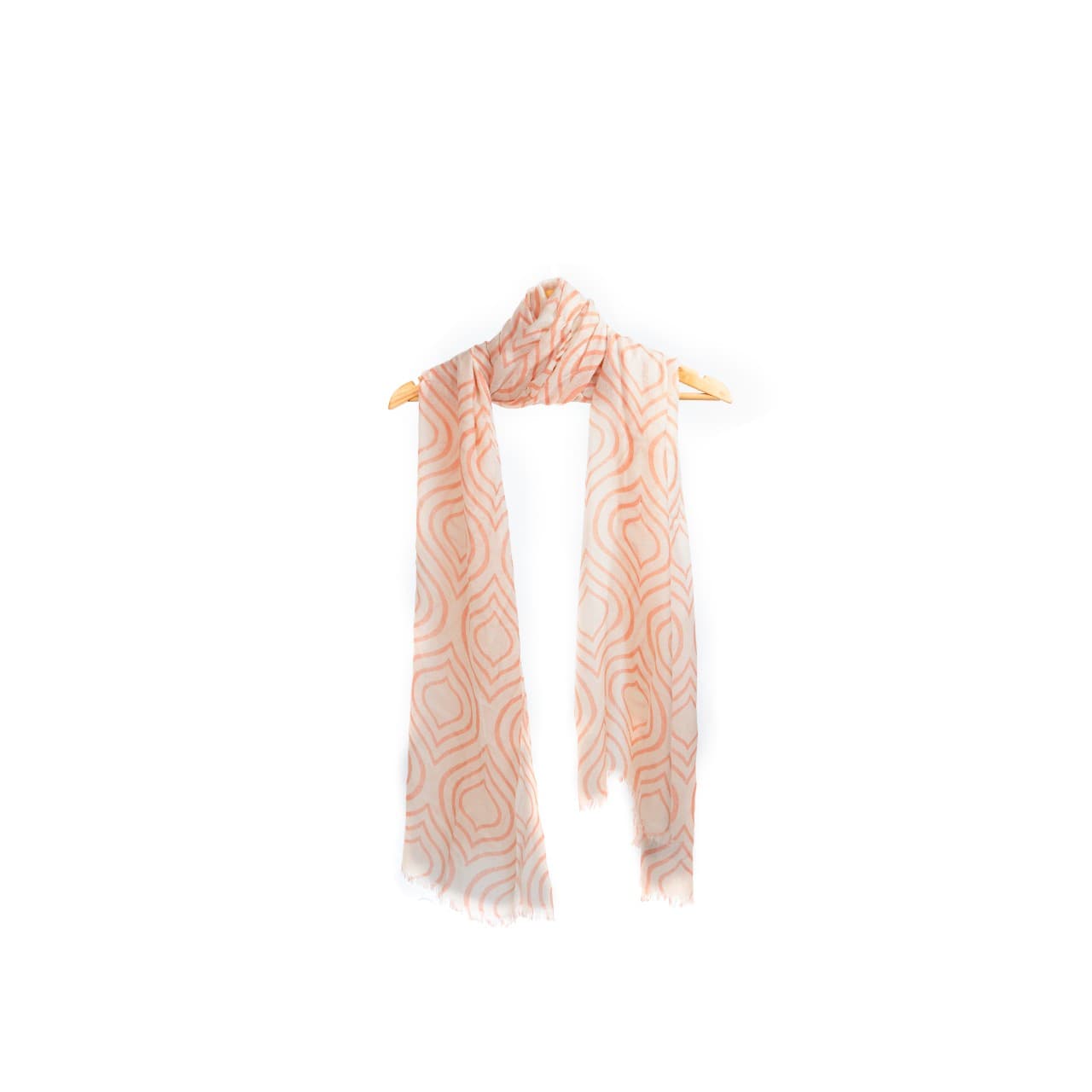
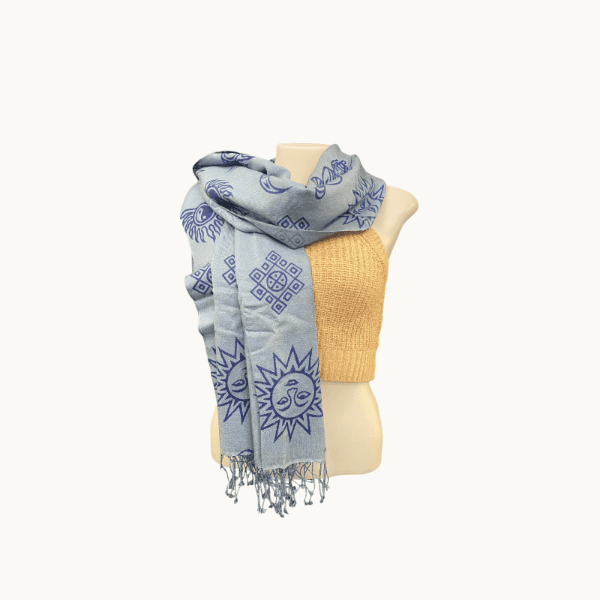
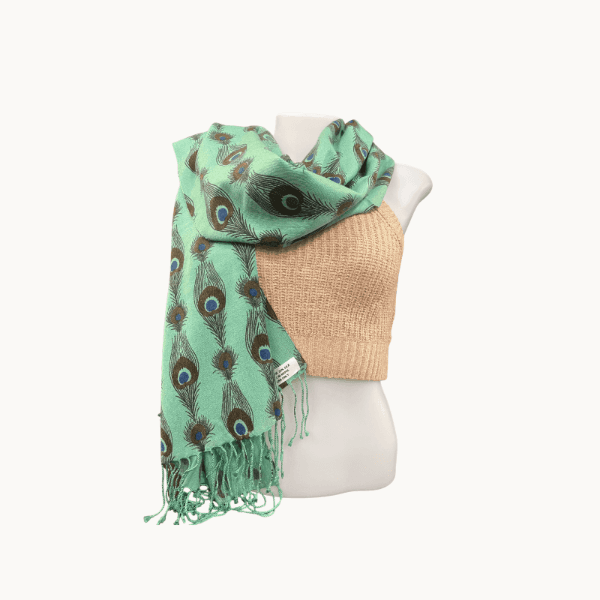
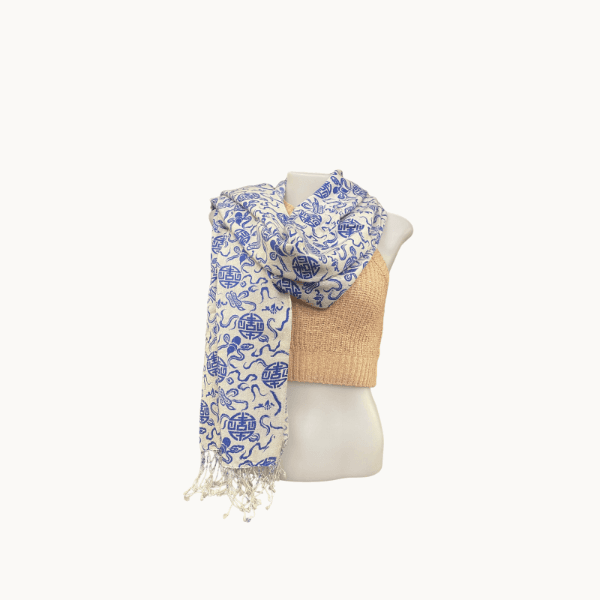
Why authentic Nepali pashmina matters
Real Chyangra fibre, not blended viscose
Most "pashmina" sold to tourists is viscose, polyester, or sheep-wool blended with a tiny percentage of cashmere. Avendi lists only handwoven pieces from verified vendors who source from Chyangra-goat cooperatives in the upper Himalayas.
Handwoven on traditional looms
Every shawl is woven by hand on a wooden pit-loom, not power-loomed in a factory. A single fine pashmina shawl can take a skilled weaver three to four weeks to complete — which is why no two pieces look exactly alike.
Direct from Kathmandu artisan workshops
We pay vendors directly, not through a chain of export middlemen. More of what you pay reaches the spinner, dyer, and weaver who actually made the shawl — many of whom are Tibetan-refugee women working through Kathmandu cooperatives that have practised this craft since the 1960s.
What is pashmina, and how is it different from cashmere?
Pashmina and cashmere come from the same animal: the Chyangra (or Changthangi) goat, a high-altitude breed that develops a soft underbelly down — pashm in Persian — to survive winter temperatures of -40°C. In spring the goats moult, and herders comb out the down, which is then hand-spun into yarn. The word "cashmere" comes from Kashmir, the region where the trade was first commercialised; "pashmina" comes from the Persian-Urdu word for the fibre itself. They describe the same raw material, just from different sides of the Himalayas.
What makes pashmina distinct is grade and provenance. The finest pashmina yarn measures 12 to 15 microns in diameter, finer than the 18 to 19 microns of standard commercial cashmere. That is why a real pashmina shawl is feather-light, ring-passable, and warm enough to function as a winter layer rather than just a fashion accessory. Nepali Chyangra pashmina carries a protected Geographical Indication (GI) mark, similar to Champagne or Darjeeling tea — only fibre combed from goats herded above 4,000 metres in the Nepali Himalayas can legally use the Chyangra label.
How to tell real pashmina from fake
The tourist markets of Thamel, New Road, and most international airports are full of "pashmina" priced at five or ten dollars. Real pashmina is not that price — the raw fibre alone costs more than that per shawl. A few quick tests separate authentic Himalayan pashmina from blended imitations: the burn test (real cashmere smells like burnt hair, synthetic blends smell like plastic and form a hard bead), the ring test (a fine pashmina shawl will draw smoothly through a wedding ring), and the static test (rub the fabric against your hand — synthetic fibres crackle with static, real cashmere does not).
Hand-feel is the most reliable indicator once you have felt the real thing. Authentic pashmina is soft without being slippery — slipperiness usually means viscose. The weave shows tiny irregularities because the yarn is hand-spun; perfectly uniform weave usually means power-loomed synthetic. Real pashmina also gets softer with wear and washing, while blended pieces pill and lose their loft within a season. If you are buying in Kathmandu and the price is below NPR 8,000, assume it is blended — Avendi vendors price their genuine handwoven pashmina according to the fibre and the labour, not the tourist-market floor.
The Kathmandu pashmina tradition and Tibetan-refugee weavers
Pashmina weaving moved into the Kathmandu Valley in significant volume after 1959, when Tibetan refugees who had fled across the Himalayas brought their loom traditions with them. The Tibetan refugee settlements at Boudhanath and Jawalakhel became the heart of the modern Nepali pashmina industry — their cooperatives still produce a substantial share of the finest hand-woven pashmina sold in Kathmandu today. Many of the women weaving on those pit-looms are second- or third-generation refugees who learned the craft from mothers and grandmothers who escaped Tibet on foot.
Avendi works directly with these Kathmandu-based artisan vendors and weaving cooperatives. The pashmina you see on this page is made within the valley, mostly within a half-hour drive of Boudhanath, by women whose names and workshops we know. That direct relationship is also why the prices on Avendi reflect the real cost of handwoven Himalayan cashmere — and why your shawl will arrive at your hotel in Kathmandu the same day, not weeks later through an export channel.
Frequently asked questions about Pashmina
Is pashmina the same as cashmere?+
Yes — they are the same fibre, combed from the underbelly down of the Himalayan Chyangra goat. "Cashmere" comes from Kashmir; "pashmina" is the Persian word for the wool itself. The difference is grade: pashmina specifically refers to the finest 12–15 micron yarn, while "cashmere" is used for a broader range up to 19 microns.
How can I tell if a pashmina shawl is real?+
Real Himalayan pashmina is soft without being slippery, has tiny irregularities in the weave (because the yarn is hand-spun), and produces no static. The burn test is the most reliable: a snipped fibre from a real shawl smells like burnt hair, while synthetic blends smell like plastic and melt into a hard bead. If a Kathmandu shawl is priced below NPR 8,000, it is almost certainly blended.
Where does Avendi's pashmina come from?+
Every piece is handwoven in the Kathmandu Valley by Nepali artisan vendors, including Tibetan-refugee weaving cooperatives based in Boudhanath and Jawalakhel. The Chyangra fibre itself is sourced from goat herders working in the upper Himalayan regions of Nepal, above 4,000 metres.
How do I care for a pashmina shawl?+
Hand-wash in cold water with a mild wool detergent or baby shampoo — never machine-wash and never use bleach. Lay flat to dry, never wring or hang. Store folded with cedar or lavender to deter moths. With this care, a real pashmina shawl will last decades and actually get softer over time.
What's the difference between pashmina and Chyangra pashmina?+
Chyangra Pashmina is a protected Nepali Geographical Indication (GI) — only fibre combed from Chyangra goats herded above 4,000 metres in the Nepali Himalayas can legally carry that label. Avendi's Kathmandu vendors source from Chyangra-certified cooperatives, so the pieces here are authentic Nepali Chyangra pashmina, not generic cashmere.
What does a genuine Chyangra Pashmina tag look like, and what are fakes made of?+
The official Chyangra Pashmina trademark is a secure label carrying a hologram and a unique QR code you can scan to verify the piece is lab-tested 100% Chyangra fibre, handwoven in Nepal. If a vendor can't show that tag, treat the claim with caution. The most common fakes are viscose or rayon (a plant fibre with an unnatural slippery sheen and a cool, slightly synthetic feel) and acrylic or polyester blends — all of which fail the burn test, smelling of burnt paper or plastic rather than singed hair. Better Nepali workshops also use Azo-free, skin-safe dyes, another marker of a reputable maker.