Nepali Dhaka Fabric — Handwoven Topi Cloth, Ties & Bags
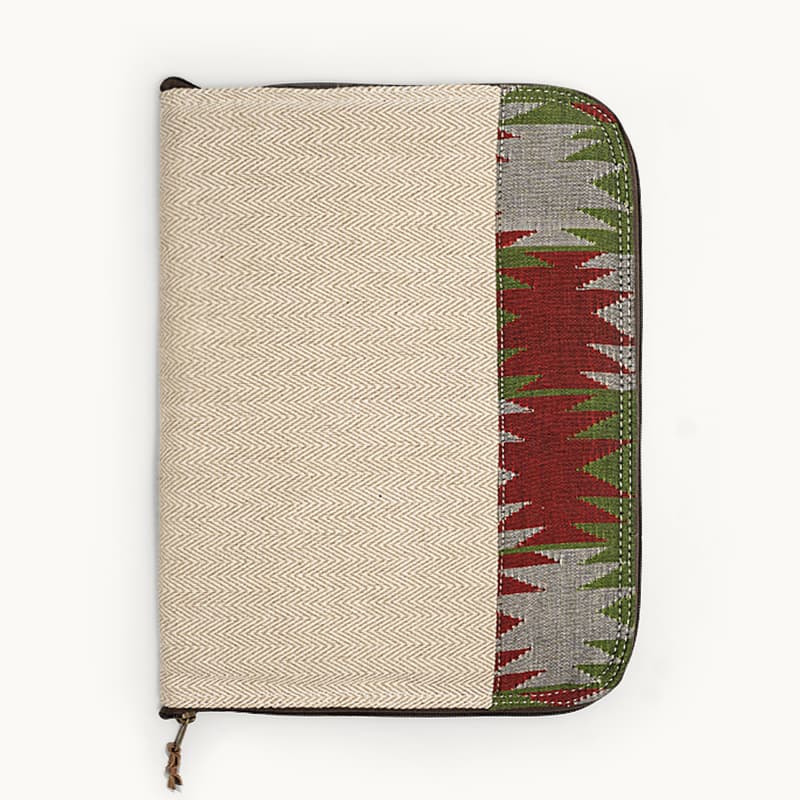
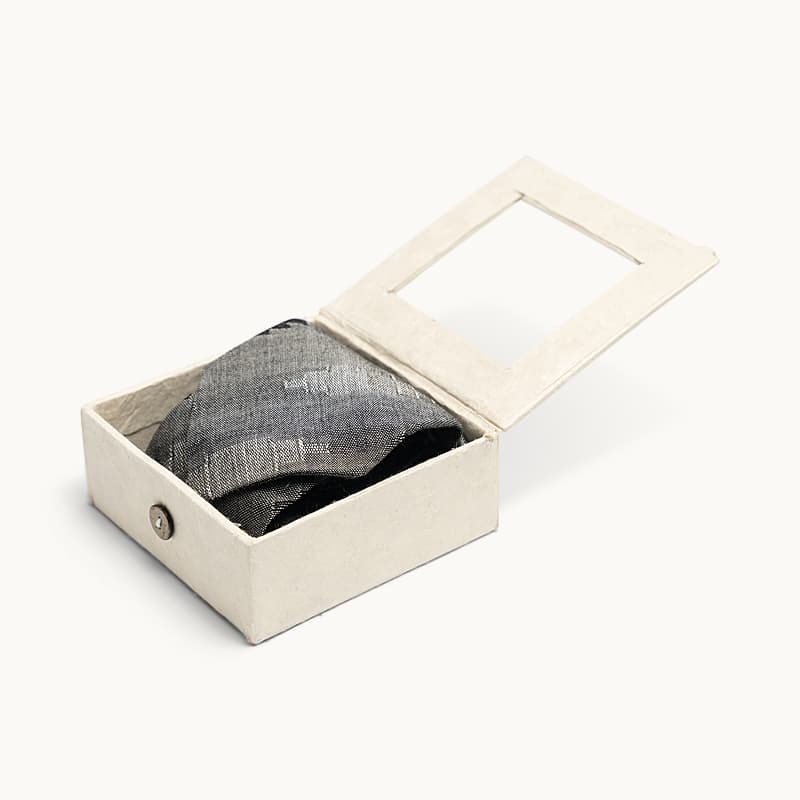
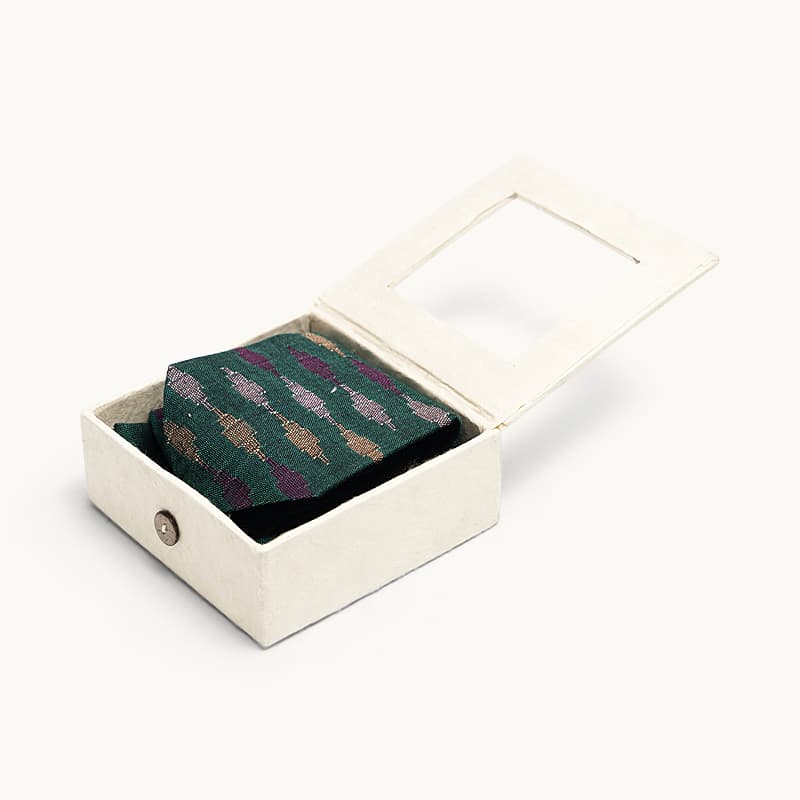
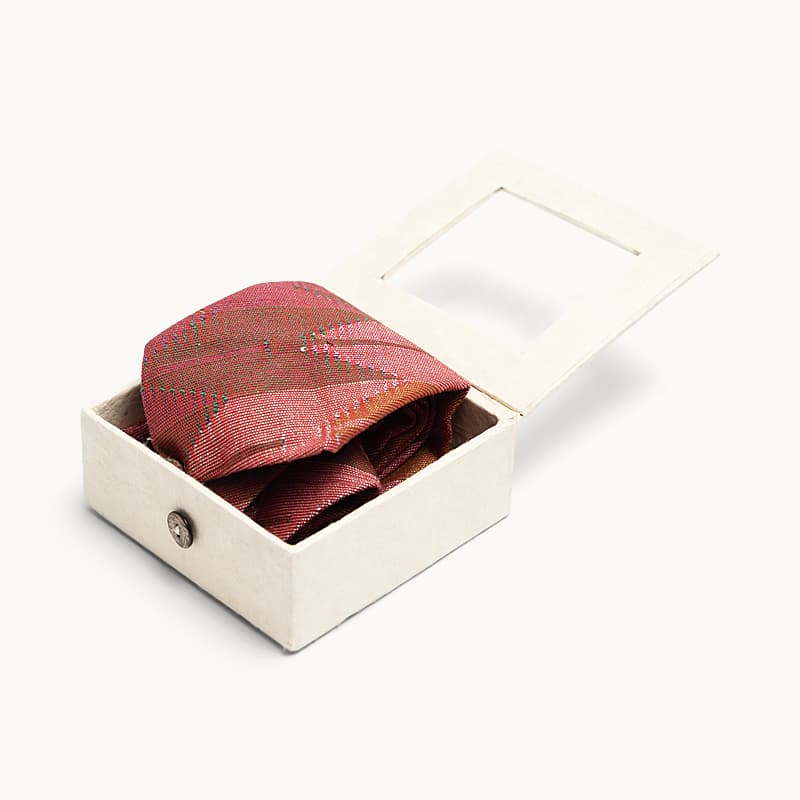
Dhaka is a handwoven Nepali cloth, instantly recognizable by its vivid geometric diamond patterns and contrasting dyed threads. The name points outward — the fine cotton thread historically reached Nepal through Dhaka in Bengal, the city also known for fine Dhaka muslin — but the cloth itself is woven in Nepal. It is the cloth of the topi, Nepal's national cap, and of Nepali ceremonial dress: jackets, blouses, ties, purses.
Each piece is woven by hand on small looms — by Limbu and Rai weavers in the eastern hills around Tehrathum, and in Palpa (Tansen) in the west, home of the famous "Palpali Dhaka." Avendi partners with Kathmandu-based vendors who source directly from these weaver communities, so when you buy a tie or laptop bag from us, you're buying a fabric tradition, not an imitation print.
Shop Nepali Dhaka in Kathmandu
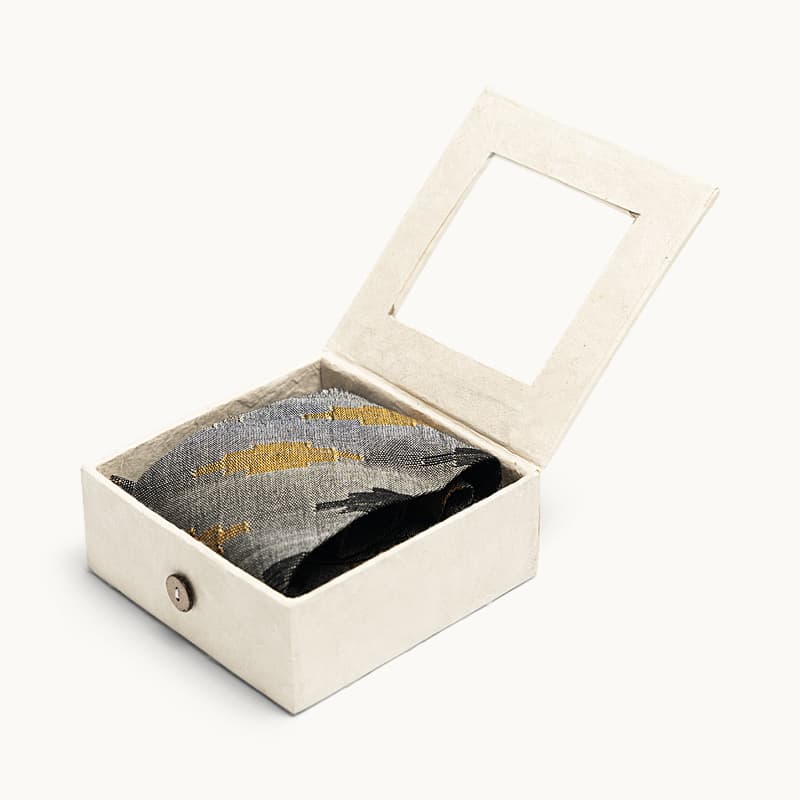
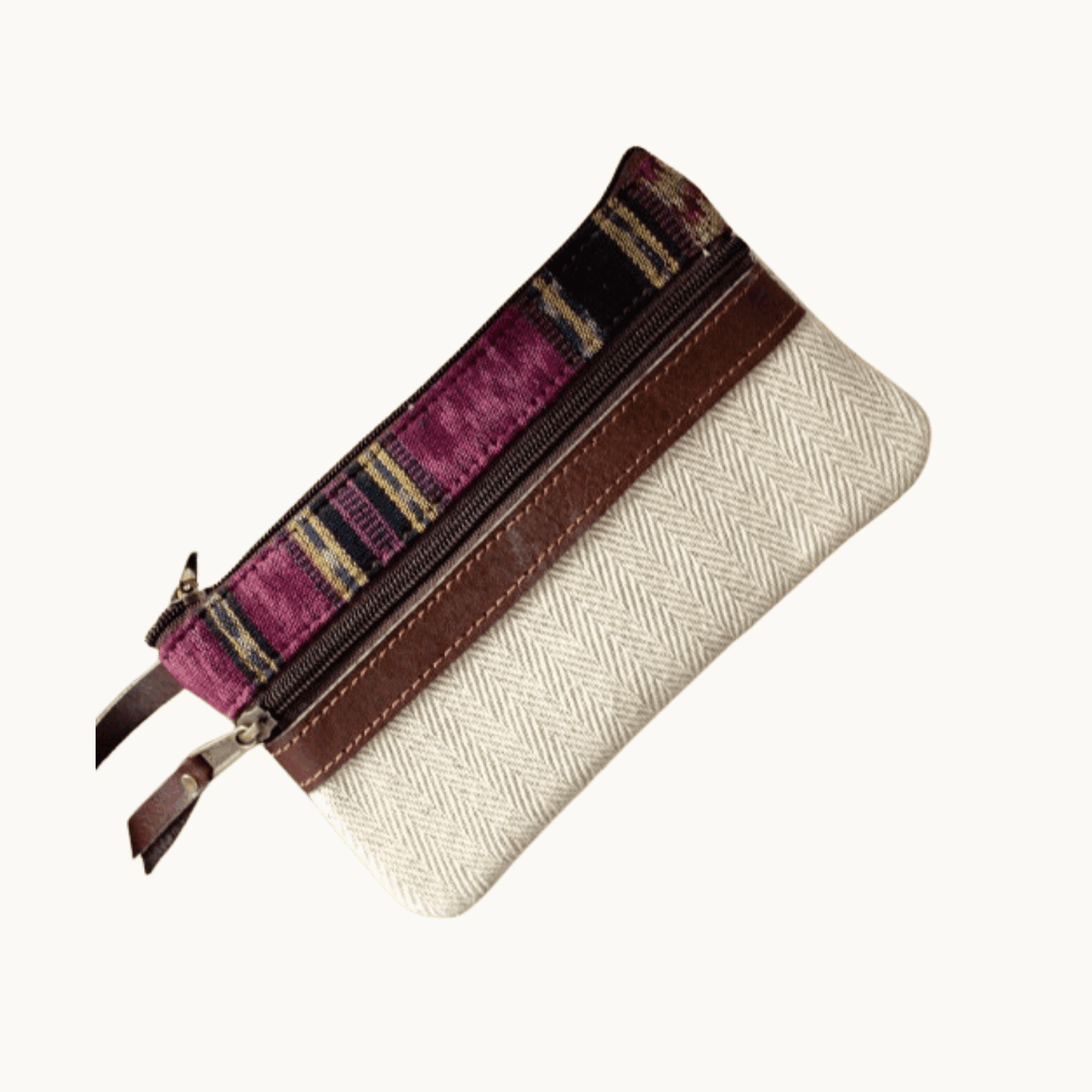
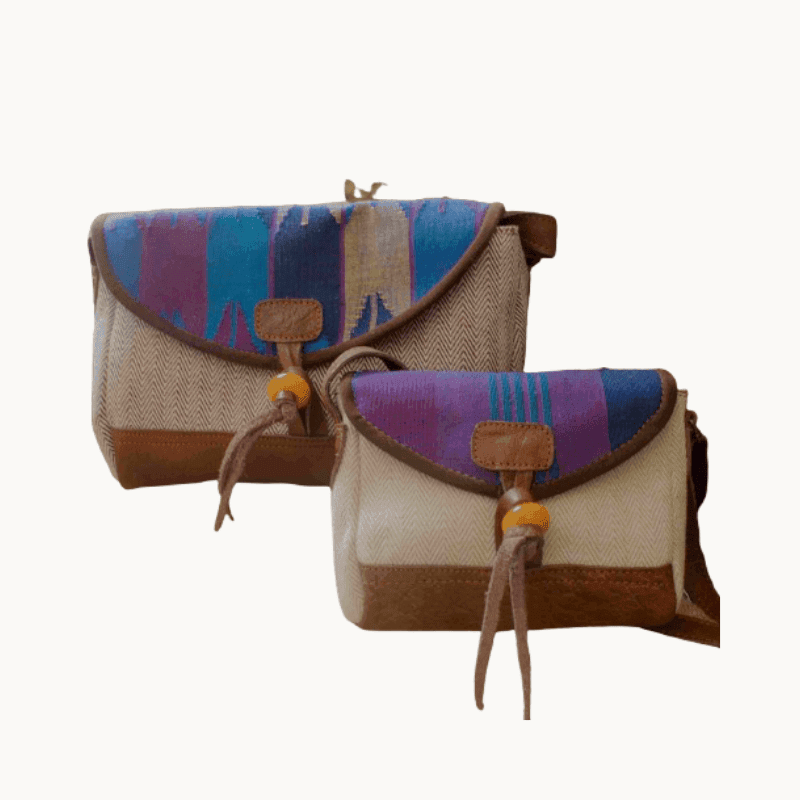
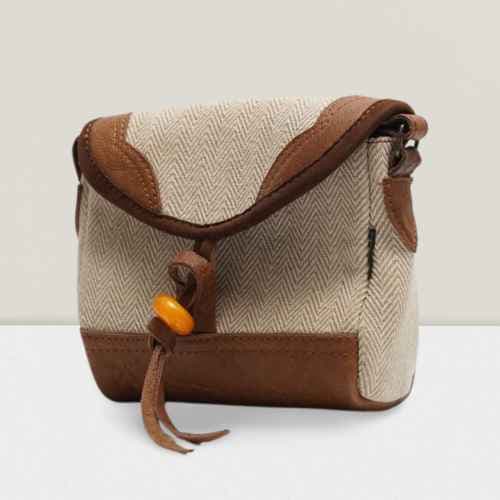
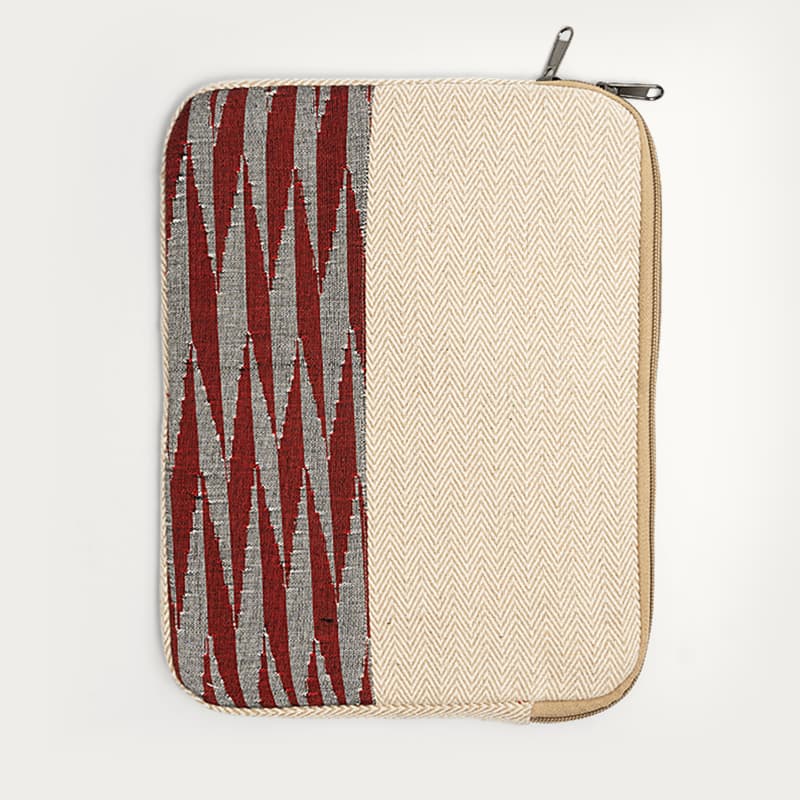
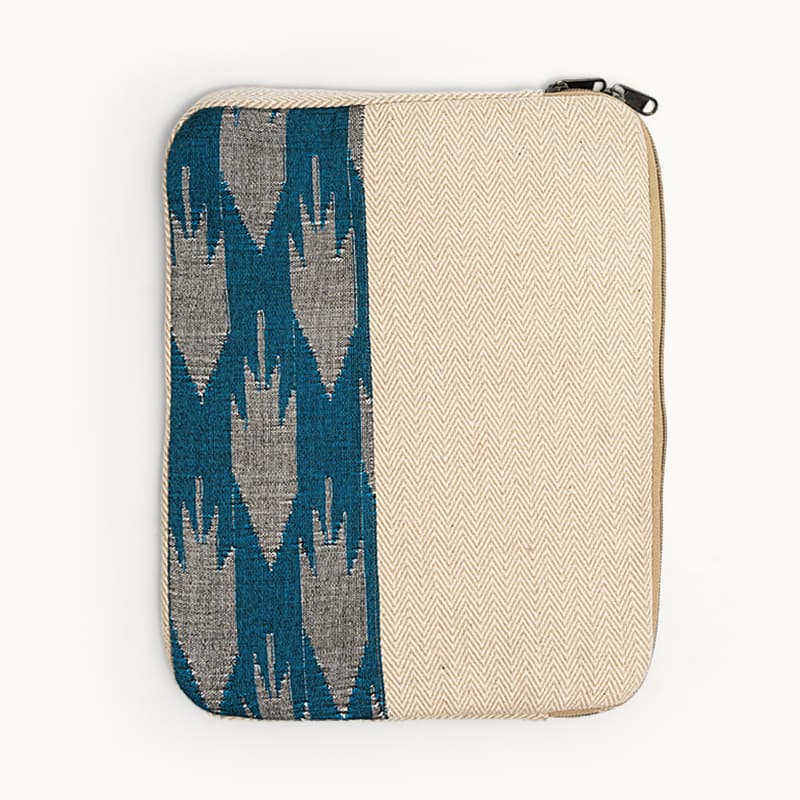
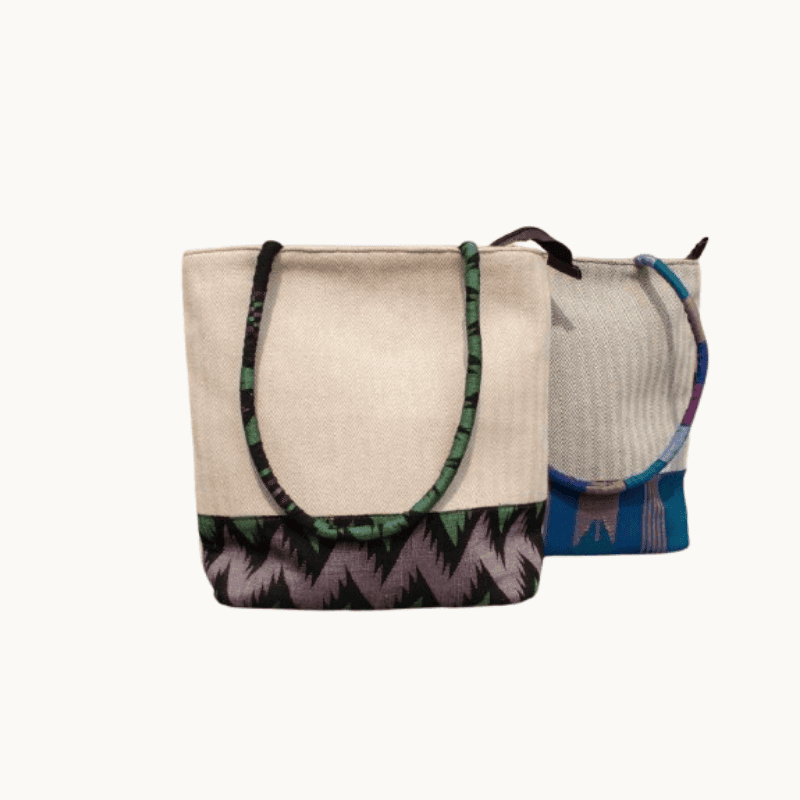
Why authentic handwoven Dhaka matters
Handwoven on traditional looms
Every metre in our catalogue is woven by hand. Machine-printed lookalike fabrics exist, but they're a different product — no weave, no three-dimensional pattern, no durability.
Limbu, Rai & Palpa weavers
The weaving tradition lives with hill communities — the Limbu and Rai of eastern Nepal, and the weavers of Palpa in the west. Avendi lists vendors who pay those weavers directly, not urban re-sellers who mark up village work by three times.
Heavyweight cotton, built to last
The real cloth is woven from thick, dyed cotton yarns. It doesn't fray, fade, or sag the way thinner commodity textile does — a handwoven tie or purse is meant to last a decade.
Frequently asked questions about Dhaka fabric
What is Dhaka fabric?+
Dhaka is a traditional Nepali handwoven cotton fabric, defined by its distinctive geometric diamond and cross motifs and its vivid combinations of dyed thread. It's most famously used in the Dhaka topi — the Nepali national cap worn on formal and ceremonial occasions.
Is Dhaka fabric from Bangladesh?+
No. The cloth is woven in Nepal. The name points outward only because the fine cotton thread historically reached Nepal through Dhaka in Bengal — the city also known for fine Dhaka muslin — so the name travelled even though the weaving tradition is Nepali.
Who weaves Dhaka fabric?+
Dhaka is traditionally woven by Limbu and Rai communities in the eastern hills, and by weavers around Palpa (Tansen) in western Nepal, primarily on small family looms. The technique is passed down through generations and remains almost entirely hand-worked.
What is the Dhaka topi?+
The Dhaka topi is the Nepali cap stitched from Dhaka fabric. It's worn as formal dress across Nepal and is part of the national attire — you'll see it at weddings, festivals, official portraits, and on Nepali passports.
How is Dhaka different from other handwoven fabrics?+
Dhaka's signature is its three-dimensional diamond weave — the pattern is built into the structure of the cloth, not printed or embroidered on top. That's what distinguishes real Dhaka from mass-printed copies.
How do I care for a Dhaka tie or purse?+
Spot-clean where possible; hand-wash in cold water with mild detergent if full washing is needed. Air dry flat — never tumble-dry or wring — and iron on the reverse side on medium heat. Stored properly, genuine Dhaka holds its color and texture for years.