Nepali Chocolate & Traditional Sweets — Bean-to-Bar, Gundpak & Pustakari
"Nepal makes chocolate?" — it does, and increasingly well. A small wave of Kathmandu makers now produce craft chocolate, chocolate-coated dragées, and chai-spiced bars, sitting alongside Nepal's much older confectionery tradition: gundpak, a dense milk fudge set with khuwa (reduced milk), and pustakari, a chewy khuwa-and-lemon toffee. Together they cover both ends of the sweet shelf — the modern and the heritage.
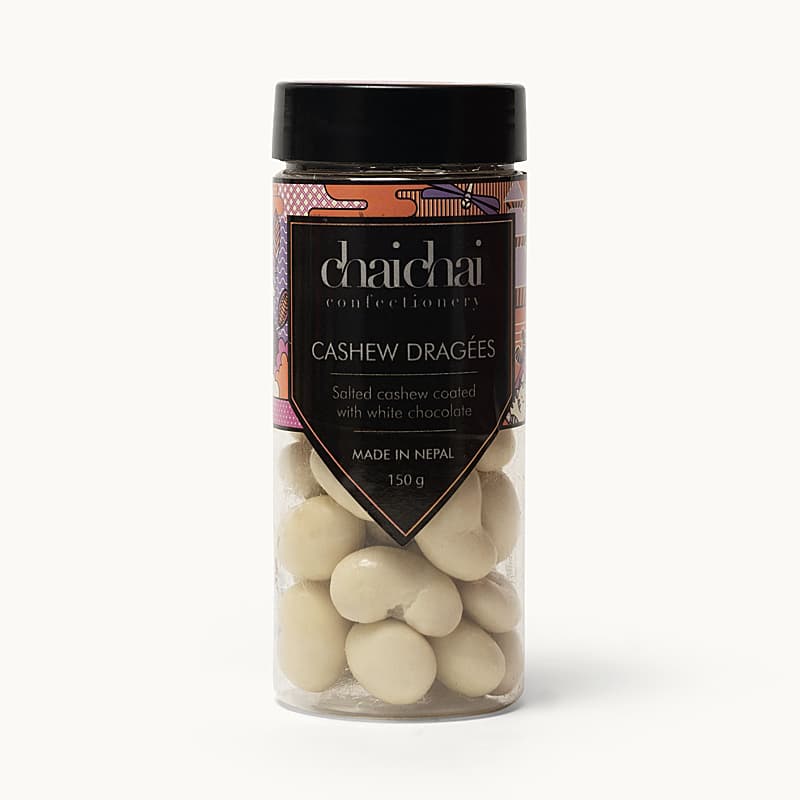
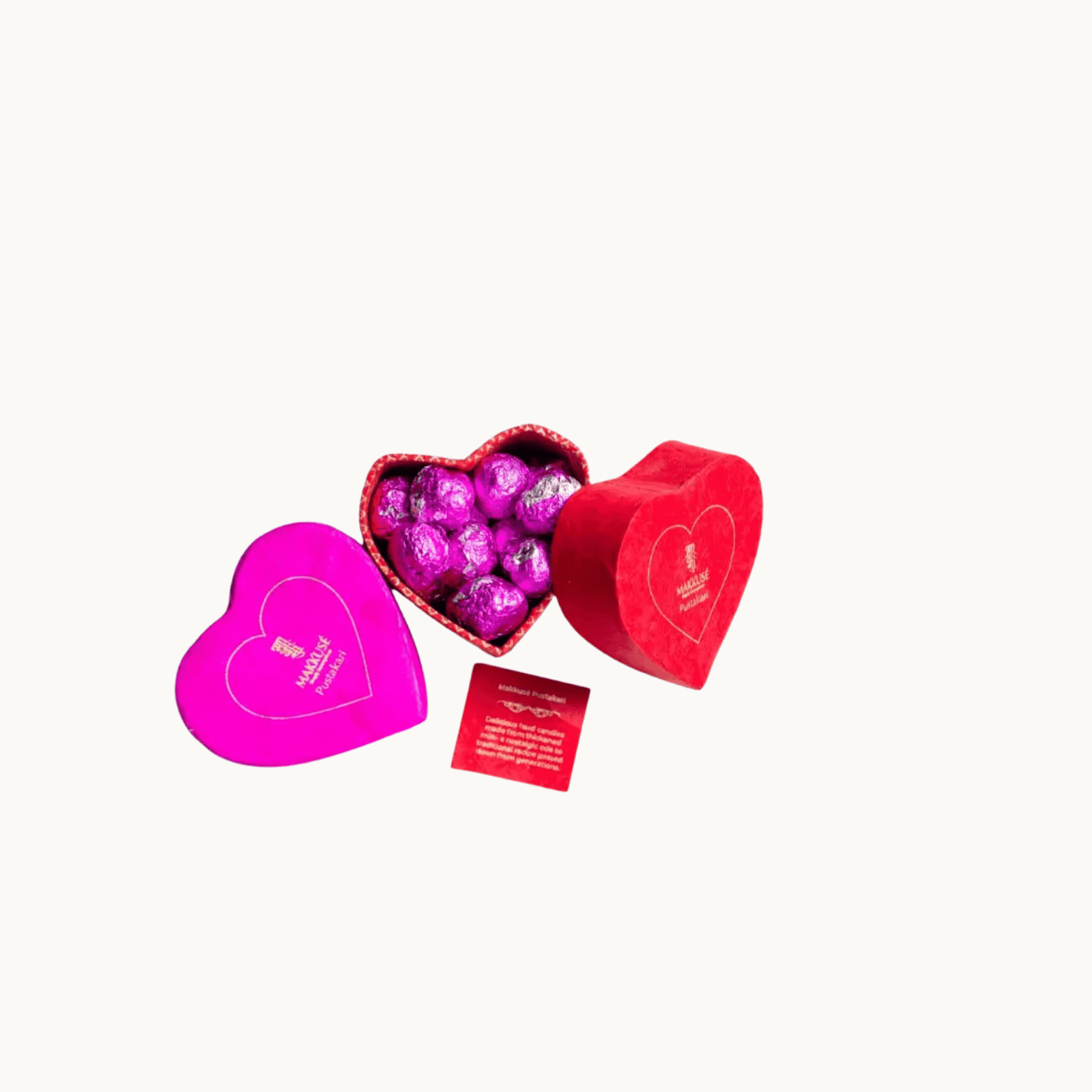
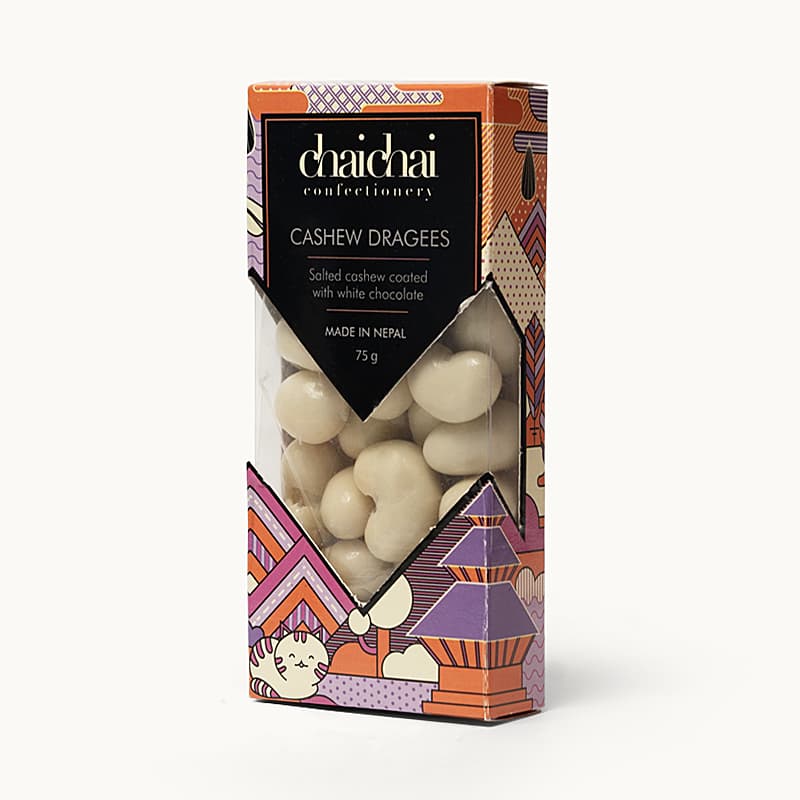
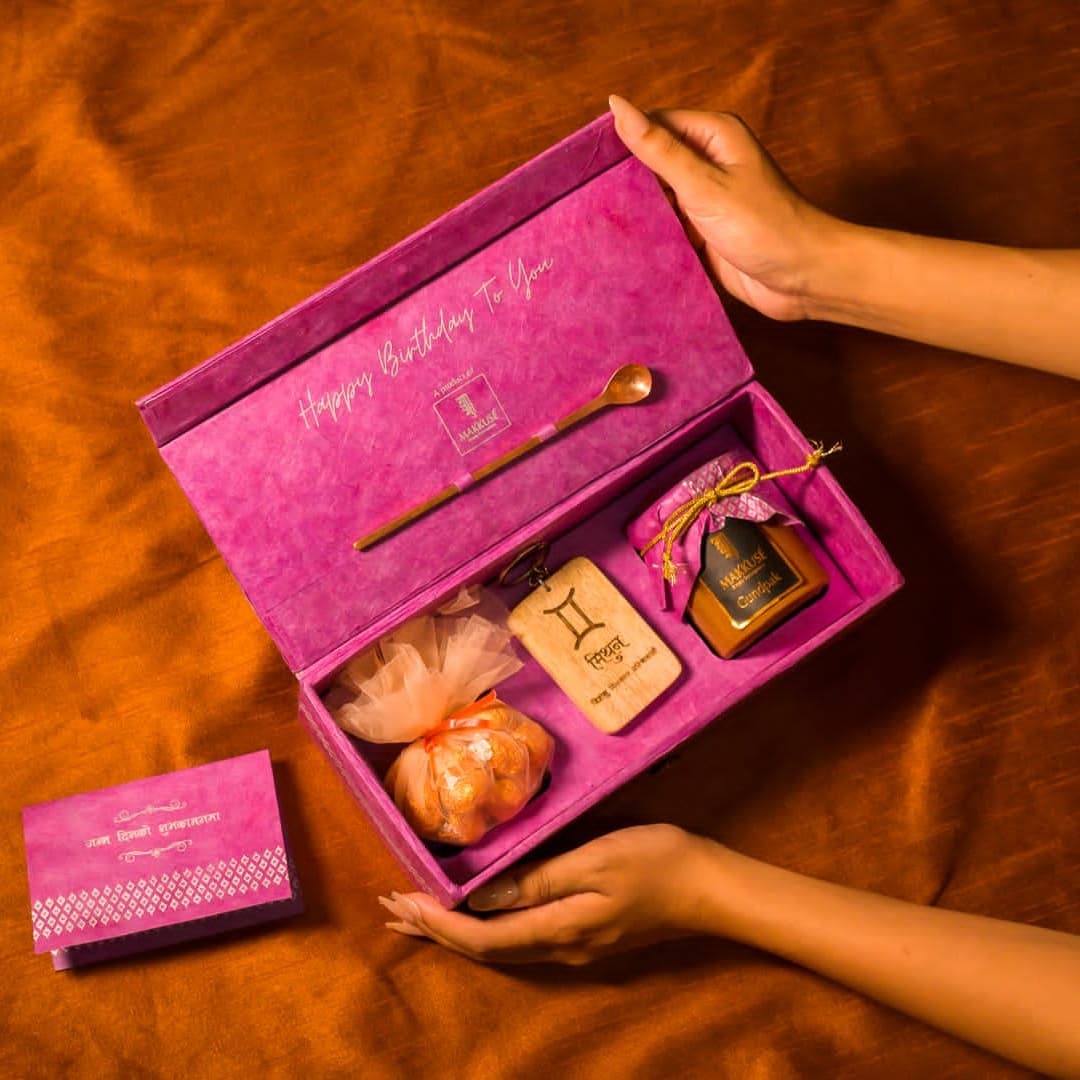
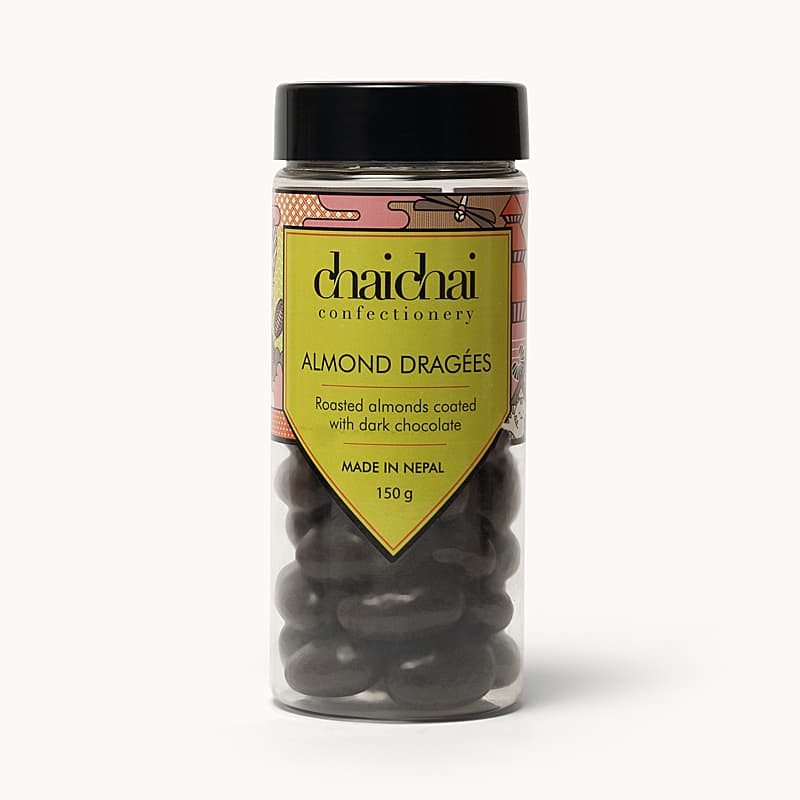
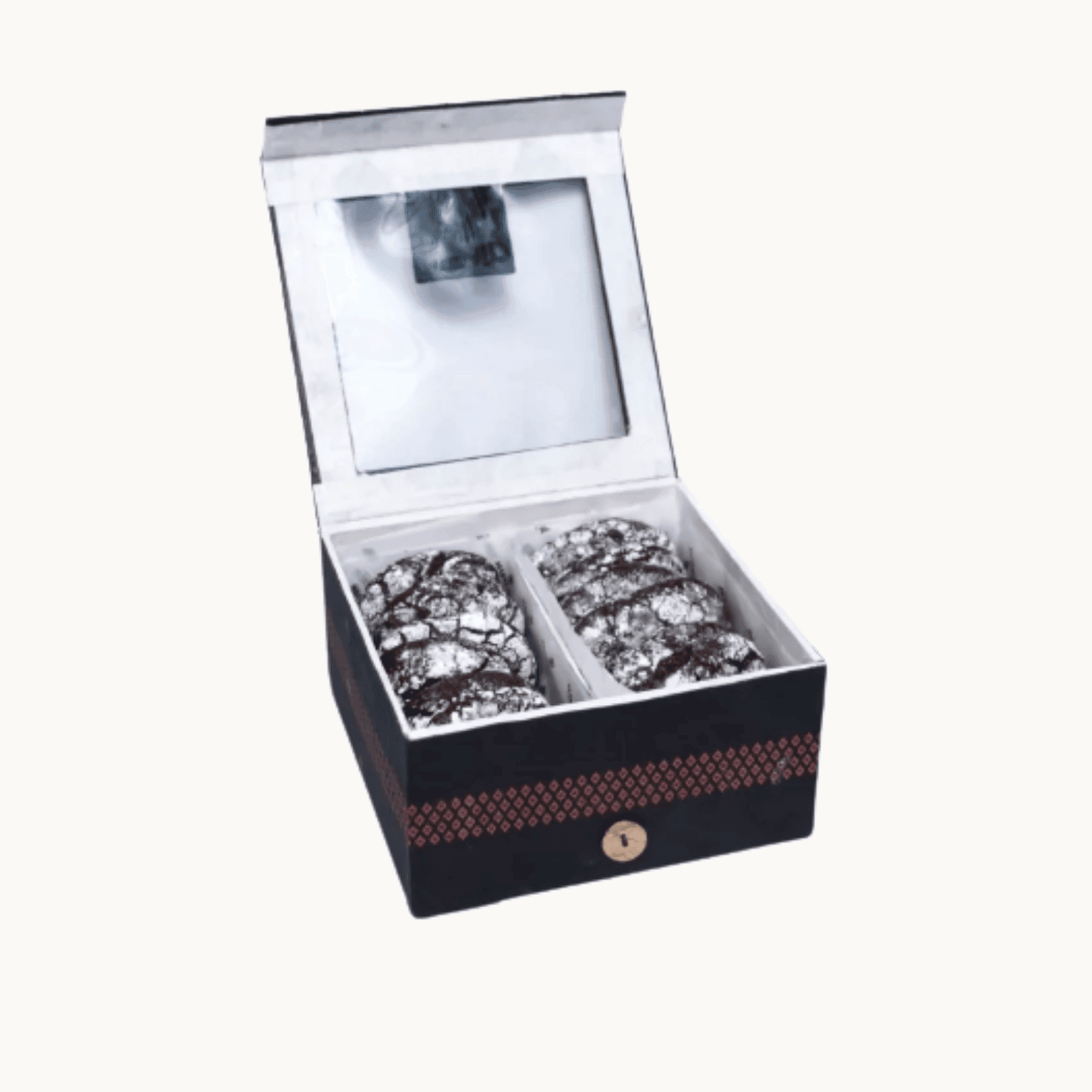
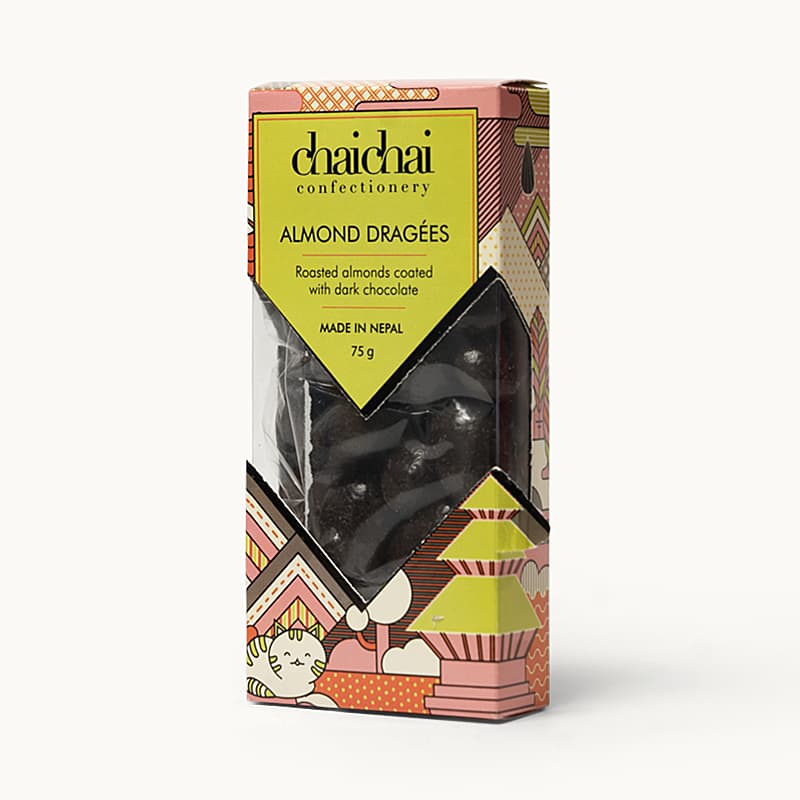
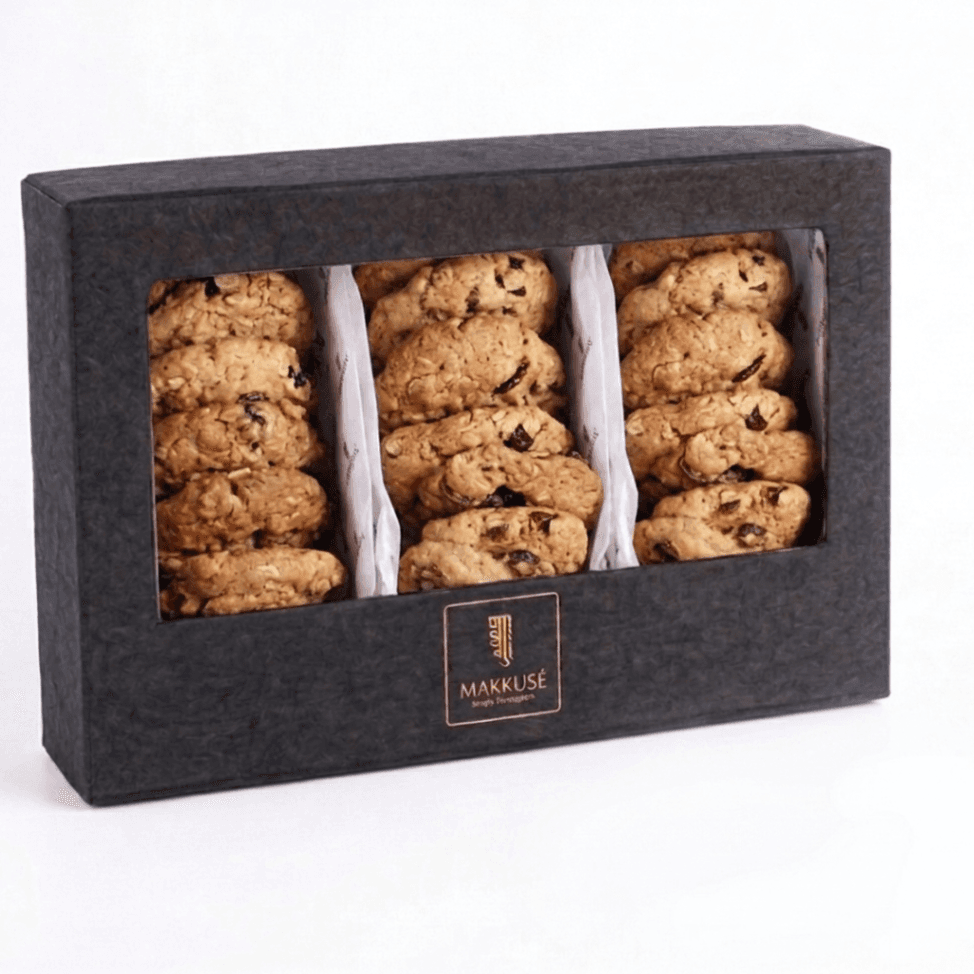
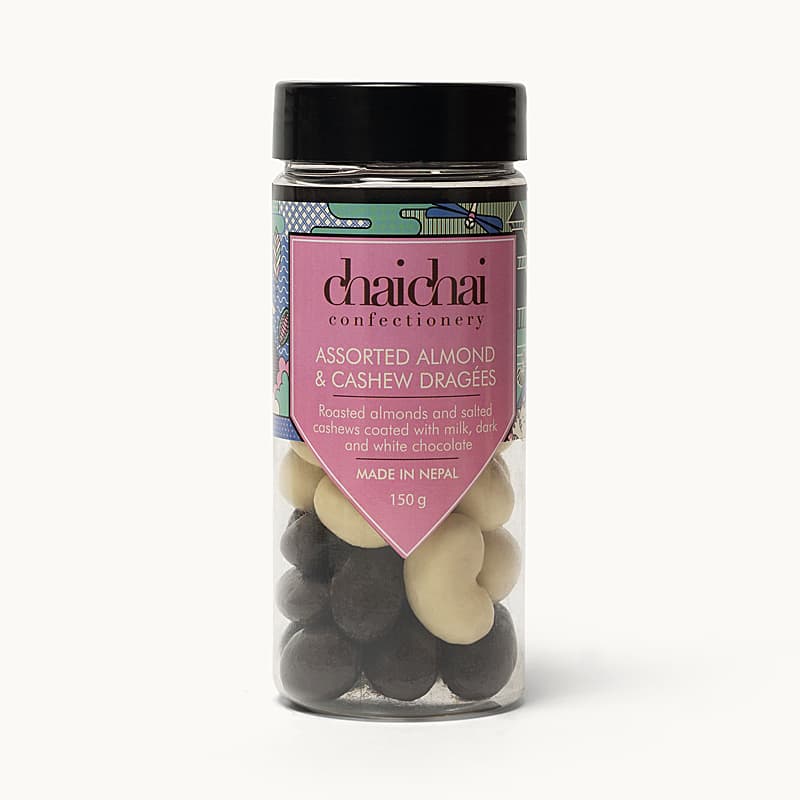
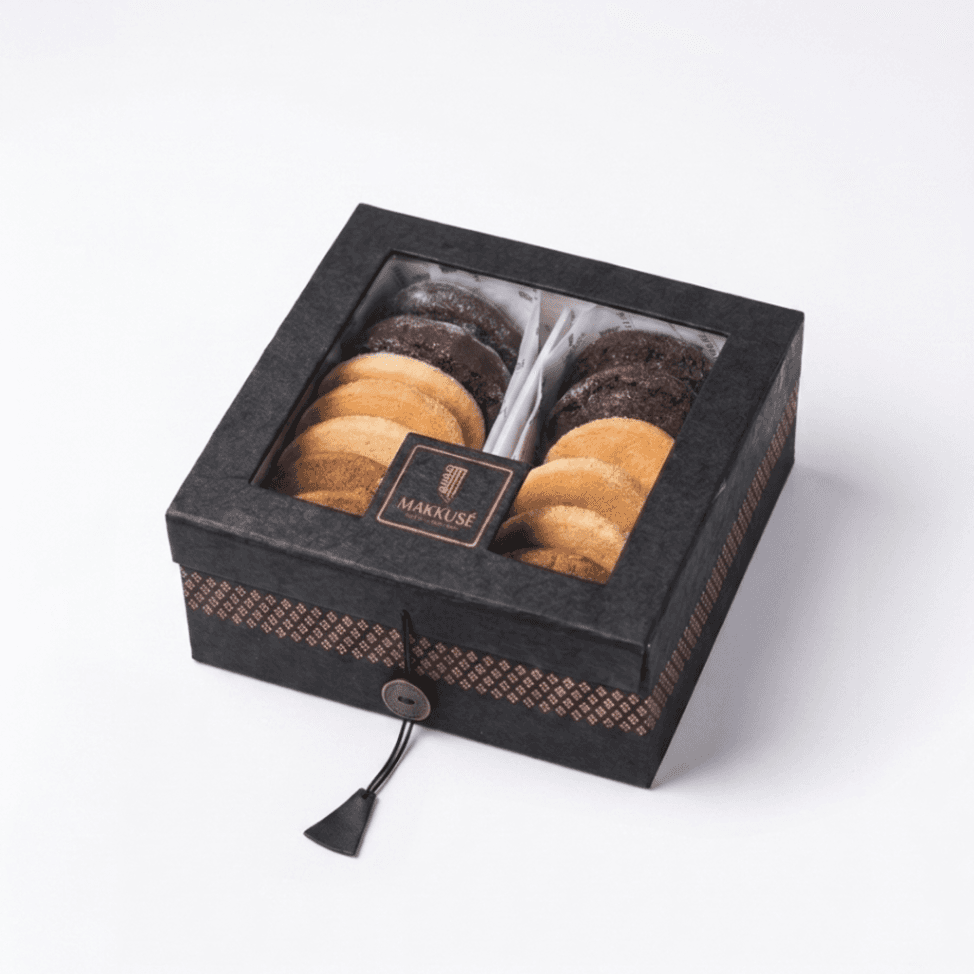
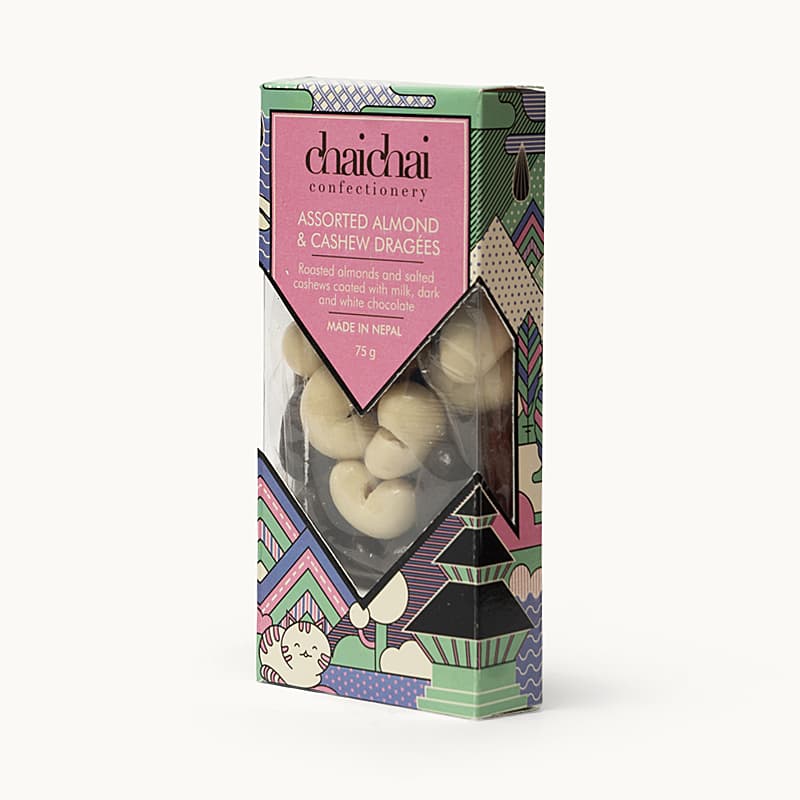
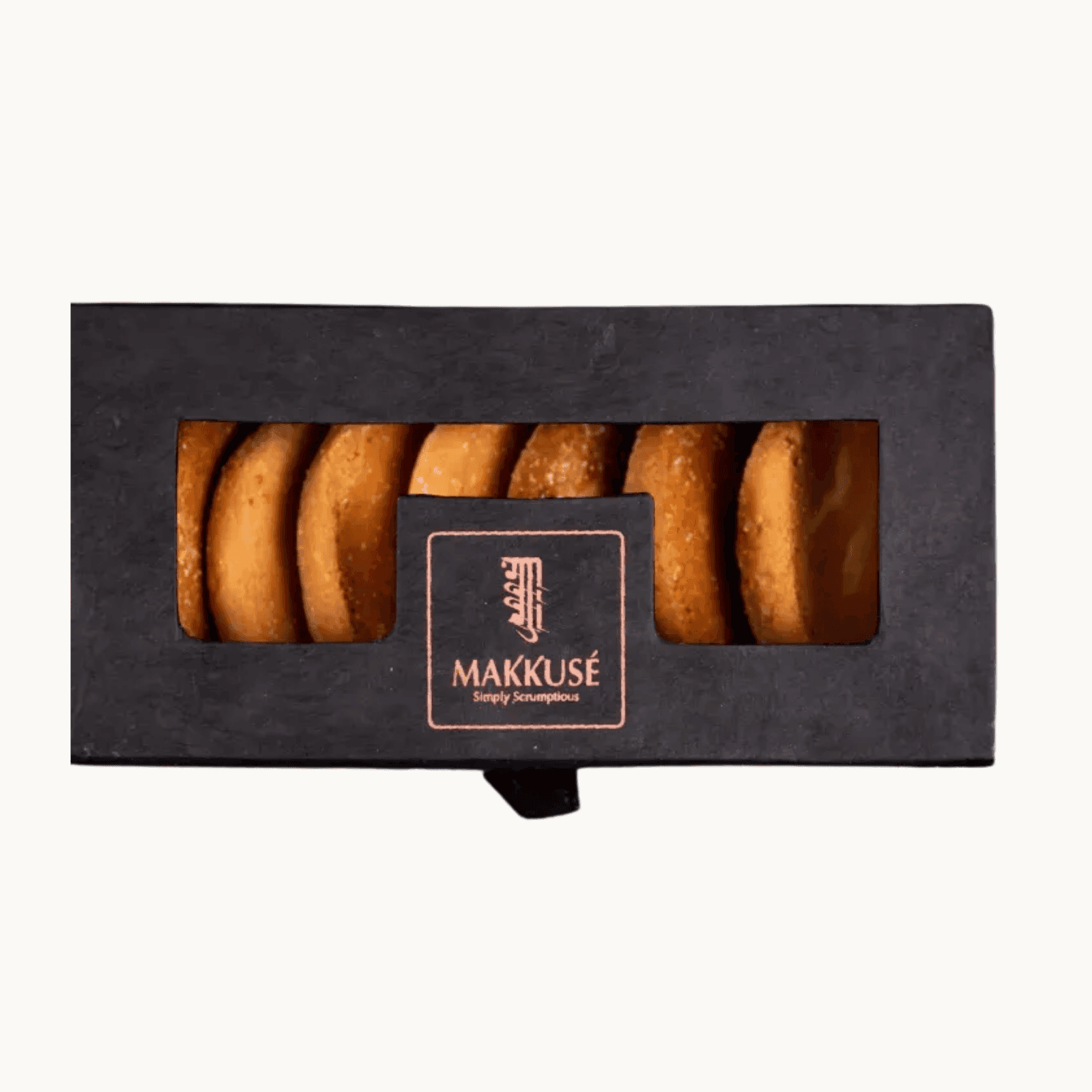
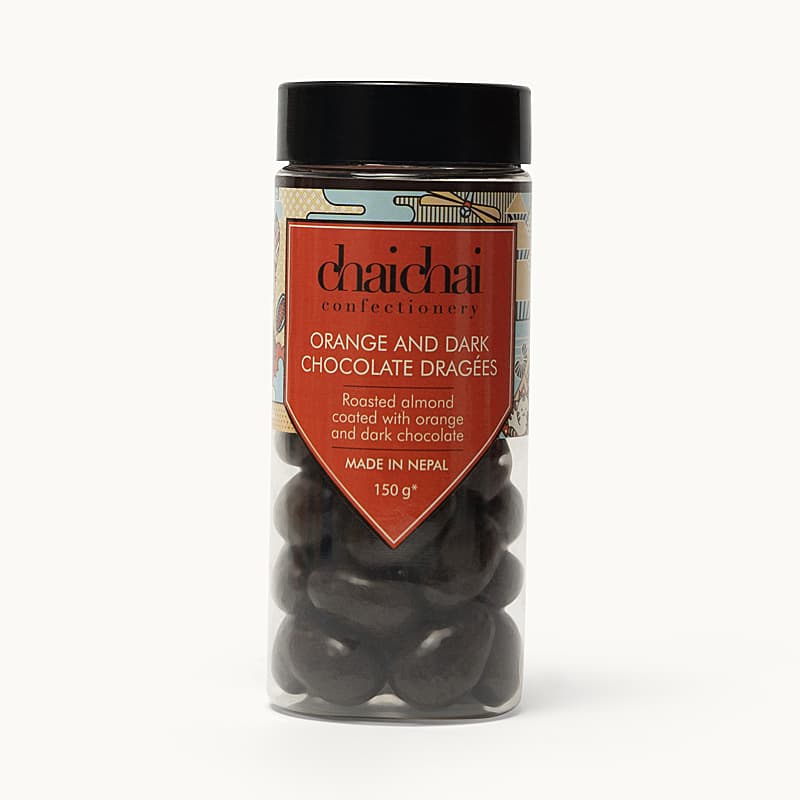
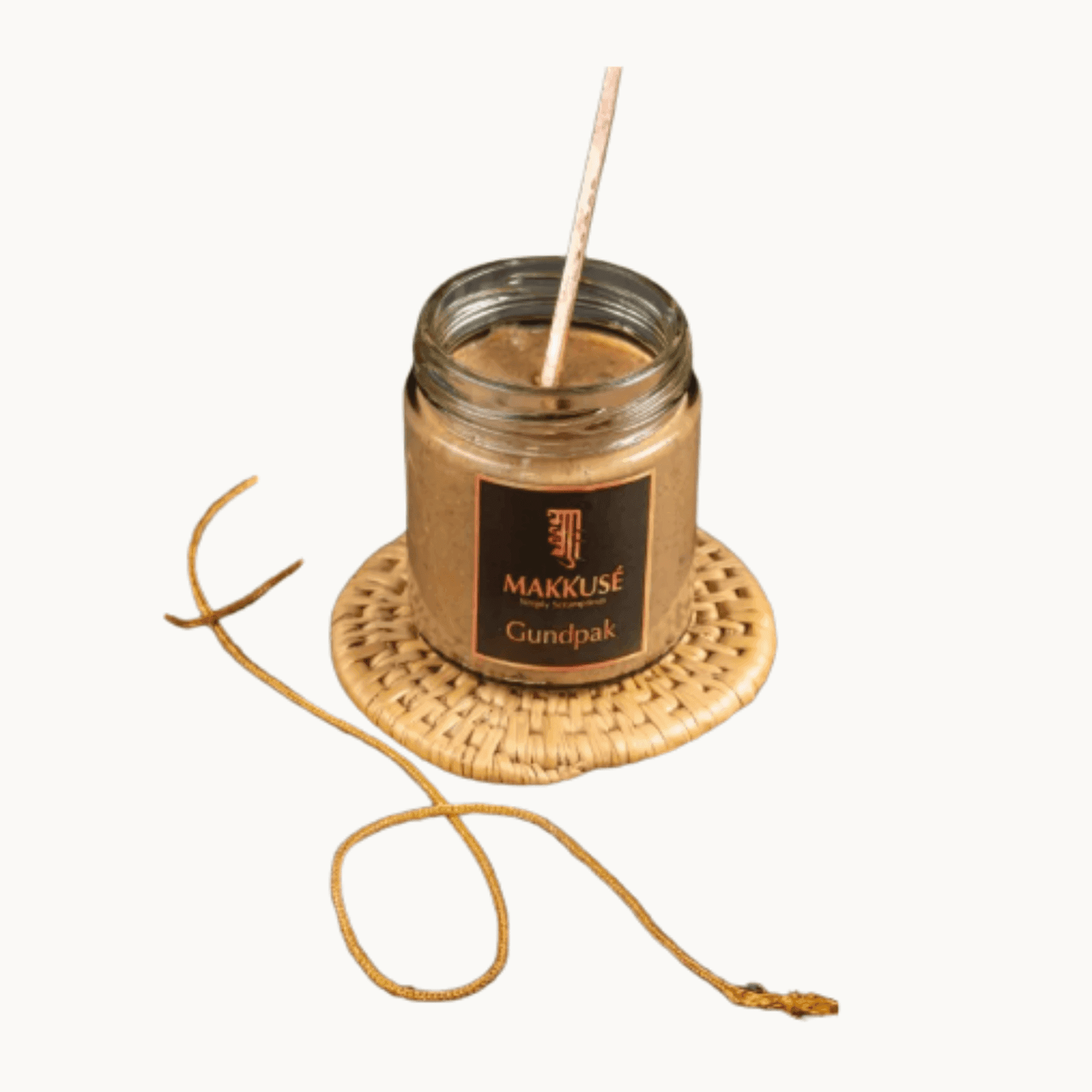
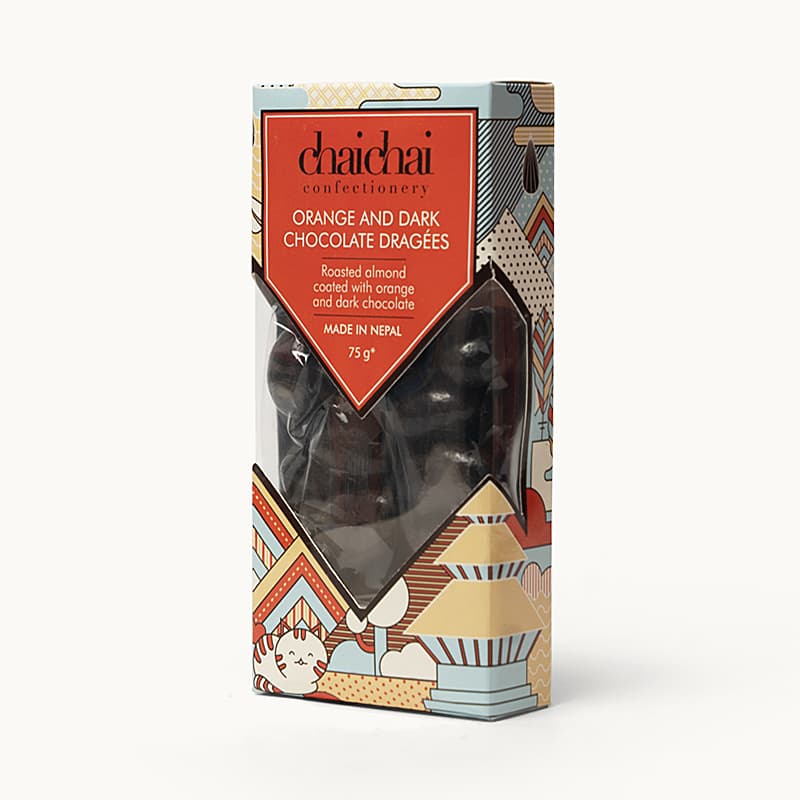
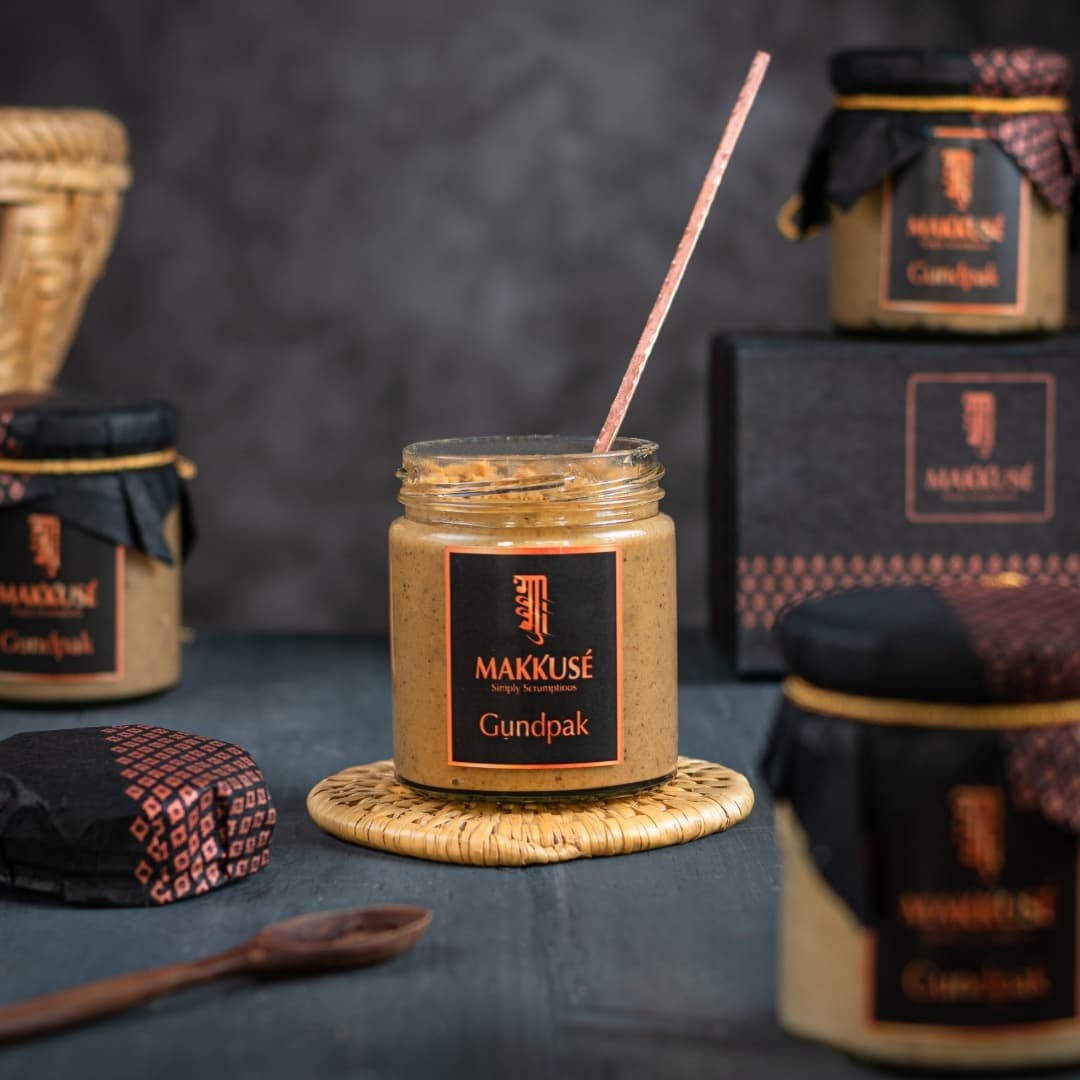
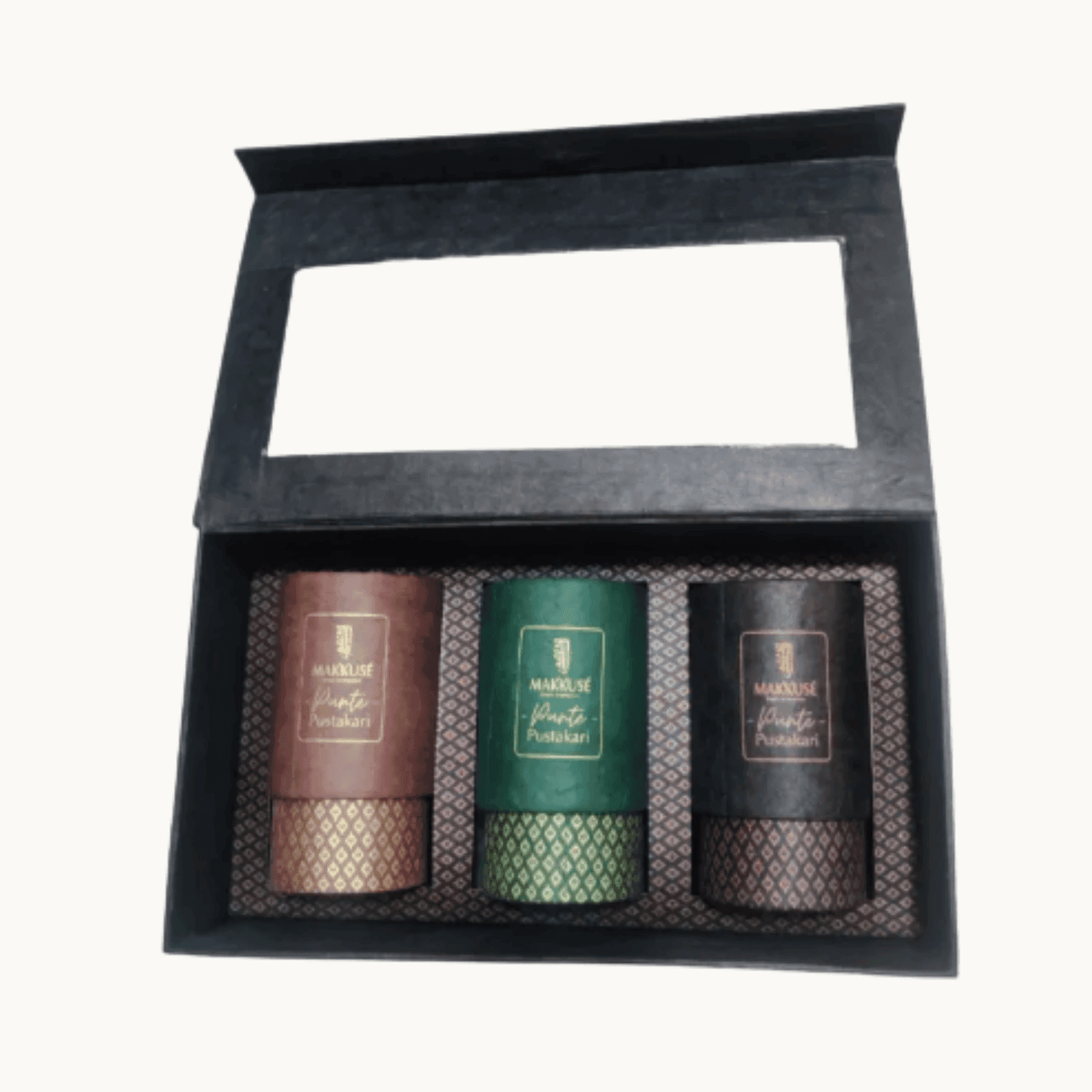
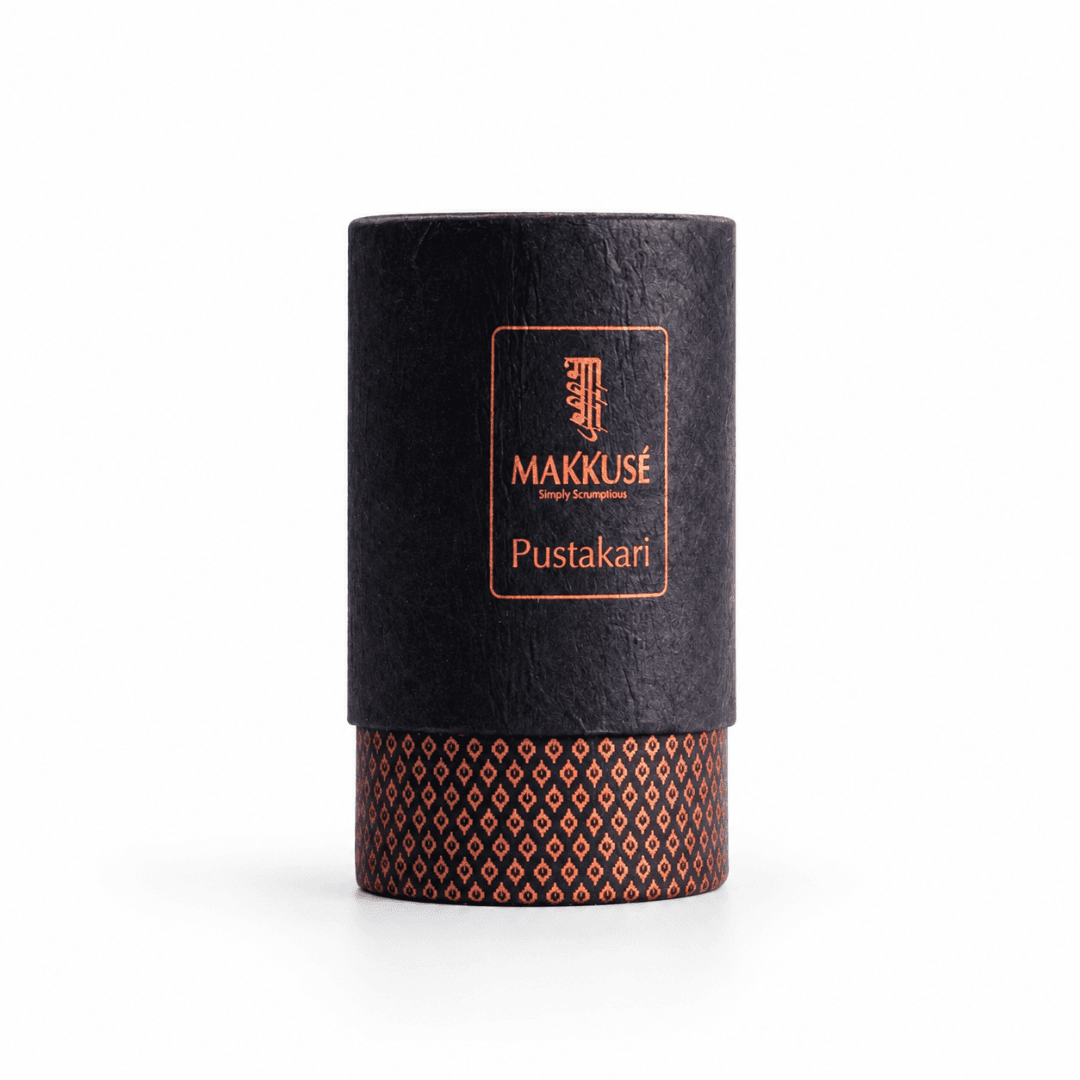
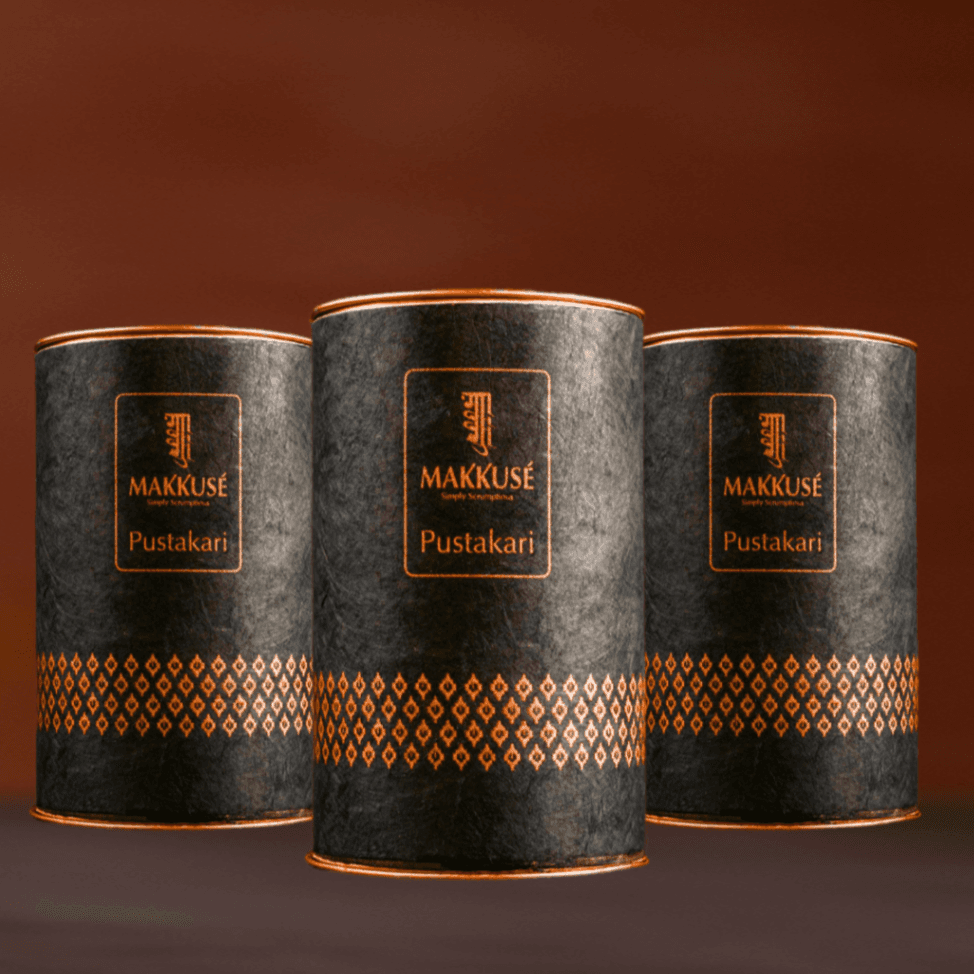
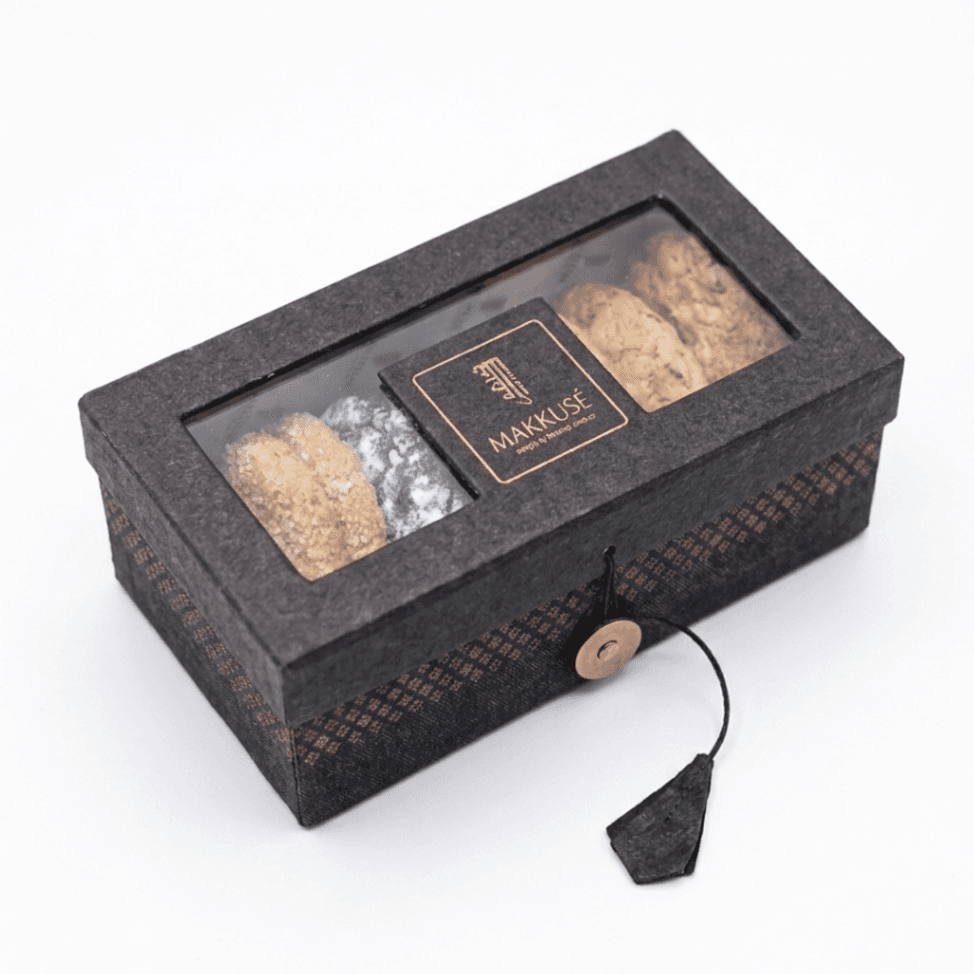
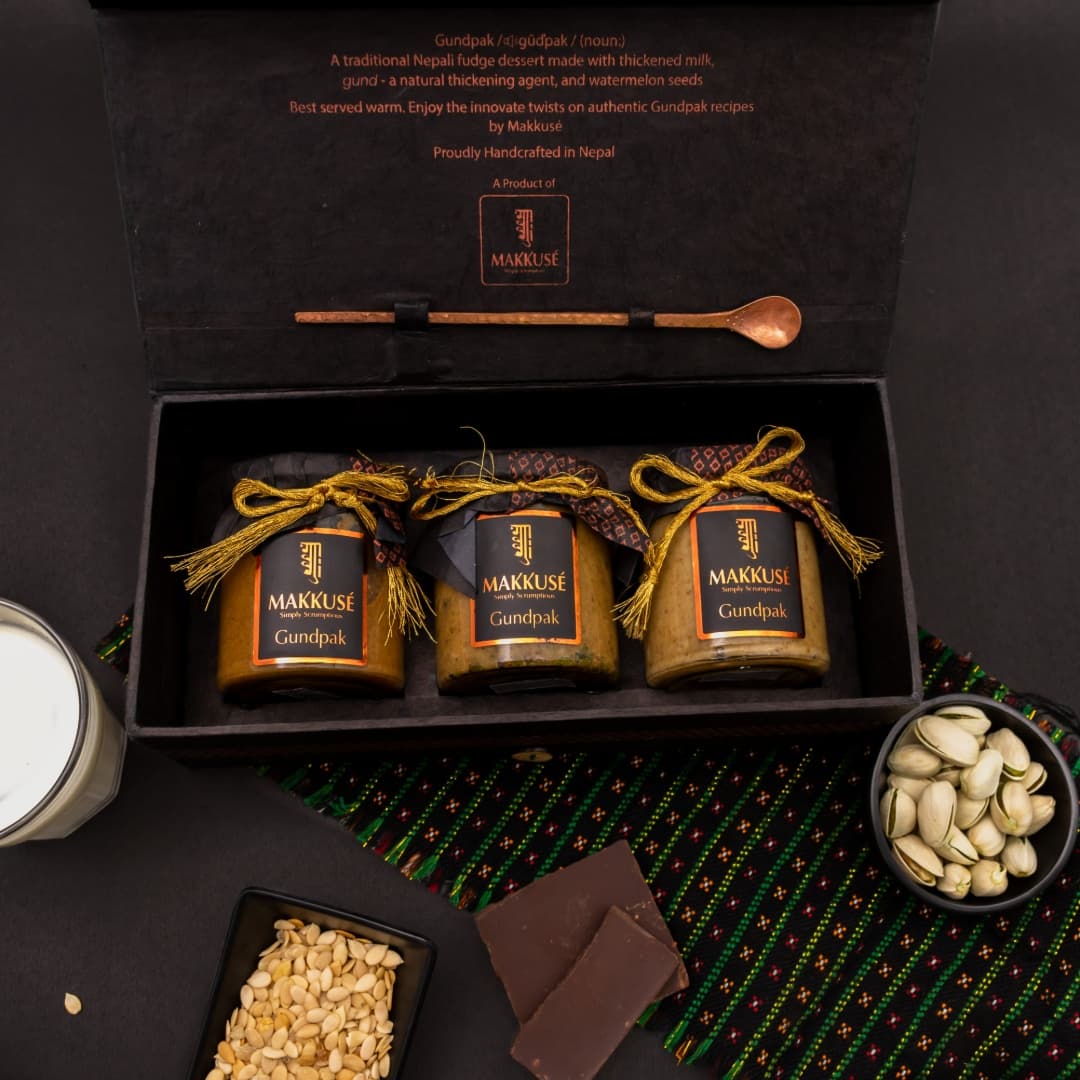
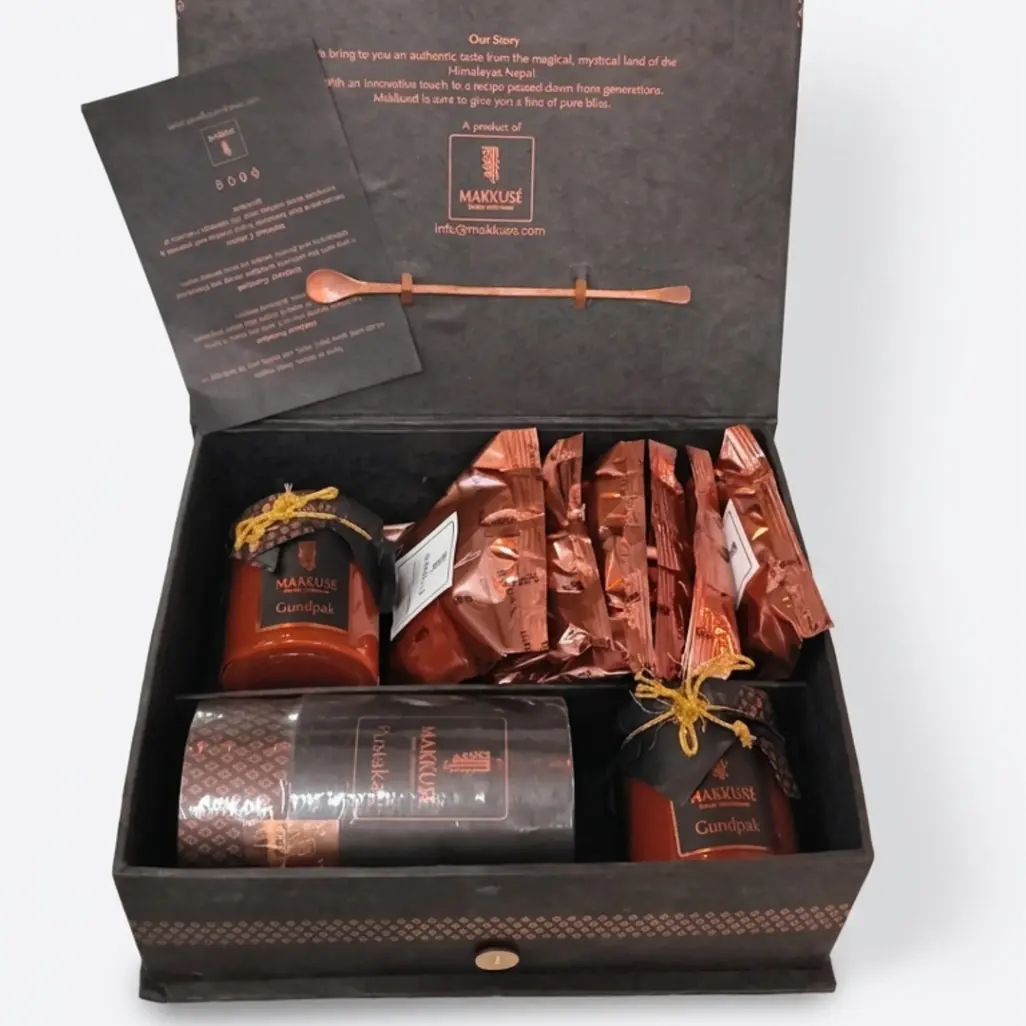
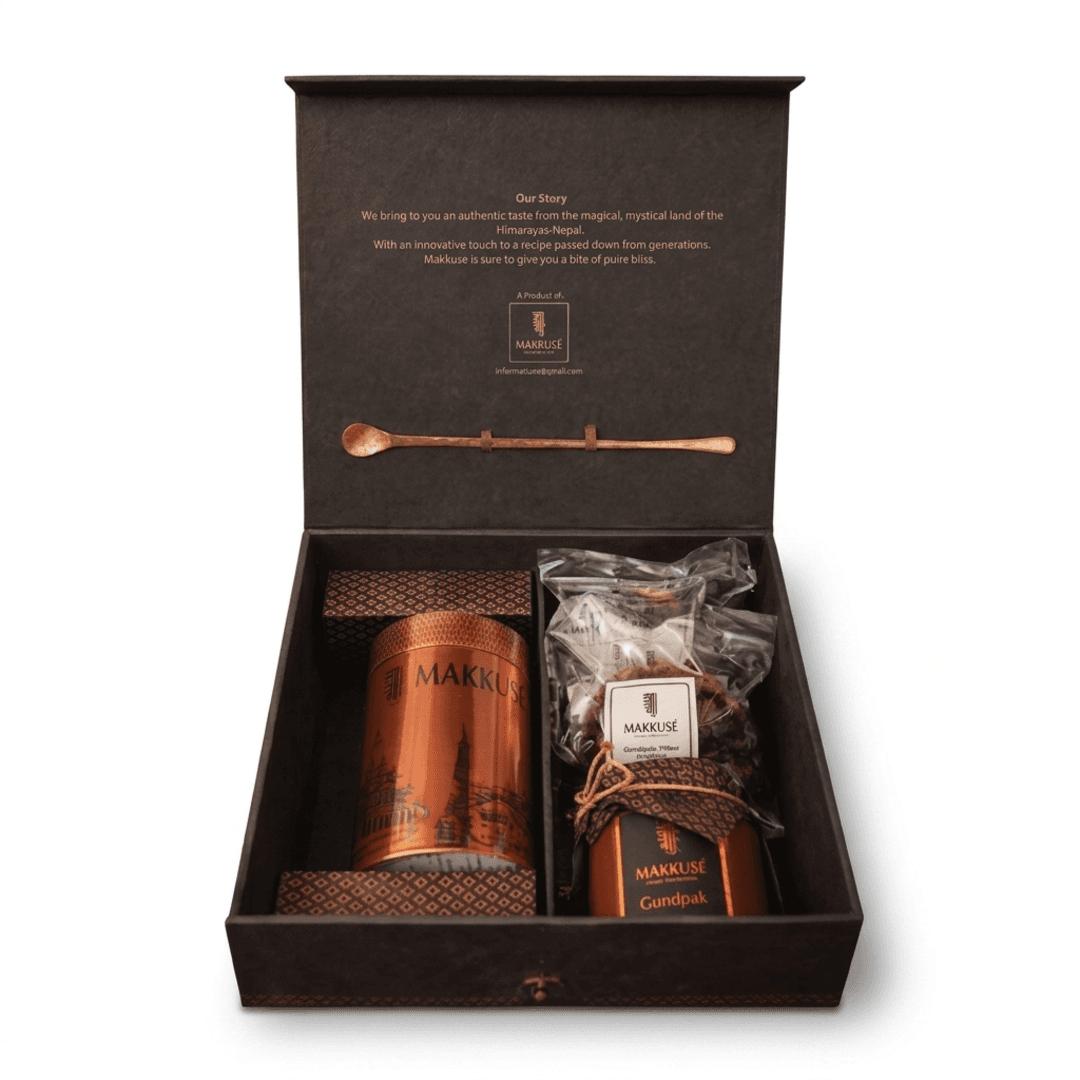
Avendi curates this category from verified Kathmandu makers — names like Chaichai for chocolate and dragées, and Makkusé for gundpak, pustakari, and Gundpak-stuffed cookies — at the maker's own price, with no tourist markup. Most arrive in gift-ready, often lokta-paper packaging, and we can deliver to your hotel or address so you skip the airport-shop premium entirely.
Shop Nepali chocolate and sweets in Kathmandu
Why authentic Nepali chocolate and sweets matter
Craft chocolate, not commodity confectionery
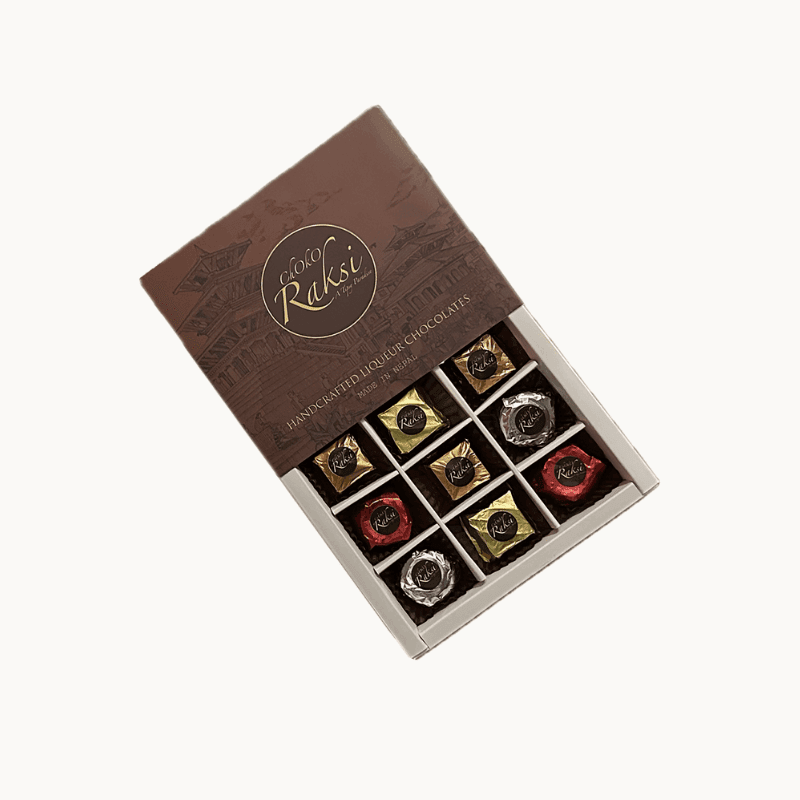
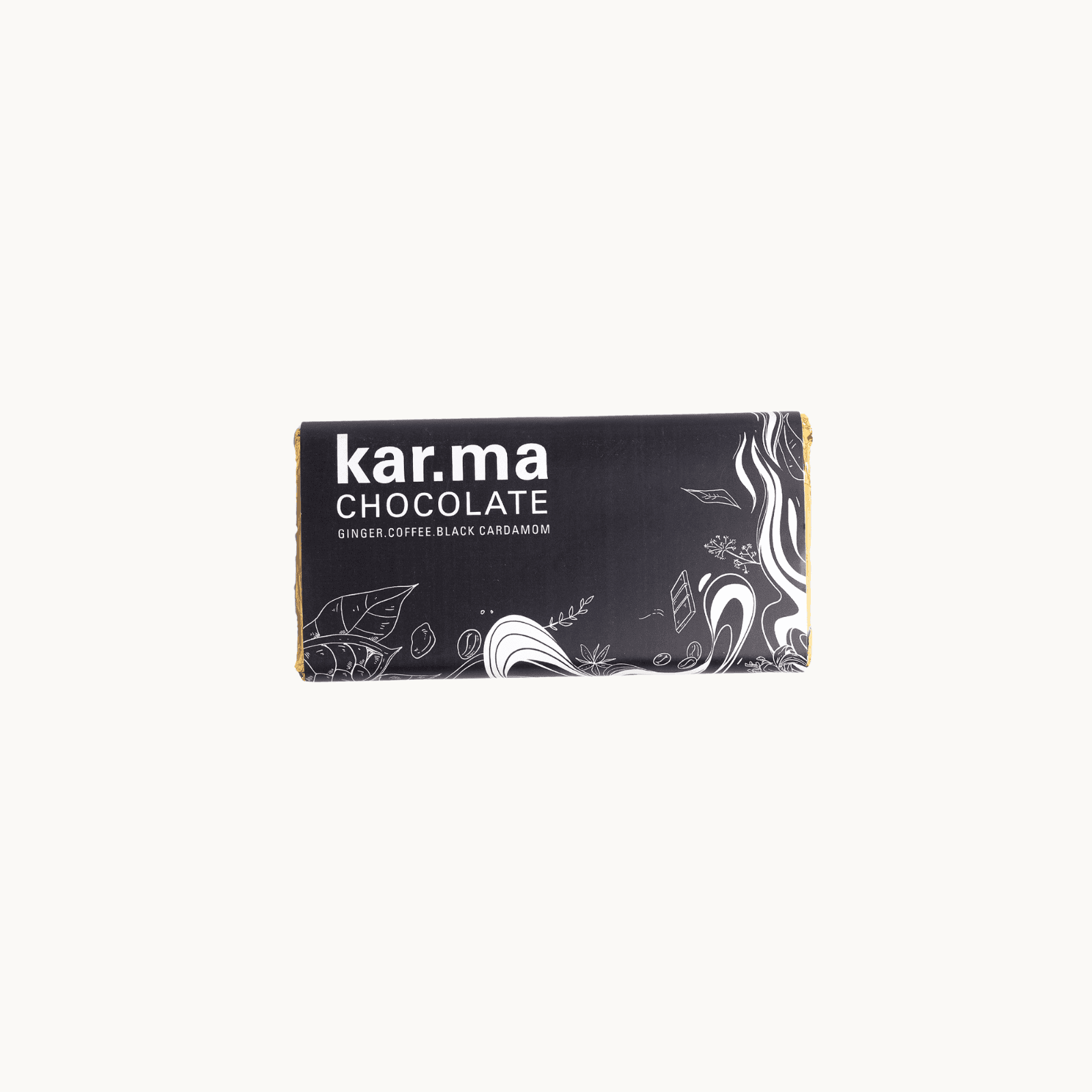
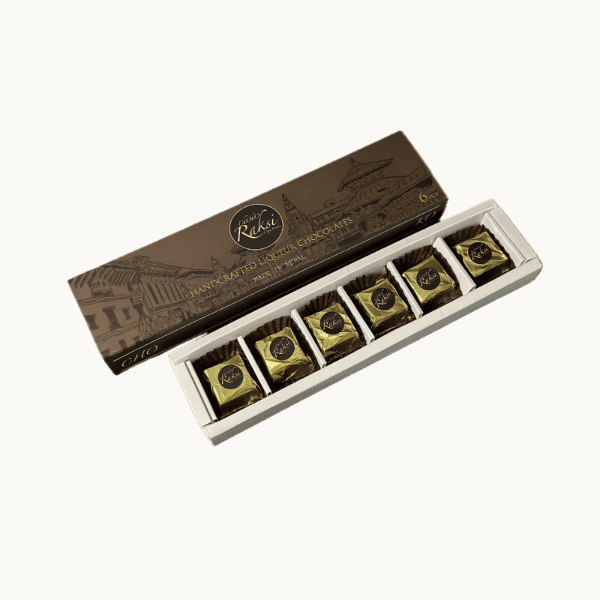
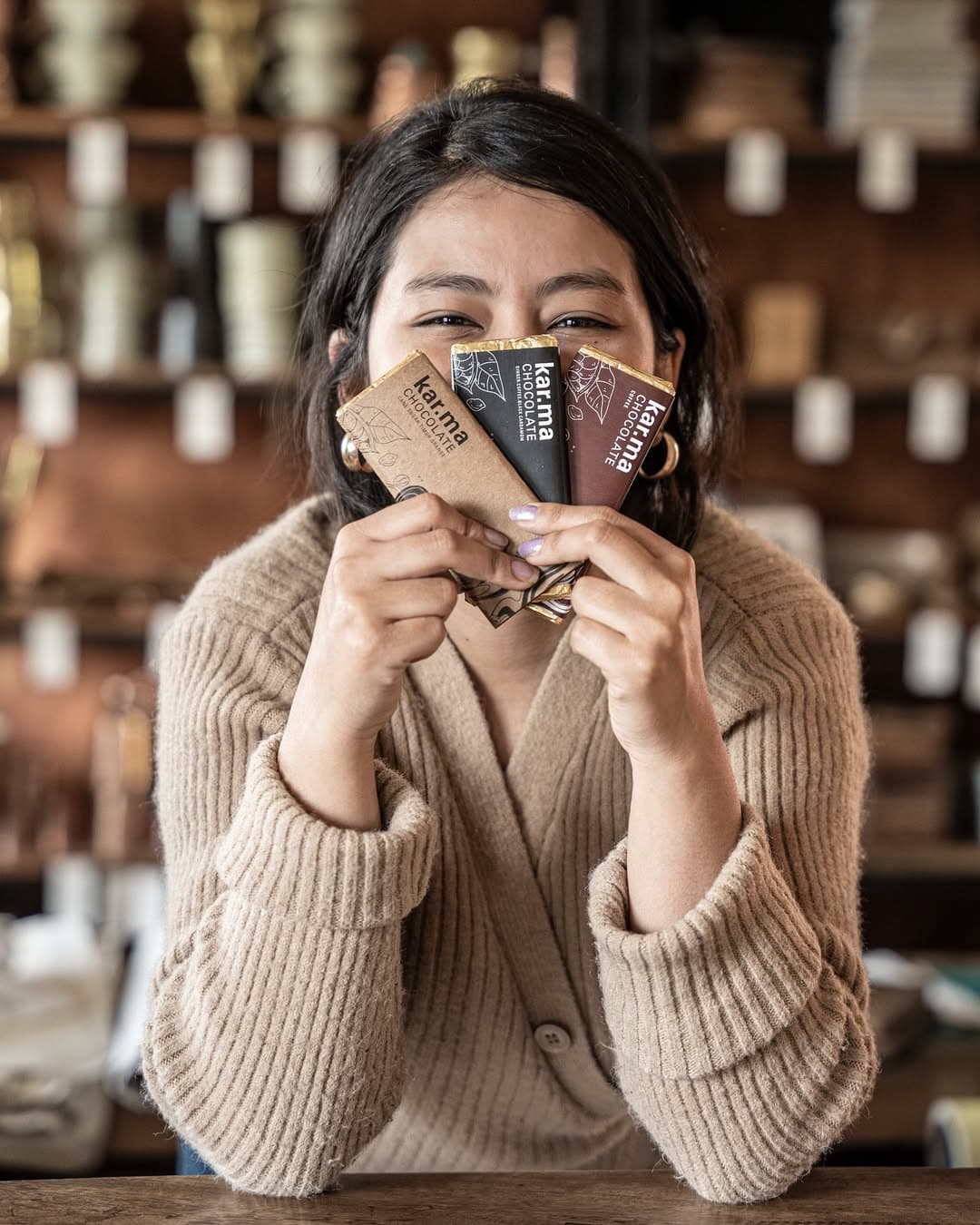
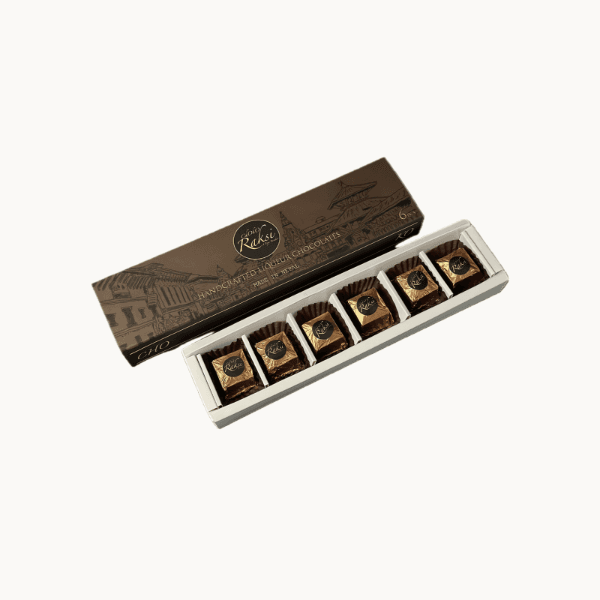
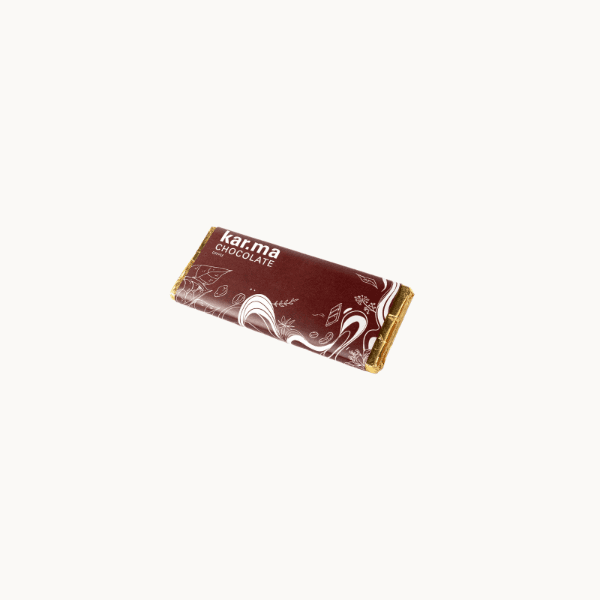
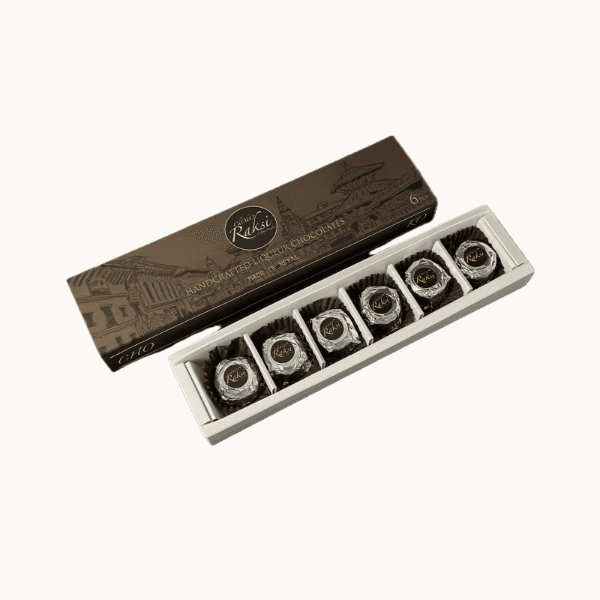
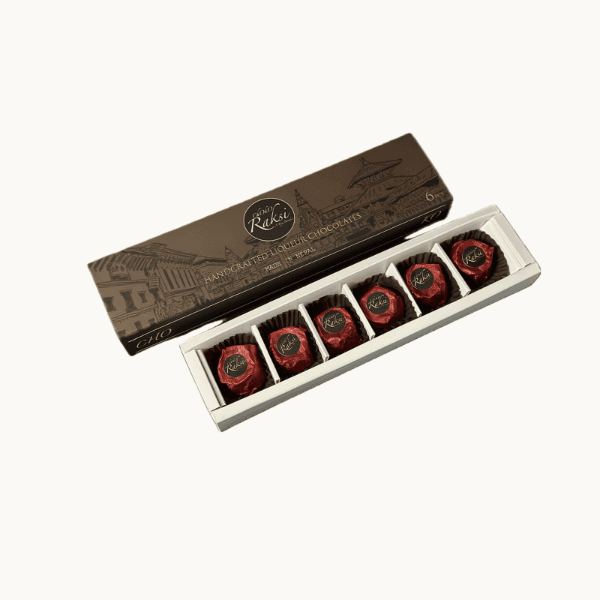
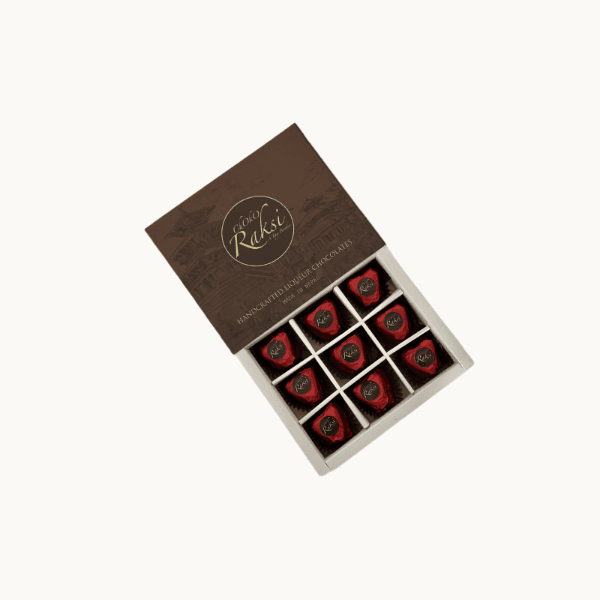
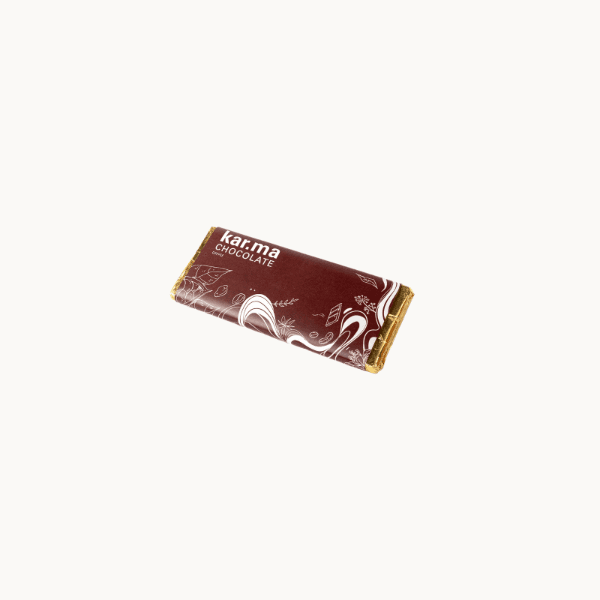
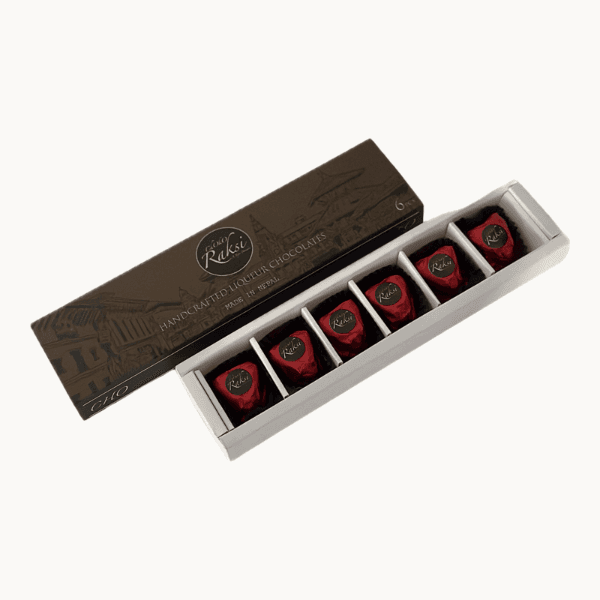
Nepal's emerging chocolate makers work in small batches — bars, chocolate-coated nut dragées, and spiced collections made and packed in Kathmandu rather than imported and re-labelled. It is a young craft scene, so character and provenance matter more than scale.
Gundpak and pustakari — Nepal's heritage sweets
Long before chocolate, Newari kitchens set khuwa (slow-reduced milk) into gundpak, a rich milk fudge often flavoured with rosewater or mocha, and pulled it into pustakari, a chewy milk-and-lemon toffee. These are festival and gifting sweets with real regional roots — not a Western import.
Verified makers, gift-ready, no markup
Instead of a single brand, we carry makers like Chaichai and Makkusé side by side, so you can pair a chocolate gift box with a jar of gundpak. Each is fulfilled by a verified vendor at the same price as their own shop, frequently in eco-friendly lokta-paper boxes built for gifting.
How Nepali chocolate and traditional sweets are made
Craft chocolate and traditional Nepali confectionery are made in completely different ways, which is why this category spans two very different shelves. Bean-to-bar chocolate starts with cocoa beans that are roasted, cracked, winnowed, then ground and conched for hours into a smooth mass before being tempered and moulded into bars — a slow, equipment-heavy process. Nepal's chocolate scene is young and largely small-batch: makers produce bars, chai- or chilli-spiced collections, and chocolate-coated dragées (nuts or seeds enrobed in successive layers of chocolate), with packaging and finishing done in Kathmandu. Because the cocoa-growing climate is limited, some makers blend imported cocoa with local roasting and recipes, so 'made in Nepal' here usually describes the craft and the maker rather than a single-origin Nepali cocoa bean — worth knowing if true single-origin matters to you.
Gundpak and pustakari come from the opposite, dairy-led tradition. Both begin with khuwa — milk slowly simmered down until it thickens into a dense solid, the backbone of South Asian milk sweets. For gundpak, the khuwa is cooked with sugar and gund (an edible gum that gives it body), then set and cut into a soft, fudge-like block, often perfumed with rosewater, pistachio, or mocha, with sugar-free versions made for diabetic-friendly gifting. Pustakari is made by working khuwa with sugar and a little lemon until it pulls into a firmer, chewy milk toffee, traditionally hand-shaped and sometimes flavoured with coffee. Both are deeply tied to Newari festivals and gifting customs.
Because gundpak and pustakari are fresh dairy sweets, they behave nothing like a shelf-stable chocolate bar. Gundpak is typically best within about three weeks and is happiest refrigerated once opened; pustakari, being firmer and lower in moisture, keeps noticeably longer — often around two months. Chocolate and dragées are more travel-friendly but heat-sensitive and can bloom or soften in transit. Each product page on Avendi lists the maker, ingredients, shelf life, and storage so you can choose between a chocolate box that survives a long flight and a jar of gundpak best eaten fresh.
Frequently asked questions about Nepali chocolate and sweets
What is gundpak?+
Gundpak is a traditional Nepali milk fudge made by slowly reducing milk into khuwa, then cooking it with sugar and gund (an edible gum) and setting it into a dense, soft block. It is often flavoured with rosewater, pistachio, or mocha, and is a classic festival and gifting sweet. Because it is a fresh dairy sweet, it is best eaten within a few weeks and refrigerated after opening.
What is pustakari?+
Pustakari is a traditional Nepali milk toffee — khuwa (reduced milk) worked with sugar and a little lemon until it sets into a firm, chewy candy, then hand-shaped into pieces. It is sometimes flavoured (coffee versions are popular) and made in diabetic-friendly variants. Being lower in moisture than gundpak, it keeps longer, typically around two months.
Is Nepali chocolate single-origin or bean-to-bar?+
Some of it is genuinely small-batch craft chocolate, but Nepal's chocolate scene is young and the picture varies by maker. A few produce bars and chocolate-coated dragées in Kathmandu; because local cocoa growing is limited, some blend imported cocoa with local roasting and recipes rather than using single-origin Nepali beans. Check the individual product page — we note the maker and what is known about sourcing rather than making blanket single-origin claims.
Which Nepali chocolate and sweet makers does Avendi carry?+
We curate across makers such as Chaichai (chocolate and chocolate-coated dragées) and Makkusé (gundpak, pustakari, and Gundpak-stuffed cookies), with other Kathmandu confectionery makers added as they pass our verification. The exact line-up shown is whatever each maker has in stock for your city.
Will the chocolate or sweets melt or spoil during delivery?+
Chocolate and dragées are heat-sensitive and can bloom or soften if they get warm, so we recommend cooler weather or prompt refrigeration on arrival. Gundpak is a fresh dairy sweet best kept cool and eaten within its shelf life; pustakari is firmer and travels better. Every product page lists shelf life and storage so you can plan around delivery and onward travel.
Are these good gifts to bring home from Nepal?+
Yes — they are among the most giftable items in the catalogue. Chocolate boxes and dragées are travel-friendly and often come in lokta-paper packaging, while gundpak and pustakari offer a distinctively Nepali sweet that most people abroad have never tried. For long journeys, favour the chocolate and pustakari (longer shelf life) over fresh gundpak, and order to your hotel so it is ready before you fly.