The Future of Souvenirs: What Travelers Actually Want
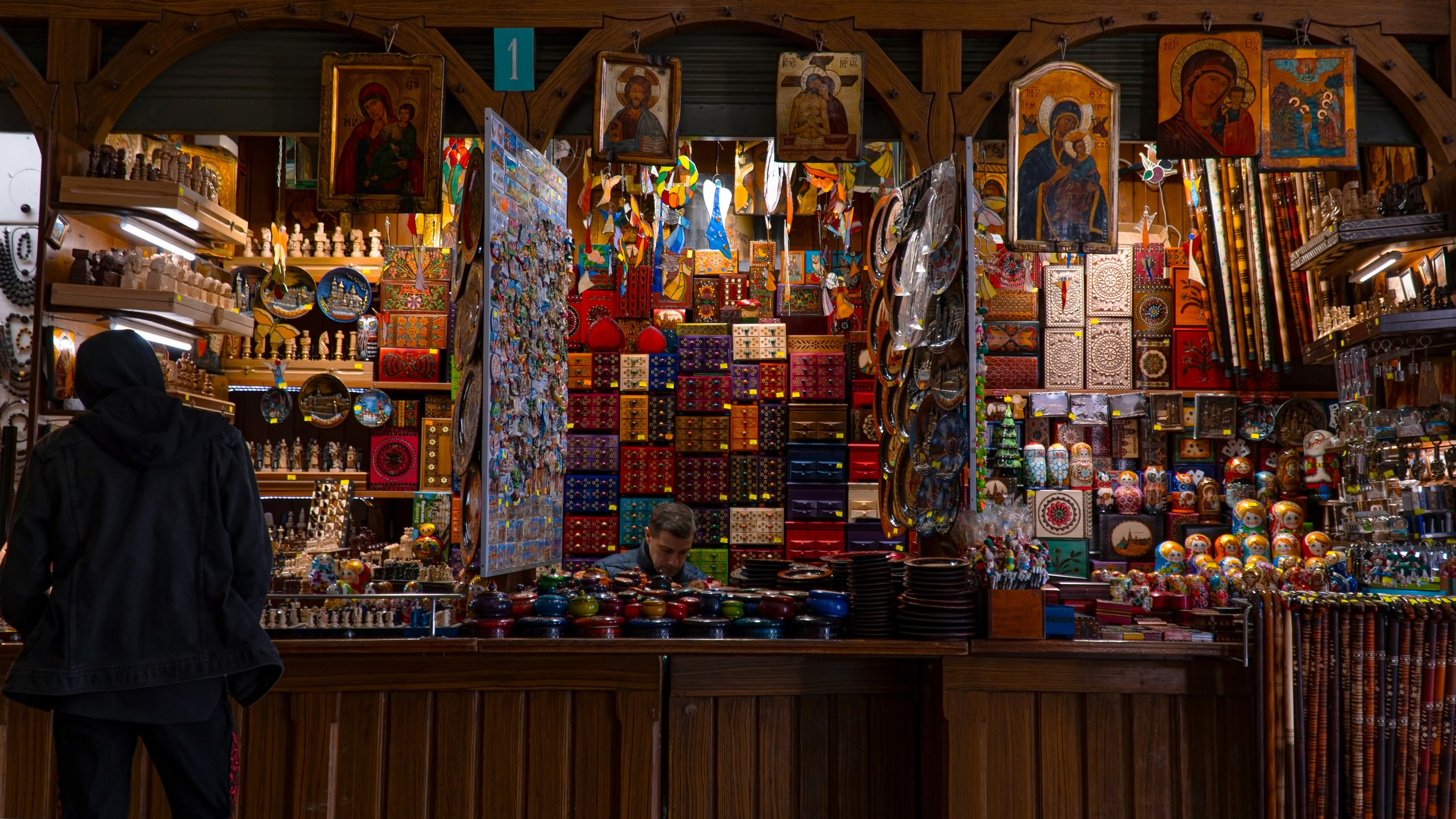
The future of souvenirs is taking shape — but for a long time, they followed a familiar formula.
Pick something up at the airport.
Grab a magnet from a gift shop.
Buy a T-shirt stamped with the name of the city.
These objects were easy to find, easy to recognize, and easy to forget.
But travel has changed. And with it, so has what people want to bring home.
Today, souvenirs are no longer just about remembering a place. They’re about connecting to it.
Table of Contents
- The Traditional Souvenir Model Is Losing Relevance
- Travelers Are Seeking Authenticity
- From Objects to Experiences
- What This Means for Destinations
- A New Model for Souvenirs
- Looking Ahead
The Traditional Souvenir Model Is Losing Relevance

The global souvenir industry has historically been built on scale.
Mass-produced items designed for tourists have dominated markets for decades. They are affordable, widely available, and easy to distribute across airports, malls, and retail stores.
But this model comes with a trade-off.
When every destination offers similar products, the sense of place begins to disappear. A souvenir from one city can start to look like a souvenir from anywhere.
For modern travelers, that lack of distinction matters.
Travelers Are Seeking Authenticity

Travel today is more intentional.
People are choosing destinations not just for landmarks, but for culture, food, and local experiences. They want to understand how people live, what they make, and what defines a place beyond its tourist attractions.
This shift extends to what they buy.
Instead of generic merchandise, travelers are increasingly drawn to:
- locally made products
- small-batch goods
- items that reflect cultural identity
- objects with a story behind them
A souvenir is no longer just a reminder, it’s a representation of the experience itself.
From Objects to Experiences

Another important shift is the growing focus on experiences over possessions.
Travelers today often prioritize:
- trying local food
- visiting markets
- meeting makers
- learning about craft traditions
In this context, souvenirs are not separate from the experience. Rather, they are part of it.
A handmade item purchased directly from a local maker carries more meaning than something picked up in transit. It becomes a continuation of the journey.
The product matters less than the story attached to it
What This Means for Destinations

As traveler expectations evolve, destinations have an opportunity to rethink how local products are presented and accessed.
Authentic souvenirs can play a role in:
- strengthening local economies
- supporting artisans and small businesses
- preserving traditional crafts
- creating a more distinct identity for the destination
When local products are visible and accessible, they contribute to a richer and more memorable travel experience.
For tourism boards and travel companies, this shift is not just cultural, it’s strategic.
A New Model for Souvenirs

The future of souvenirs is not about replacing physical products. It’s about redefining how they are discovered.
Instead of relying solely on traditional retail formats, platforms like Avendi are exploring new ways to connect travelers with local makers.
By working with a curated selection of brands in each city, Avendi focuses on:
- authenticity over volume
- curation over choice overload
- local relevance over generic appeal
Operating within city limits also allows for faster, more reliable delivery – making it easier for travelers to access local products during their trip.
The Future of Souvenirs: Looking Ahead

Souvenirs are not disappearing.
They are evolving.
From generic keepsakes to meaningful objects.
From mass-produced items to local craftsmanship.
From transactions to experiences.
As travel continues to shift toward authenticity and cultural connection, the souvenirs people choose to take home will reflect that change.
And the destinations that embrace this shift will be the ones that leave a lasting impression.
Bring authentic local souvenirs to your guests
Avendi partners with hotels and travel brands to offer guests same-day delivery of locally made products — no inventory, no retail space, no operational lift.