Why Hotels Should Care About Souvenirs Again
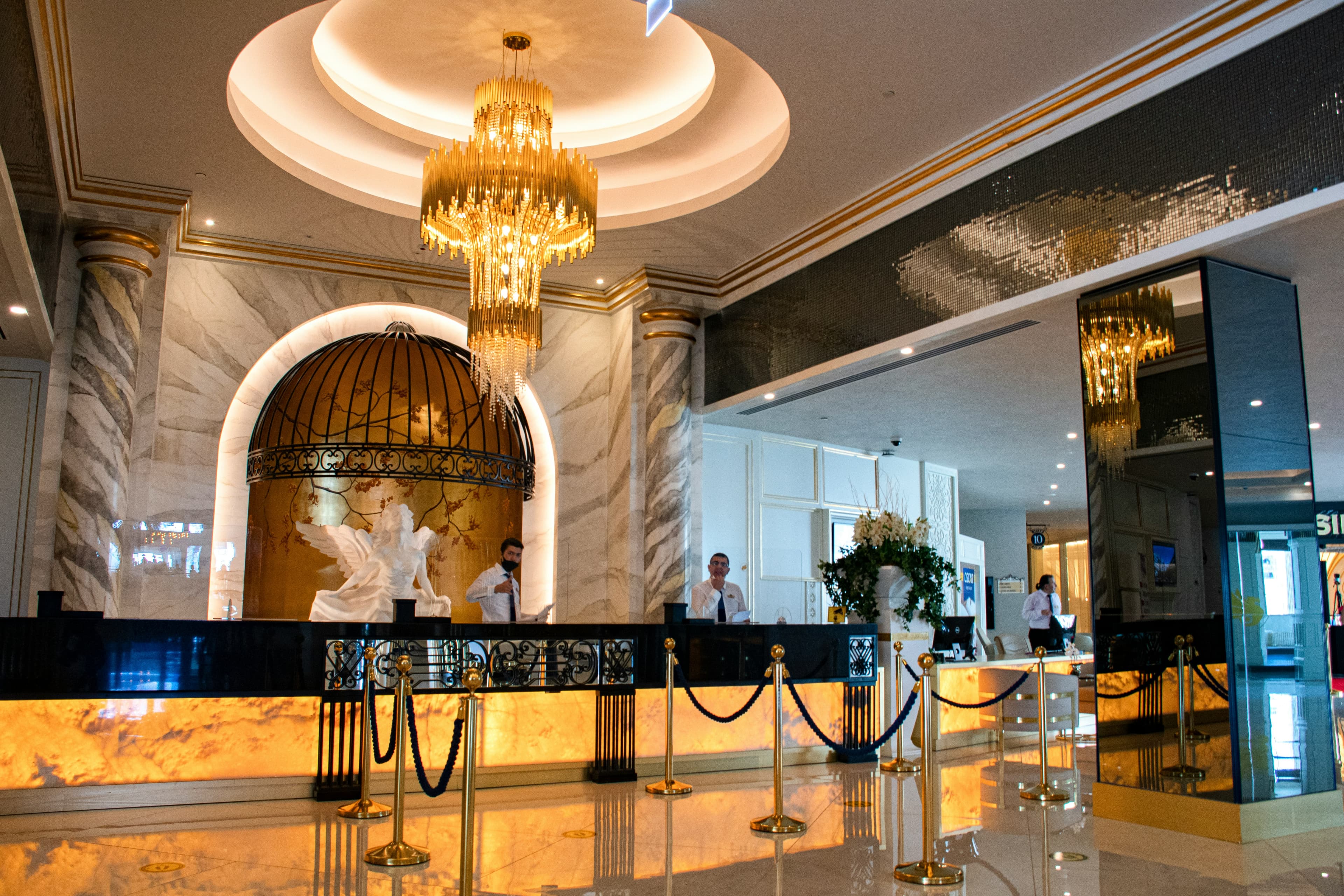
For decades, the hotel gift shop was a familiar part of the travel experience. Tucked near the lobby or reception desk, these small retail spaces promised guests a convenient way to bring a piece of their trip home.
But somewhere along the way, the hotel gift shop lost its relevance.
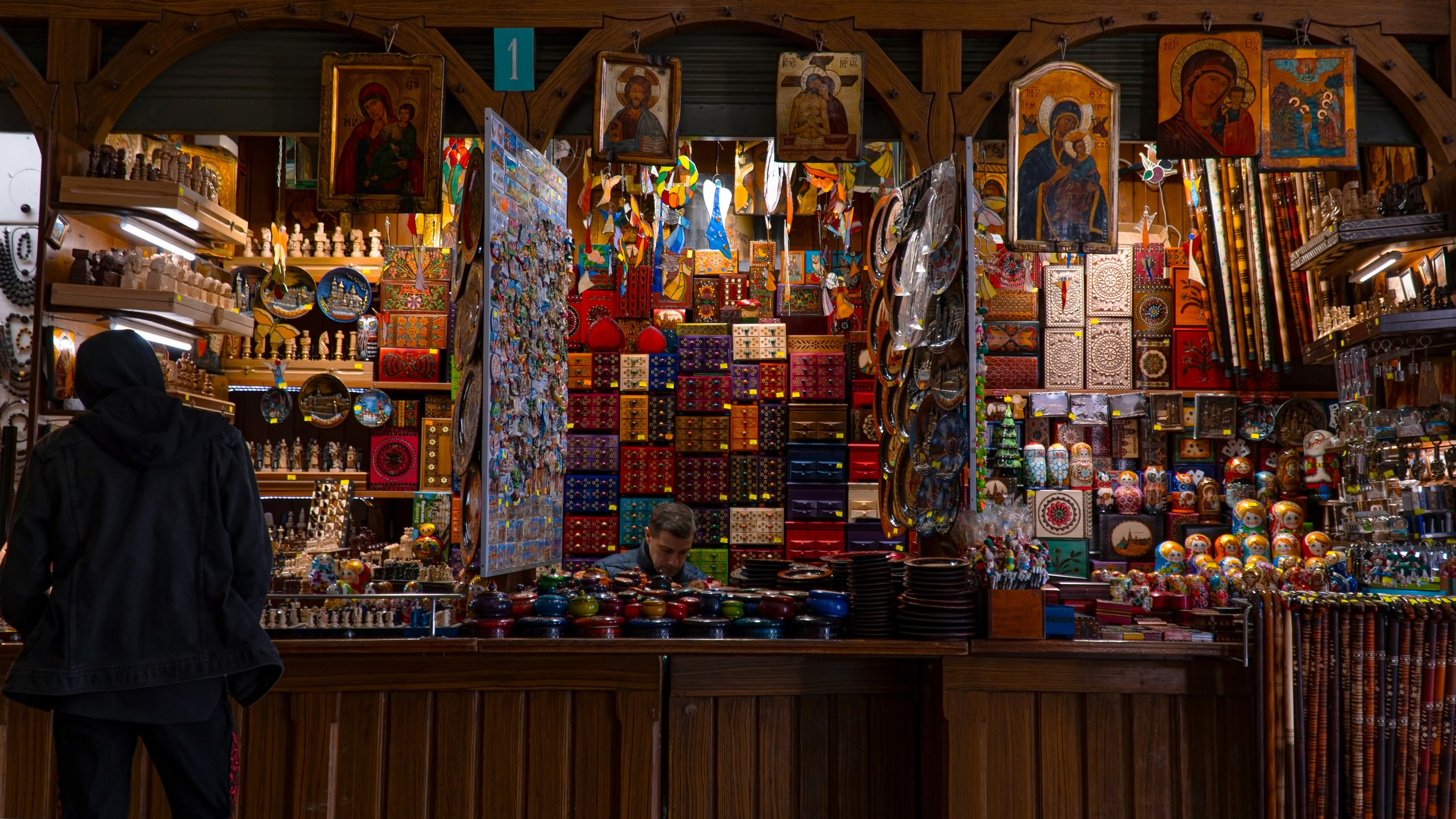
Today, many hotel retail spaces are overlooked by guests, filled with generic merchandise that could belong in almost any city. Meanwhile, travelers increasingly look elsewhere (local markets, artisan boutiques, and curated cultural shops) to find souvenirs that feel meaningful.
This shift presents an opportunity. Because when done thoughtfully, souvenirs are not just retail, they are an extension of the guest experience.
Table of Contents
- The Decline of the Traditional Hotel Gift Shop
- What Modern Travelers Are Looking For
- Why Local Products Matter
- A Missed Opportunity for Hotels
- A New Model for Local Souvenirs
- Souvenirs as Part of the Guest Experience

The Decline of the Traditional Hotel Gift Shop
Traditional hotel gift shops often struggle for a few common reasons:
- products feel generic rather than local
- pricing is often higher than nearby stores
- items lack connection to the destination itself
As a result, many travelers skip them entirely. Guests today are more curious and more informed. They want to explore local culture rather than purchase mass-produced keepsakes.
But this doesn’t mean souvenirs have lost their importance. In fact, the opposite is true.
Souvenirs still play a powerful role in how travelers remember a place.
What has changed is what travelers want to bring home.
What Modern Travelers Are Looking For
Today’s travelers are less interested in generic memorabilia and more interested in objects with meaning.
They look for products that reflect the culture of the place they visited – items that feel authentic, handcrafted, or locally produced.
This might be:
- handmade textiles
- artisan jewelry
- local snacks and treats
- small design objects
- culturally inspired crafts
In other words, travelers increasingly want souvenirs that tell a story.
And when hotels help guests discover these kinds of products, they become more than accommodation providers, they become curators of local culture and experience.
Why Local Products Matter

Supporting local products benefits more than just the traveler.
It also supports the broader tourism ecosystem.
When travelers purchase locally made items:
- local artisans gain exposure and income
- traditional crafts are preserved
- destinations develop stronger cultural identities
For travelers, the experience becomes richer. Instead of buying something generic at the airport, they leave with something that reflects the place they visited.
For hotels, this presents an opportunity to connect guests with local culture in a meaningful way.
A Missed Opportunity for Hotels
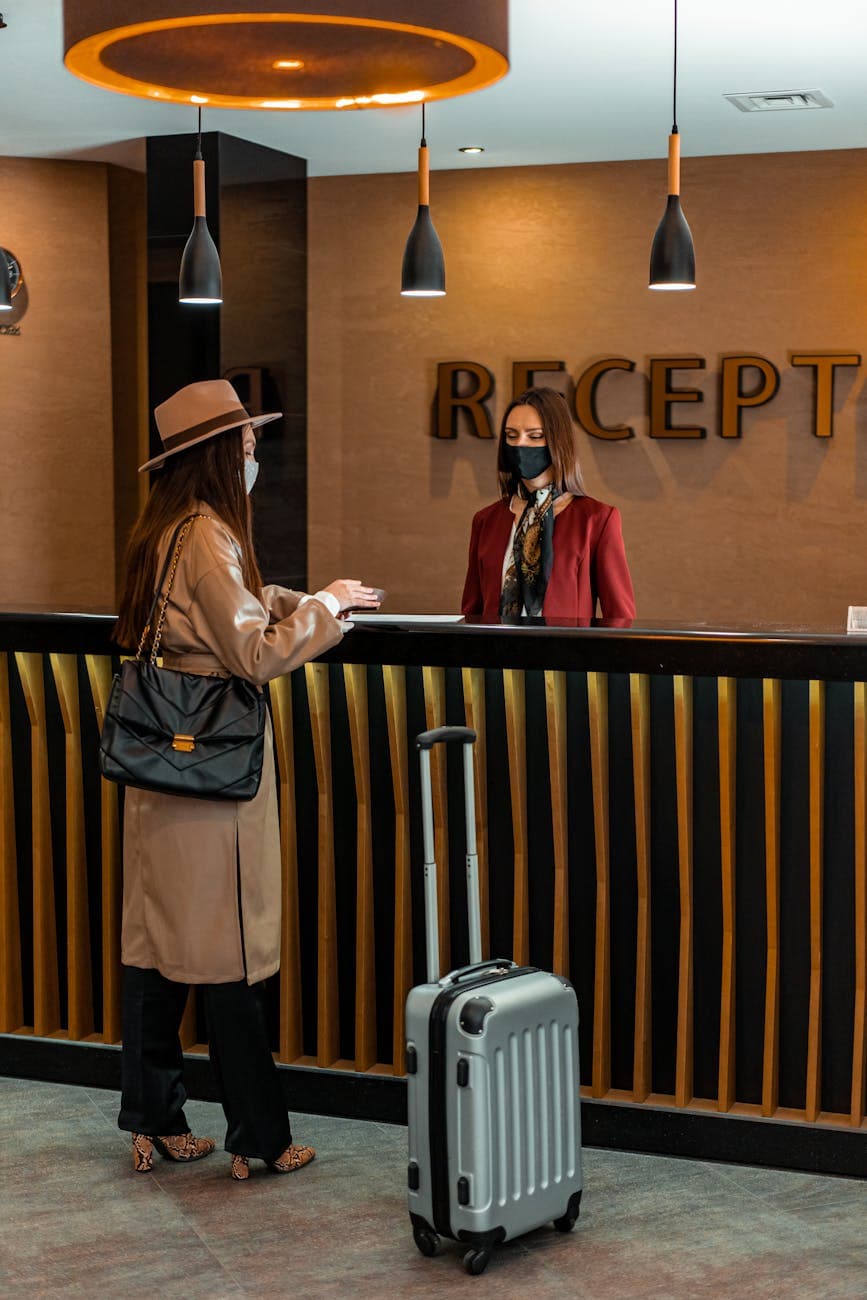
Hotels are uniquely positioned to introduce guests to local makers and products.
Guests already rely on hotels for recommendations on where to eat, what to see, what to experience in the city. Retail can become a natural extension of that advisory role.
But many hotels avoid retail because managing it is complex.
Running a traditional gift shop requires:
- inventory management
- supplier relationships
- storage space
- staffing and operations
For many hotels, this creates more operational complexity than value.
Which is why many simply choose not to engage with it at all.
A New Model for Local Souvenirs
What if hotels could introduce guests to authentic local products without managing the retail themselves?
That’s the model Avendi is building.
Avendi connects travelers with curated local brands in each city, allowing guests to discover meaningful souvenirs from the places they visit. Instead of stocking inventory, hotels can simply introduce guests to local makers through a digital marketplace designed specifically for travelers.
Because Avendi operates within city limits, it works with local vendors and delivery partners to ensure products reach customers quickly – often within 24 hours.
The result is a retail experience that feels both local and convenient.
Souvenirs as Part of the Guest Experience

Travel is ultimately about memories.
And souvenirs (when thoughtfully curated) are physical reminders of those memories.
For hotels, reconnecting guests with authentic local products isn’t just about retail revenue. It’s about enriching the guest experience and supporting the local communities that make each destination unique.
The traditional hotel gift shop may be fading.
But the idea behind it, helping travelers take a piece of their journey home, is more relevant than ever.
Bring authentic local souvenirs to your guests
Avendi partners with hotels and travel brands to offer guests same-day delivery of locally made products — no inventory, no retail space, no operational lift.