Okinawan Butterfly Pea Tea — Ryukyu Blue Tea
Butterfly pea tea — known in Okinawa as Ryukyu blue tea — is a caffeine-free herbal infusion brewed from the deep-blue petals of the Clitoria ternatea flower. Add a squeeze of citrus and the cup shifts from indigo to violet to pink, which is why it's as much a keepsake to bring home as a drink.
Avendi lists butterfly pea tea and color-changing syrups from verified Okinawan makers, at the price locals pay — no tourist markup — delivered same-day to wherever you're staying.
Shop butterfly pea tea in Okinawa
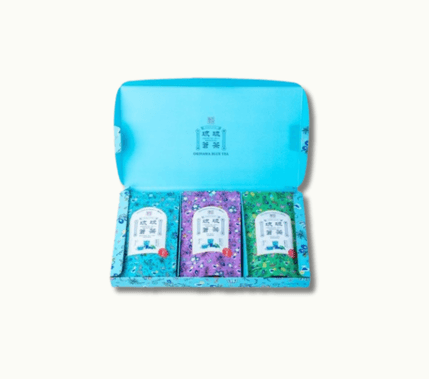
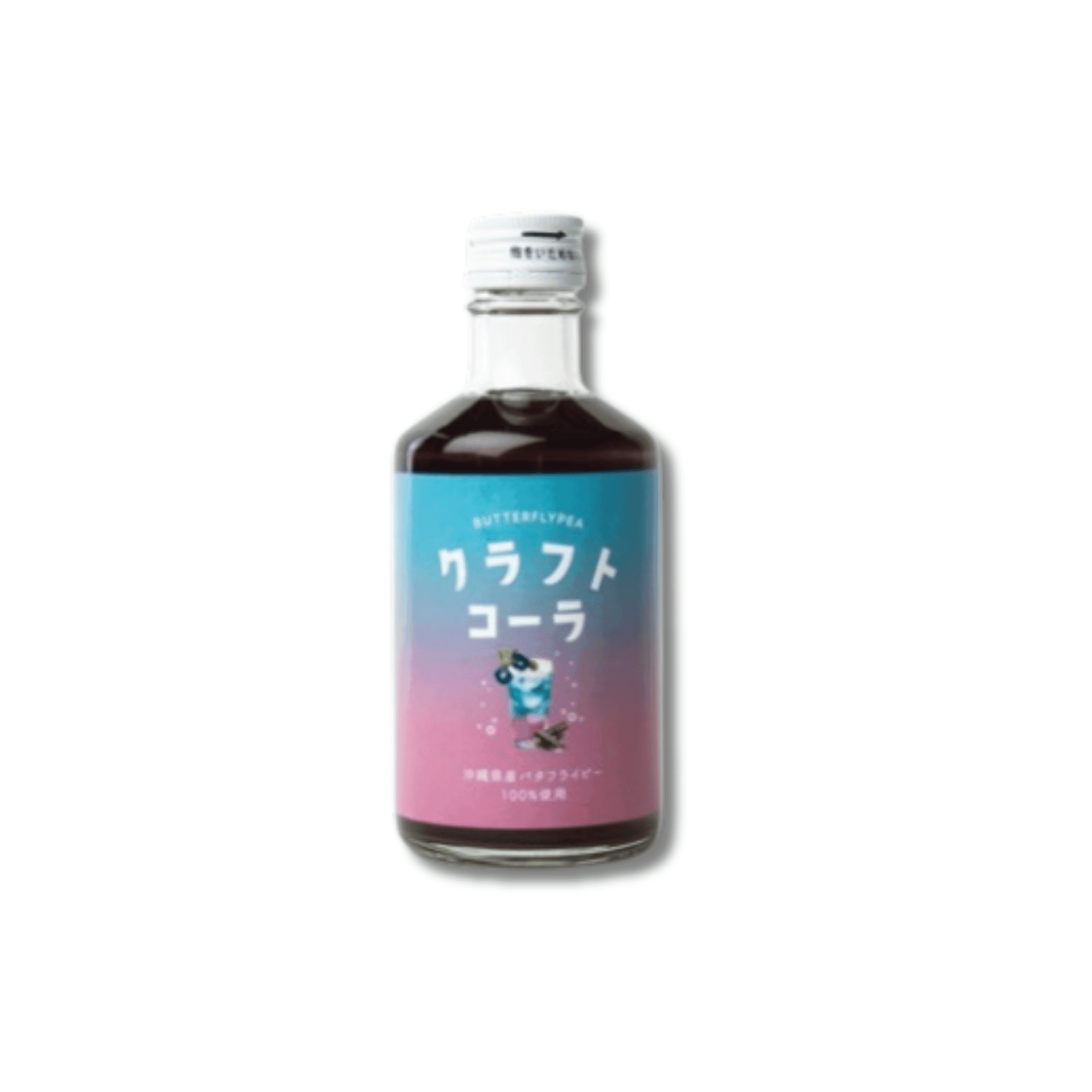
Why Okinawan butterfly pea tea makes a good souvenir
The colour-changing party trick
The anthocyanins in the petals are pH-sensitive: pour the blue tea over ice and add lemon and it turns purple, then pink. It photographs beautifully and makes a memorable gift that carries an Okinawa story, not a generic magnet.
Caffeine-free and travel-friendly
Butterfly pea is a herbal flower tea with no caffeine, so it packs and gifts well for any recipient. Dried petals and small syrup bottles are light, sealed, and survive a suitcase far better than perishable souvenirs.
From verified Okinawan makers
Every listing comes from a KYB-verified local maker and is priced at the local rate — the same price an Okinawa resident pays — with no tourist mark-up added between the workshop and your door.
What butterfly pea tea is and how to brew it
Butterfly pea tea is made from the dried petals of Clitoria ternatea, a vine native to tropical Asia and widely grown across Okinawa and Southeast Asia. Steep a few dried flowers (or a tea bag) in hot — not boiling — water for three to five minutes and you get a vivid cobalt-blue, near-flavourless infusion with a faint earthy, woody note similar to a mild green tea. It is naturally caffeine-free, which is why it is often served in the evening or to children, and why it travels and gifts so well.
The colour change is the signature: the blue pigment is an anthocyanin that shifts with acidity. Add lemon or lime juice and the cup turns purple and then magenta-pink in front of you; add it to lemonade or a clear soda and you get a layered blue-to-pink drink. Avendi also lists a butterfly pea color-changing syrup (a craft-cola style concentrate) for the same effect in cocktails and mocktails without brewing.
Butterfly pea tea benefits and taste
Butterfly pea has a long history in traditional Southeast Asian and Ayurvedic use, and modern interest centres on its anthocyanin antioxidants. It is commonly searched alongside questions about skin, hair, and general wellbeing; the evidence is preliminary and Avendi makes no medical claims — we list authentic Okinawan product and let the flower speak for itself. Treat it as a caffeine-free everyday tea rather than a remedy.
On taste: on its own butterfly pea tea is very mild and slightly earthy — most people drink it for the colour and the antioxidants rather than a strong flavour, which is why it is usually paired with lemongrass, honey, lemon, or served as a base for lemonade and cocktails. That mildness is an advantage in a gift: it suits almost any recipient.
Frequently asked questions about butterfly pea tea
Why is Okinawan butterfly pea tea called Ryukyu blue tea?+
It's the same flower (Clitoria ternatea), grown and blended in the Ryukyu Islands and sold locally as Ryukyu blue tea. The name refers to the vivid blue brew and the Okinawan origin — it's a regional identity, not a different plant.
Does butterfly pea tea really change colour?+
Yes. The blue petals contain pH-sensitive anthocyanins. Brewed, it's deep blue; add anything acidic (lemon, lime) and it turns purple then pink. The color-changing syrup we list does the same in clear drinks without brewing.
Does butterfly pea tea contain caffeine?+
No. It's a herbal flower infusion with zero caffeine, which is why it's popular in the evening, for children, and as a travel-friendly gift.
How do I brew butterfly pea tea, and what does it pair with?+
Steep about 5–6 dried flowers (or one tea bag) per 240 ml / 8 oz of hot water just off the boil, around 95–97°C, for three to five minutes — you'll get a vivid cobalt-blue cup with a faint earthy note. Its mild flavour makes it a great canvas: it pairs well with lemon or honey, and with aromatics like lemongrass, mint, ginger, or a cinnamon stick. Add citrus and it shifts blue → violet → magenta as the pH drops; a pinch of baking soda pushes it toward green.
Can I use butterfly pea tea as a natural food colouring?+
Yes — the brewed blue infusion is a popular all-natural colourant. Use it for blue rice, layered cocktails and mocktails, jellies, or pastel icing, with no artificial dye. Because the pigment is pH-reactive, a squeeze of lemon or lime turns it purple or pink, which makes for striking colour-changing drinks.
Are there any side effects or precautions?+
For most people butterfly pea tea is very safe and caffeine-free. Because robust research is limited, it's commonly advised that those who are pregnant or breastfeeding avoid it, and anyone on blood-thinning or diabetes medication should check with their doctor first. Avendi makes no medical claims — enjoy it as an everyday tea rather than a remedy.
Will it survive the trip home?+
Yes — dried petals, tea bags, and sealed syrup bottles are light and shelf-stable, which is exactly why butterfly pea tea is one of the better Okinawa souvenirs to carry back.