Singapore kopi — the strong, charcoal-roasted local coffee brewed through a cotton sock-filter in a kopitiam — has its own vocabulary. Kopi O (black, no milk), Kopi C (evaporated milk, sugar), Kopi O Siew Dai (black, less sugar), Kopi Siew Dai (with condensed milk, less sugar). Every order is a code. This page collects Singapore kopi gifts that let you take the kopitiam back to a hotel room or home — Killiney's sachet blends plus NOM's kopi-themed ceramics.
Killiney Kopitiam has been running since 1919, making it one of the oldest coffee houses in Singapore. Its packaged kopi — Premium Kopi-O Siew Dai, Classic SG Black Coffee bundles, 2-in-1 and 3-in-1 Premium White Coffee, even Laksa Paste from the same kitchen — is in the catalogue below alongside NOM's Kopibag Mug and the Kopitiam Mug Shot Glass set.
Traditional SG kopi beans are roasted almost black — often with sugar and margarine mixed in during roasting, which gives the brew its signature thick, slightly caramel body. That roast profile is why kopi doesn't taste like Western specialty coffee even when the bean origin is similar.
Real kopitiam kopi is brewed by pouring boiling water through ground coffee in a cotton sock-filter, then letting it steep. Killiney's packaged product is designed to replicate that taste with sachet-level convenience — the closest at-home equivalent you can put in a suitcase.
Killiney has been in business at 67 Killiney Road since 1919. Giving a Killiney gift isn't giving generic coffee — it's giving a specific piece of Singapore's food heritage to someone who'll recognise the name.
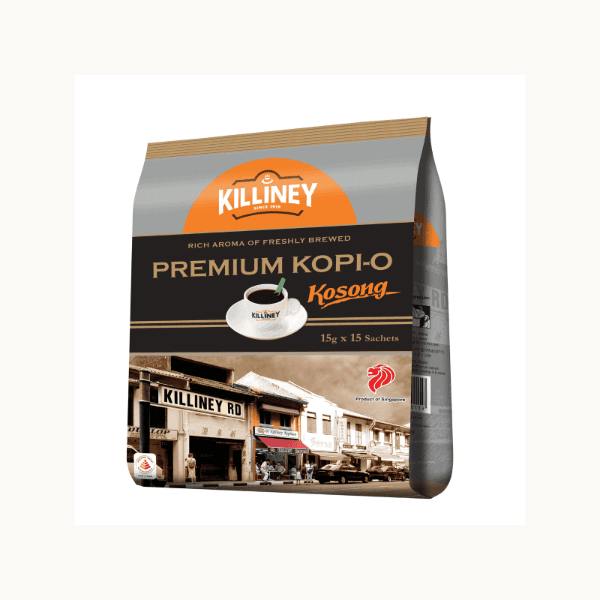
Ordering kopi in a Singapore kopitiam means using the local dialect. Kopi on its own — strong sock-brewed coffee with condensed milk and sugar, the default order. Kopi O — same coffee, no milk (the O comes from Hokkien 烏 meaning black), sugar still in. Kopi C — coffee with evaporated milk and sugar instead of condensed (the C is from Hainanese 鮮 for fresh). Then the modifiers stack on top: Siew Dai (less sweet), Gah Dai (extra sweet), Kosong (no sugar at all), Gao (stronger brew), Po (weaker), Peng (iced). So Kopi O Siew Dai is black coffee, less sugar. Kopi C Kosong is coffee with evaporated milk, no sugar. The whole grammar is built for shorthand in a fast hawker centre.
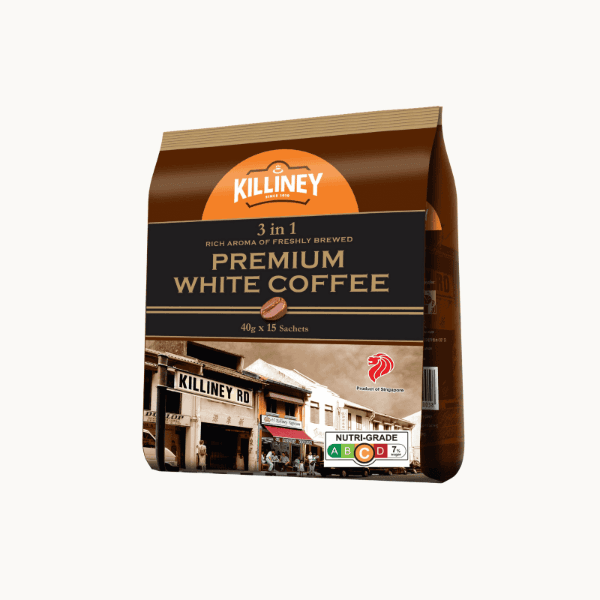
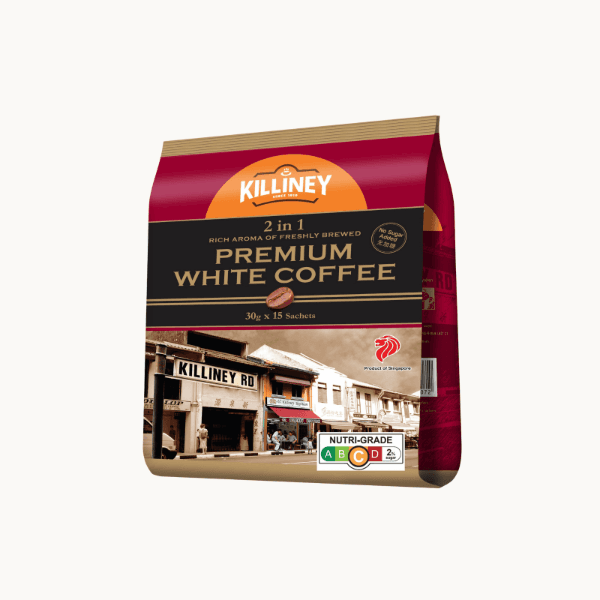
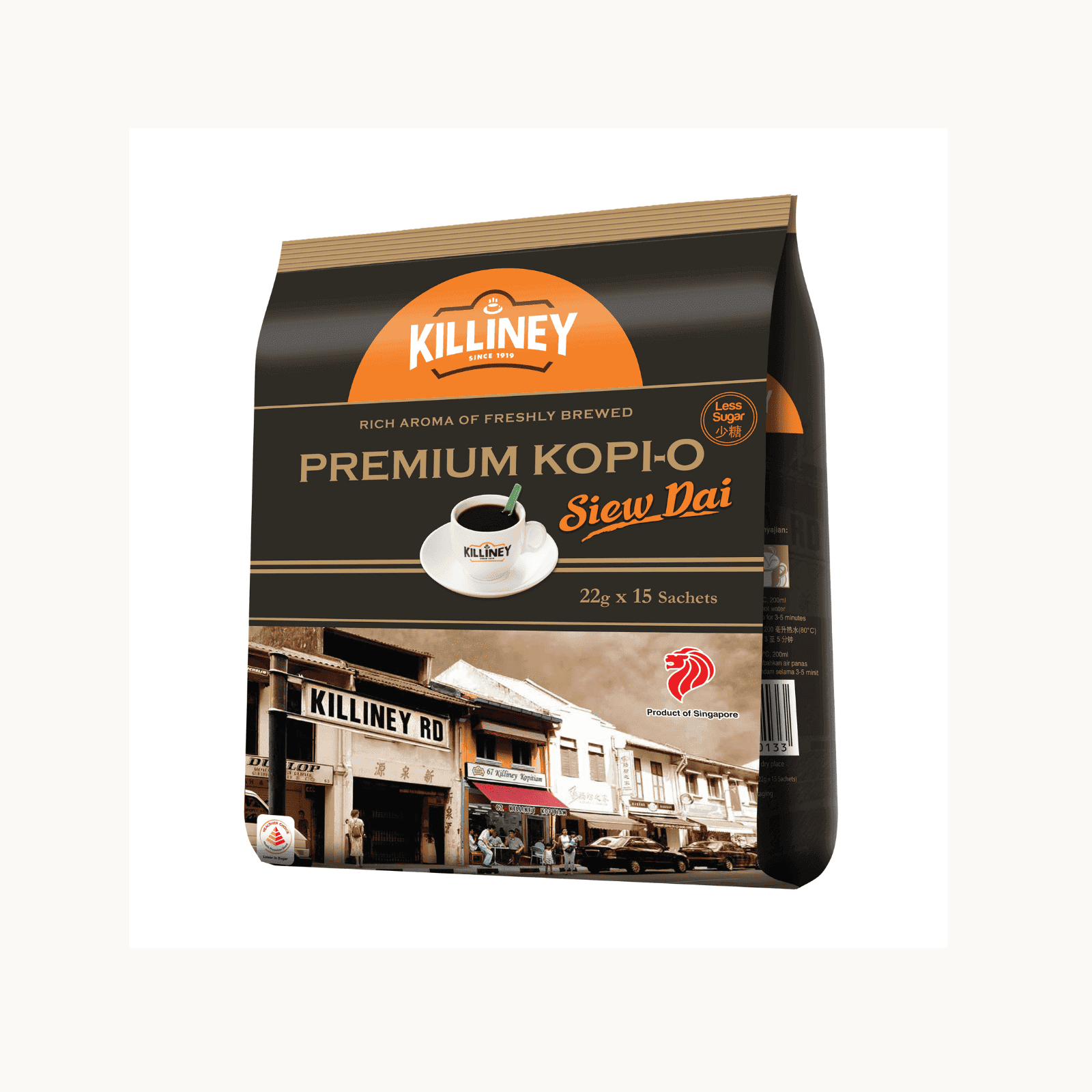
Killiney's packaged range maps directly onto the common orders. Premium Kopi-O Siew Dai (the most popular order in modern kopitiams), Classic SG Black Coffee bundle (the kopi-o template for home brewing), 2-in-1 and 3-in-1 Premium White Coffee (white coffee is the Ipoh-style milkier preparation, less common but distinctively South-East Asian). Each is a retail format you can take home and recreate the kopitiam experience without needing a sock filter or a kopitiam apprenticeship.
Real kopitiam kopi is brewed through a cotton cloth filter known locally as a kopi sock. The roaster grinds the beans coarse, packs the ground coffee into the cotton sock, then pours boiling water through it and lets the brew steep in a metal pot kept warm. The result is thick, dense, and slightly oily — closer to French press body than drip filter. The beans themselves are roasted almost black, often with sugar and margarine added during the roast, which caramelises and gives the brew its signature heavy mouthfeel. That's why Singapore kopi tastes nothing like Western specialty coffee even when the bean origin overlaps.
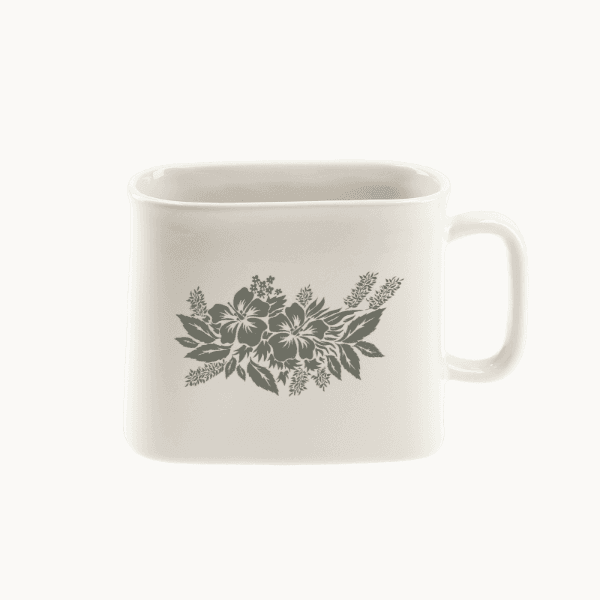
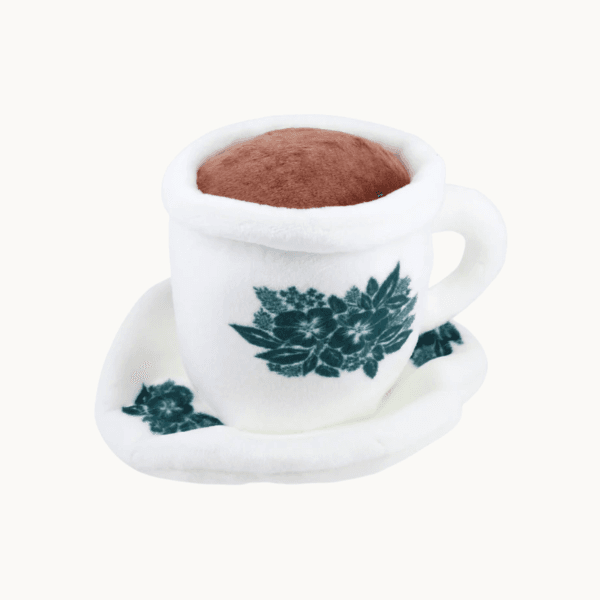
The home-brew version takes a few tries to get right. Killiney's sachet format does the heavy lifting — pre-blended at the right ratio so you only add hot water — but if you want to attempt the real thing, the NOM Kopibag Mug references the iconic plastic-bag-with-string that kopitiams use for takeaway. A kopi kit makes a good gift because it gives the recipient both the drink and the ritual, not just a bag of coffee.
Killiney Kopitiam has operated at 67 Killiney Road since 1919 — over a hundred years of continuous Singapore coffee culture in one address. It started as a Hainanese coffee shop serving local breakfast and slowly became one of the city's defining kopi institutions. The original 1919 location still operates today, alongside a chain of Killiney outlets across Singapore and the region. The packaged kopi (Premium Kopi-O Siew Dai, Classic SG Black Coffee, Laksa Paste from the same kitchen) is the retail extension of that century-long brewing tradition.
Giving a Killiney gift isn't giving generic coffee — it's giving a specific piece of Singapore's food heritage to someone who'll recognise the name. The packaging carries the heritage branding; the brew tastes like what a Singapore resident actually drinks every morning. Pair the Premium Kopi-O Siew Dai with a NOM Kopibag Mug and you've assembled a complete kopi-in-a-box: the drink, the vessel, and a small piece of the ritual.
Kopi = coffee, O = without milk (from Hokkien 烏 for black), Siew Dai = less sweet. So Kopi O Siew Dai is black coffee with less sugar. The SG kopi lexicon fills in the rest: Kopi C uses evaporated milk, Kopi (plain) is with condensed milk, Gao means stronger, Po means weaker, Kosong means no sugar at all. Killiney's packaged range lets you buy pre-mixed versions of the common orders.
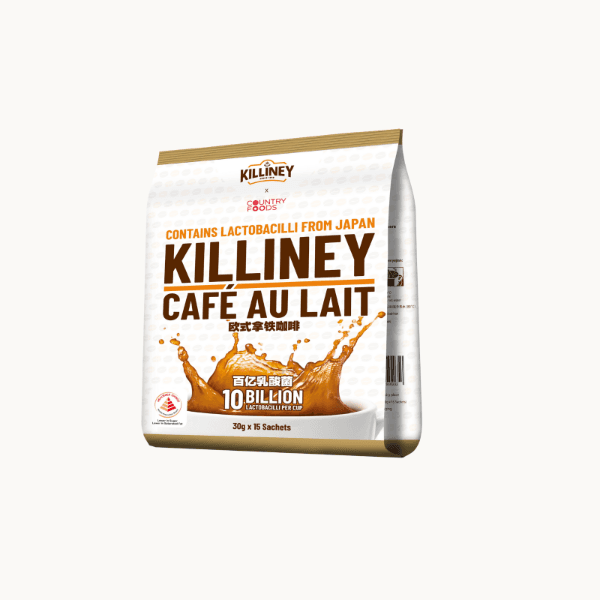
3-in-1 includes coffee, creamer, and sugar in one sachet. 2-in-1 has coffee and creamer — add your own sugar to taste. Both are instant sachets designed for hot water; both use Killiney's signature white-coffee roast.
Yes — sealed retail sachets in their original packaging are accepted in both checked and (in most jurisdictions) carry-on luggage. Kopi-O Siew Dai and the Classic SG Black Coffee bundle are the most compact formats.
It's a working ceramic mug. The 'kopibag' design refers to the traditional plastic-bag-with-string that kopitiams use to do takeaway coffee — NOM's mug reinterprets that bag as a ceramic mug you can use daily.
If they liked the kopitiam experience specifically, the Premium Kopi-O Siew Dai or the Classic SG Black Coffee bundle will read as a thoughtful nod to their trip. For someone who wants a Singapore visual gift more than a caffeine-intensive drink, the Kopibag Mug or Kopitiam Mug Shot Glass set are better. Combining one of each makes a complete kopitiam-in-a-box.
Singapore coffee gifts split into two paths. The traditional kopitiam route is dark-roasted Nanyang kopi — Killiney (the 1919 Killiney Road institution), Toast Box, and OldTown-style 3-in-1 white coffee sachets — robust, nostalgic, and inexpensive. The luxury route is modern specialty coffee, best known through Bacha Coffee: 100% Arabica in gold-embossed gift boxes at a premium price. Avendi focuses on the authentic kopitiam side: Killiney's packaged Kopi-O Siew Dai and Classic Black blends plus NOM's kopi-themed ceramics, delivered same-day to your hotel at the local price — the heritage taste residents actually drink, not the airport luxury tin.
![[Bundle Of 4] Killiney Classic Singapore Black Coffee](/_next/image?url=https%3A%2F%2Favendi-marketplace-production.s3.ap-southeast-1.amazonaws.com%2Fapi.np-local.avendi.me%2Fproducts%2F668f8cc287ebab548102df83%2F%255BBundle%2520Of%25204%255D%2520Killiney%2520Classic%2520Singapore%2520Black%2520Coffee-1764053912656.png&w=3840&q=75)
![[Festive Edition] Killiney Coffee Lover Gift Box](/_next/image?url=https%3A%2F%2Favendi-marketplace-production.s3.ap-southeast-1.amazonaws.com%2Fapi.np-local.avendi.me%2Fproducts%2F668f8cc287ebab548102df83%2F%255BFestive%2520Edition%255D%2520Killiney%2520Coffee%2520Lover%2520Gift%2520Box-1764053962945.png&w=3840&q=75)