Butterfly Pea Tea Benefits: What Okinawa’s Blue Tea Can (and Can’t) Do
Shop this story on Avendi
See all →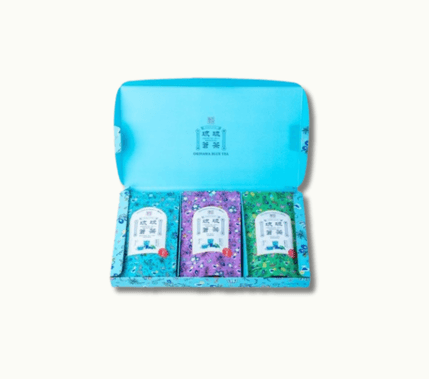
Pour hot water over a pinch of dried blue flowers and you get one of the most photogenic drinks on earth: a deep indigo cup that turns violet, then pink, the moment you add a squeeze of citrus. That colour-changing party trick is why butterfly pea tea benefits are searched millions of times a year, and why the flower has become a signature blue souvenir in Okinawa. However, a lot of what gets said about this tea runs well ahead of the science.
So this guide sorts the real from the hype. We cover what butterfly pea tea actually is, why it changes colour, how Okinawa turned a Southeast Asian flower into its own blue tea, and — most importantly — what the evidence really shows about the health claims. We also cover how to brew it, the ways to use it, and where to find authentic Okinawan tea. Let us start with the flower itself.
What Is Butterfly Pea Tea?

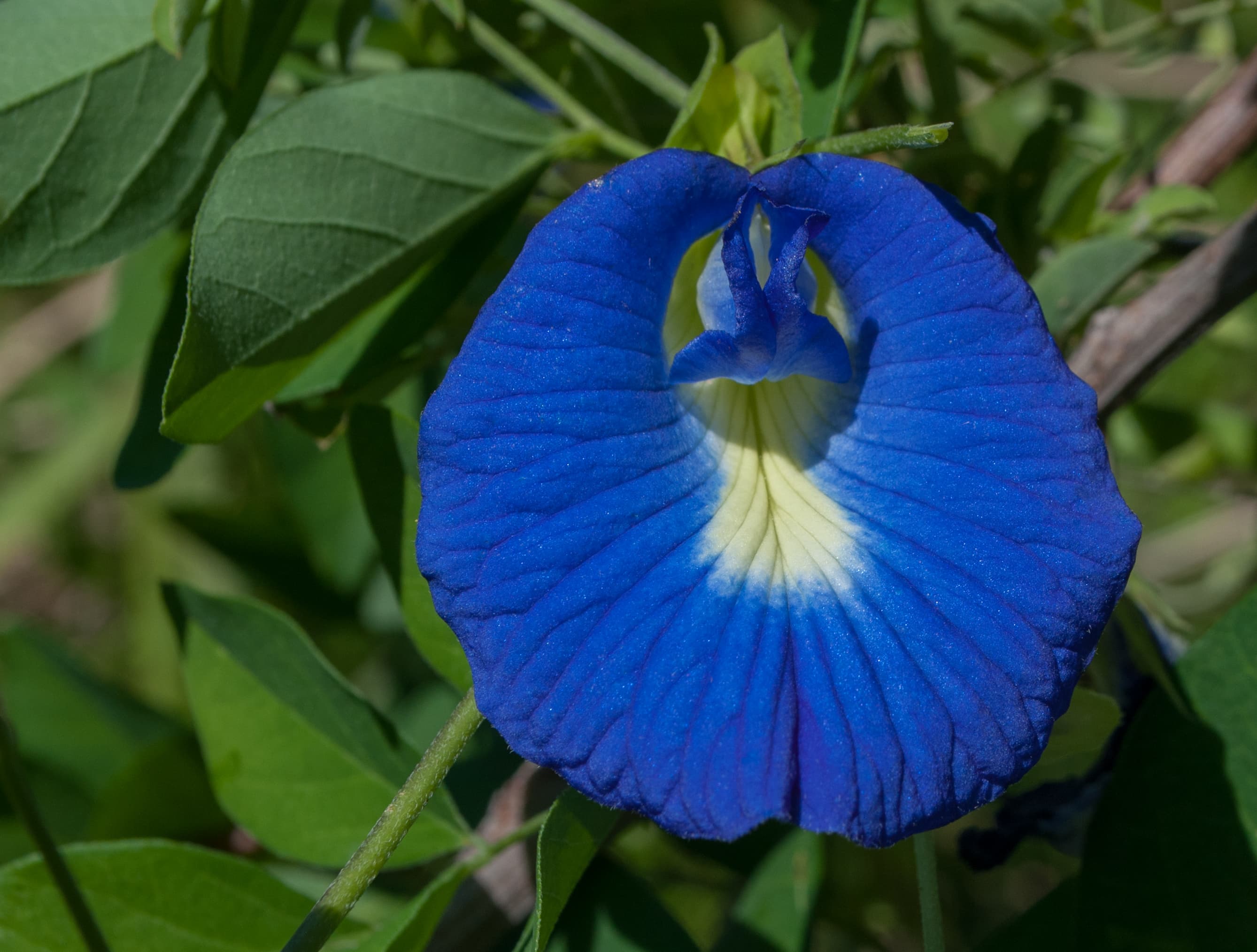
Butterfly pea tea is a herbal infusion made from the dried petals of Clitoria ternatea, a climbing vine in the pea family that is native to tropical Asia. The flower has many names — blue pea, Asian pigeonwings, anchan in Thailand, and aparajita in India — but the tea is the same everywhere: a vivid cobalt-blue cup brewed from the bloom, not from a tea leaf.
That distinction matters. Because it comes from a flower rather than the Camellia sinensis plant that gives us black, green and white tea, butterfly pea tea contains no caffeine at all. On its own the flavour is mild, earthy and slightly woody — closer to a light green tea than to anything sweet. Therefore most people drink it for the colour, the ritual and the antioxidants rather than for a bold taste, which is exactly why it pairs so well with honey, lemon, or lemongrass.
Why Butterfly Pea Tea Is Blue — and Why It Changes Colour

The blue comes from anthocyanins — the same family of plant pigments that colour blueberries and red cabbage. Butterfly pea is unusual because its anthocyanins are a very stable group called ternatins, which hold their blue where most anthocyanins would quickly fade. That stability is what makes the flower such a reliable natural dye.
These pigments are also sensitive to acidity, and that is the secret behind the colour change. In a neutral cup the tea sits deep blue. Add something acidic, such as lemon, lime, or Okinawa’s own shikuwasa citrus, and the pH drops, so the tea shifts to purple and then magenta-pink in front of you. Push it the other way with a pinch of baking soda and it turns green. In short, a cup of butterfly pea tea is a working pH indicator you can drink — which is why bartenders and home cooks love it.
Okinawa’s Blue Tea: A New Ryukyu Souvenir, Not an Old Tradition

You will often see butterfly pea tea sold in Okinawa as “Ryukyu blue tea,” and it is worth being honest about what that means. The flower is not a native Okinawan plant, and there is no evidence the old Ryukyu Kingdom drank it. Its genuine heritage is Southeast and South Asian — the Thai after-dinner drink nam dok anchan, Malaysia’s blue nasi kerabu rice, Vietnamese hoa đậu biếc, and Indian Ayurvedic aparajita.
What Okinawa can claim is a genuinely new agricultural story. The islands’ warm, subtropical climate suits the vine so well that growers there can harvest it almost year-round. As a result, Okinawan farmers and startups began cultivating butterfly pea around 2017, and a “Ryukyu blue tea” souvenir industry grew up around it — the local press documented the first Nanjō City harvests, and branded blue-tea lines followed a few years later. So the accurate framing is a fresh Okinawan take on a Southeast Asian flower, not a centuries-old ritual.
That still makes it a lovely, distinctly Okinawan gift. Meanwhile, treat the marketing with a little care. Butterfly pea is sometimes sold as a “Blue Zone” longevity secret, yet it plays no part in the traditional Okinawan diet, which is built on sweet potato, vegetables, tofu, and jasmine-scented sanpin tea. The real Ryukyu plant traditions are things like shikuwasa citrus, turmeric and shell-ginger. Butterfly pea is simply a beautiful newcomer that grows well on the islands — and that is a good enough reason to enjoy it.
Butterfly Pea Tea Benefits: What the Evidence Actually Says
Here is the honest picture. Butterfly pea tea is widely marketed as a wellness cure-all, but most of the research behind the butterfly pea tea benefits you read about was done in test tubes or on animals — not on people drinking the brewed tea. In fact, the handful of human studies used a concentrated flower extract, not a cup of tea, and their authors caution that the results cannot be generalised. So enjoy the tea for what it is, and keep the claims in proportion. Below is what each popular benefit really rests on.
Antioxidants: the strongest claim
This is the benefit with the most support. The blue ternatin pigments are genuine antioxidants, and in one small human trial a flower extract raised the blood’s antioxidant capacity for a short time. However, the same peer-reviewed reviews warn that a test-tube antioxidant result “should not be interpreted directly as the antioxidant property inside the body.” Because a brewed cup is far more dilute than an extract, this is the most defensible of the butterfly pea tea benefits — treat it as a pleasant source of plant antioxidants, not a proven health treatment.
Blood sugar and after a heavy meal
Early research is interesting but mixed. In one small study, an extract taken alongside sugar blunted the post-meal spike in blood glucose and insulin; in another, a similar dose lowered the rise in blood fats after a fatty meal. Yet a separate trial found no meaningful blood-sugar effect. As a result, this is a promising area rather than a settled one — and, again, all of it used extract rather than tea. If you take diabetes medication, treat the tea as a drink, not a therapy.
Brain, calm and the acetylcholine myth
You will often read that butterfly pea tea “contains acetylcholine that boosts memory.” Unfortunately, that popular line is a misreading. The actual finding was that a root extract raised acetylcholine in the brains of rats; there is no evidence the tea delivers it to people. Likewise, the calming and mood claims come from animal models only. There are no human trials on memory, focus, stress or mood, so these belong firmly in the “traditional use” column.
Skin, hair and eyes: mostly tradition
The glossy claims about butterfly pea tea improving skin, hair and eyesight are the least supported of all. They come from cosmetics marketing and traditional Thai and Ayurvedic use, and the scientific reviews record no clinical studies behind them. That does not mean the flower is worthless — it simply means these particular promises are stories, not proven effects. So it is best to enjoy the tea without expecting it to replace sunscreen or an eye exam.
The one clear win: no caffeine
Here is a benefit that needs no hedging. Butterfly pea tea is naturally caffeine-free, so you can drink it in the evening, share it with children, and use it as a calming, colourful alternative to coffee or black tea. It is also essentially calorie-free on its own. In practice, that combination — zero caffeine, striking colour, mild flavour — sits at the top of any honest list of butterfly pea tea benefits, and it is the everyday reason to keep a jar of the blue flowers around.
How to Brew Butterfly Pea Tea

Brewing is forgiving, which is part of the appeal. Use about 8 to 10 dried flowers (roughly a teaspoon) per cup, and pour over hot water just off the boil, around 90 to 100 °C. Then steep for three to five minutes until the water turns a deep blue. Unlike green or black tea, butterfly pea does not turn bitter if you leave it longer, so you can steep it hard for a more intense colour without spoiling the taste.
From there, it is a blank canvas. Sweeten it lightly with honey, add lemon or shikuwasa to watch it turn purple, or brew a stronger batch, chill it, and pour it over ice for a cold drink. For an iced version you can also cold-brew the flowers in the fridge for a few hours. Finally, lemongrass, mint and a little ginger all pair nicely, so treat the recipe as a starting point rather than a rule.
Ways to Use Butterfly Pea Tea Beyond the Cup

Because the pigment is such a stable natural colour, butterfly pea has always been as much a dye as a drink. In Malaysia it tints the rice of nasi kerabu a striking blue; across Southeast Asia it colours glutinous-rice cakes, jellies and Nyonya kueh; and in the United States the flower extract is now an approved natural blue food colouring. So a pot of strong blue tea can quietly replace artificial dye in your own kitchen.
The colour change makes it a showpiece, too. Bartenders build blue cocktails and mocktails that turn pink as citrus goes in, and the same trick works with lemonade, gin and clear sodas. Meanwhile, a butterfly pea latte or a layered iced drink gives you the indigo hue with barely any flavour to fight your other ingredients. For an easy shortcut, a colour-changing butterfly pea syrup delivers the same effect in one pour, no brewing required.
Side Effects and Precautions
For most people, butterfly pea tea is very safe and easy to enjoy in normal amounts — one to three cups a day is the usual guidance. It is caffeine-free, and no serious side effects are documented in the research. That said, there are also no formal human safety or drug-interaction studies, so a little caution is sensible rather than alarming.
Because the data is thin, it is commonly advised that anyone who is pregnant or breastfeeding gives it a miss, and that people on blood-thinning or diabetes medication check with a doctor first. In addition, butterfly pea is not an approved food ingredient everywhere — the European Union, for example, has not cleared it. So enjoy it as an everyday tea, keep to moderate amounts, and treat it as a drink rather than a remedy.
Butterfly Pea Tea on Avendi
If you would like to try Okinawa’s blue tea, Avendi works directly with Ryukyu makers so their butterfly pea can reach you wherever you are. Here are two favourites to discover, with prices shown in Japanese yen.
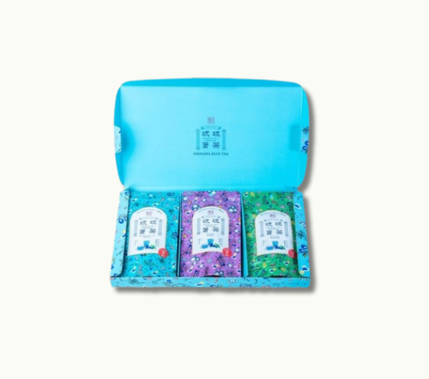
Butterfly Pea Tea Gift Box (Ryukyu Blue Tea) — ¥3,850. A boxed set of the blue flower tea, grown and blended in Okinawa. It is caffeine-free, packs light, and makes a memorable gift because the colour-change trick travels with it.
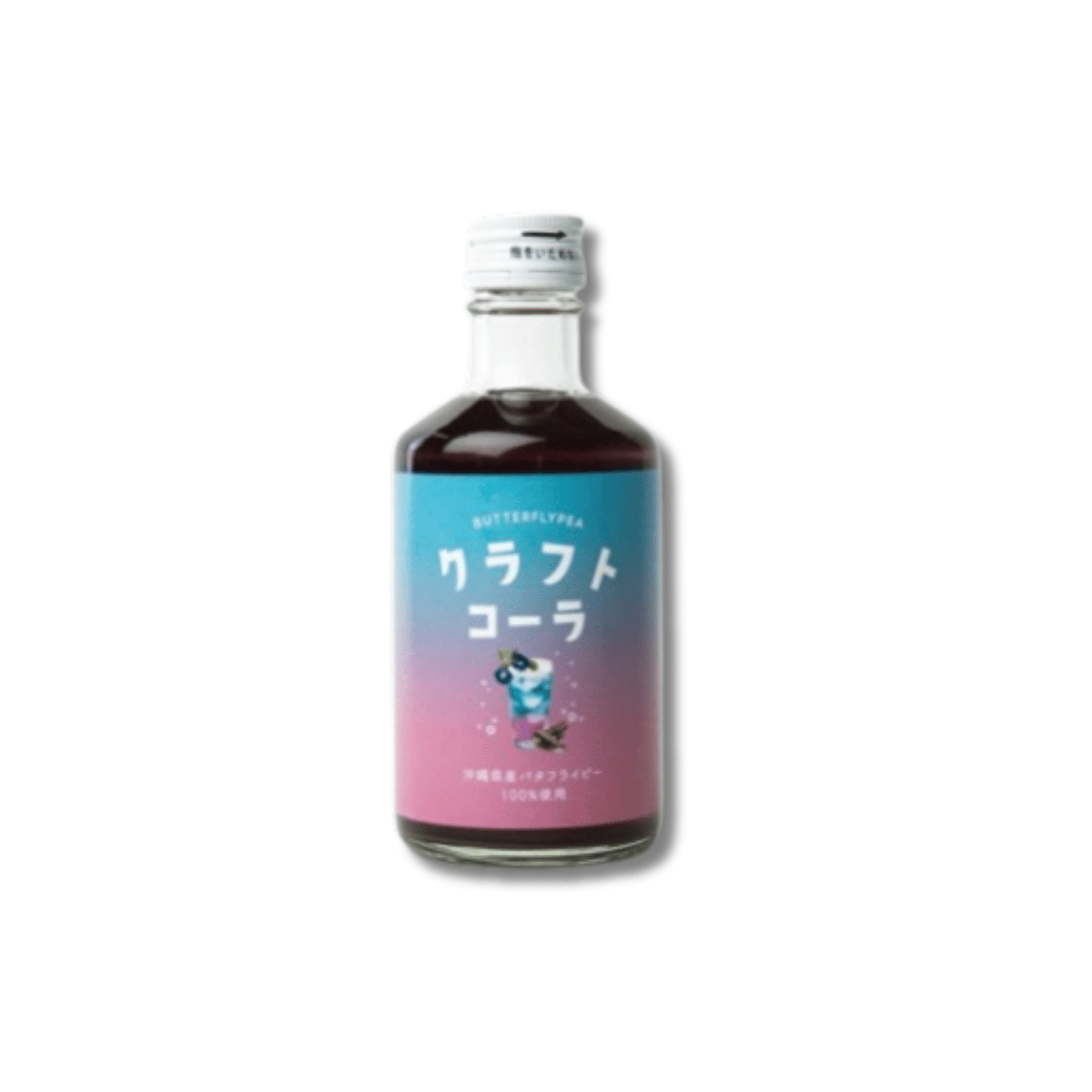
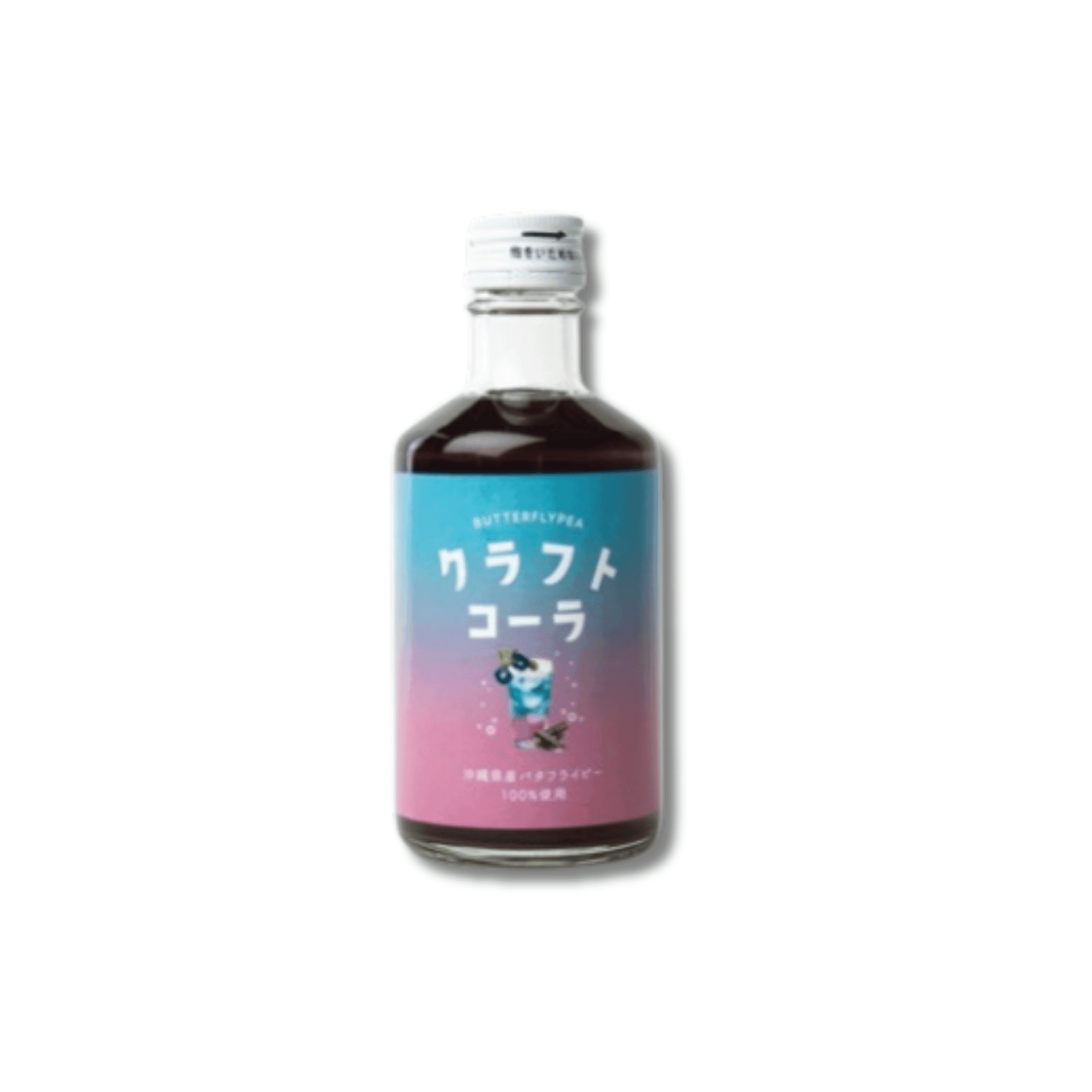
Butterfly Pea Colour-Changing Syrup (Craft Cola) — ¥1,320. A craft-cola concentrate that brings the indigo-to-pink shift to sodas, cocktails and mocktails without a teapot. For the full range, browse the Okinawan butterfly pea tea collection.
Okinawa’s colour-changing blue tea, sourced straight from Ryukyu makers.
Frequently Asked Questions
What are the benefits of butterfly pea tea?
The clearest butterfly pea tea benefits are that it is caffeine-free, nearly calorie-free, and rich in blue anthocyanin antioxidants. Beyond that, most claims — for memory, calm, skin, blood sugar and weight — rest on test-tube or animal research, or on small studies using flower extract rather than brewed tea. So enjoy it as a healthy, colourful everyday drink, not as a proven remedy.
Does butterfly pea tea contain caffeine?
No. Butterfly pea tea is a herbal infusion of Clitoria ternatea flowers, not a true tea from the Camellia sinensis plant, so it has zero caffeine. That makes it a good choice in the evening, for children, and for anyone cutting back on coffee.
Why does butterfly pea tea change colour?
Its blue anthocyanin pigments are sensitive to acidity. Brewed plain, the tea is deep blue; add lemon, lime or shikuwasa and the acid turns it purple and then pink, while a pinch of baking soda pushes it toward green. It is essentially a drinkable pH indicator.
What does butterfly pea tea taste like?
On its own it is very mild — earthy and slightly woody, more like a light green tea than anything sweet or floral. Because the flavour is gentle, most people add honey, lemon or lemongrass, or use it as a colourful base for lemonade and cocktails.
How do you brew butterfly pea tea?
Steep about 8 to 10 dried flowers (roughly a teaspoon) per cup in hot water near boiling, around 90 to 100 °C, for three to five minutes. It will not turn bitter with longer steeping, so brew it as strong as you like, then add citrus or sweetener to taste.
Is butterfly pea tea really from Okinawa?
Not originally. The flower is native to tropical Asia, with long traditions in Thailand, Malaysia, Vietnam and India. Okinawan farmers only began growing it around 2017, and “Ryukyu blue tea” is modern branding for a genuinely local crop — a new Okinawan souvenir rather than an ancient Ryukyu custom.
Can I use butterfly pea tea as a natural food colouring?
Yes. A strong blue brew is a popular all-natural dye for rice, cocktails, jellies, lattes and icing, with no artificial colour. Because the pigment reacts to acidity, a squeeze of lemon or lime turns it purple or pink — which is how those striking colour-changing drinks are made.
Does butterfly pea tea help you lose weight?
There is no good evidence that it does. One small study found a flower extract lowered blood fats after a fatty meal, but no research shows the tea causes weight loss. It is a sensible, low-calorie swap for sugary drinks, and that is the fair way to think about it.
Are there any side effects or precautions?
For most people it is very safe in normal amounts. However, formal human safety studies are lacking, so it is commonly advised that those who are pregnant or breastfeeding avoid it, and that anyone on blood-thinning or diabetes medication check with a doctor. Note also that it is not an approved food ingredient in the EU.
Is butterfly pea tea good for you?
As a caffeine-free, low-calorie, antioxidant-rich drink, it is a healthy choice to enjoy regularly. Just keep expectations realistic: the more dramatic medical claims are not yet backed by human trials, so the honest answer is that it is a good drink, not a cure.
Is it a good souvenir or gift?
It is one of the better Okinawa gifts. Dried petals and sealed syrup bottles are light, shelf-stable and caffeine-free, so they suit almost any recipient, and the colour-changing trick makes them a memorable present that carries a real island story.
The Bottom Line
The real butterfly pea tea benefits are simple and honest: it is caffeine-free, gentle, genuinely rich in blue antioxidants, and more fun to serve than almost any other drink. The bigger health promises, though, are still ahead of the science, so the smart approach is to enjoy it as a beautiful everyday tea rather than a remedy. Buy it from real Okinawan makers and you also support the island’s new blue-tea growers. If you like this kind of story-rich shopping, read our companion guides to the best souvenirs from Okinawa, what to buy in Kathmandu, and what to buy in Singapore next.
Image credits: Clitoria ternatea flower (Mito Botanical Garden, Japan) — 小石川人晃 (CC BY-SA 4.0). Brewed blue tea and lime colour-change — Mx. Granger (CC0). Dried butterfly pea flowers — François Nguyen (CC BY 2.0). Nasi kerabu blue rice — Encik Tekateki (CC BY-SA 4.0), all via Wikimedia Commons. Product images courtesy of the vendors / Avendi.