Okinawa Souvenirs: The Best Things to Buy in the Ryukyu Islands
Shop this story on Avendi
See all →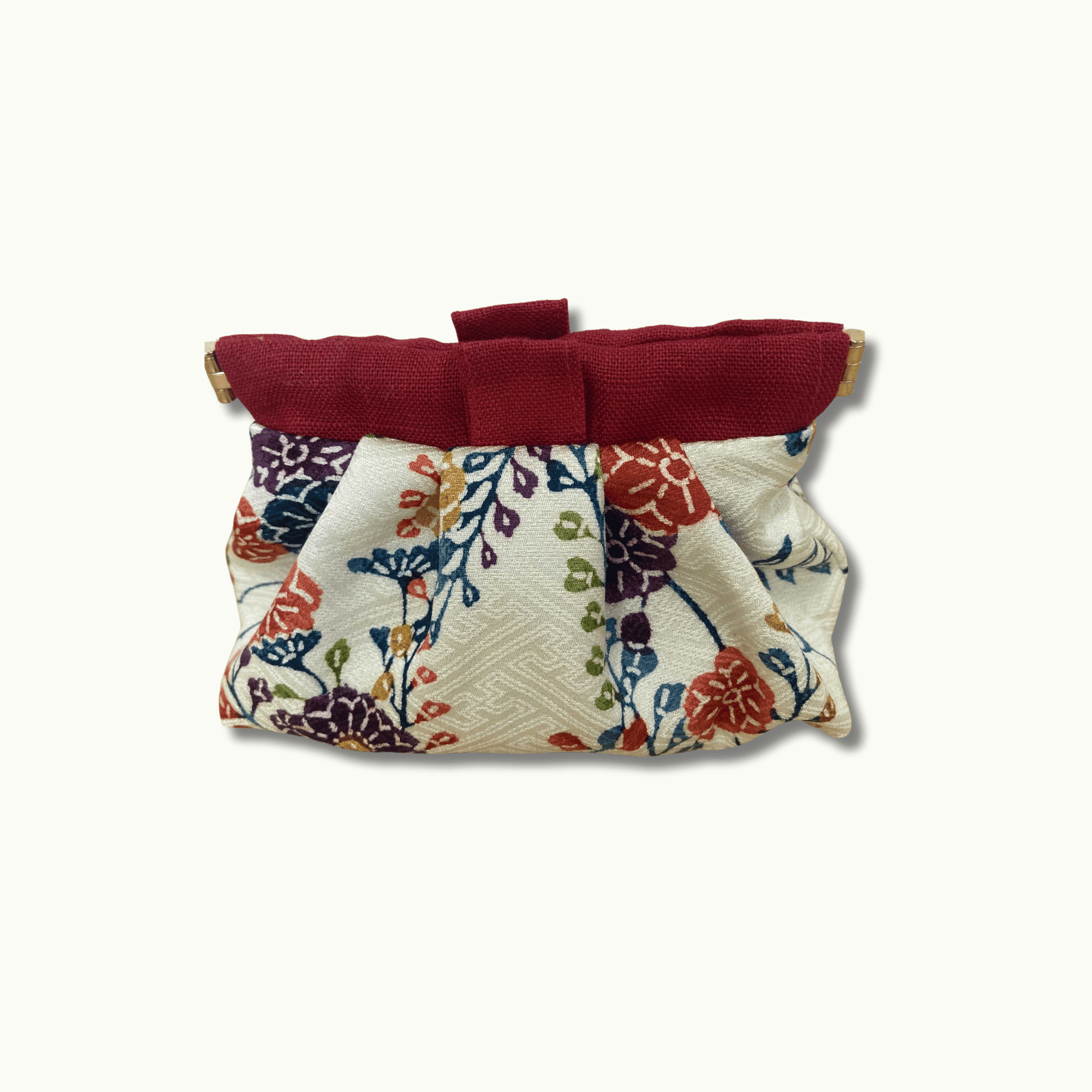
Okinawa is Japan, but not quite the Japan you picture. For 450 years these subtropical islands were the independent Ryukyu Kingdom, trading with China and Southeast Asia long before they became a Japanese prefecture. That history left a culture all its own — its own language, its own food, its own crafts — and it is exactly why shopping here feels different from Tokyo or Kyoto. The best Okinawa souvenirs are the ones you simply cannot find anywhere else in Japan.
This guide walks you through what is genuinely worth buying, and what is just airport filler. We cover the crafts, the sweets, the spirits, and the salt, with the real story behind each. We also tell you where locals actually shop, and how to get authentic Okinawan souvenirs home through customs. So let us start with the reason any of this is special in the first place.
Why Okinawa Souvenirs Are Different
The Ryukyu Kingdom ran from 1429 until 1879, when Japan formally annexed it as Okinawa Prefecture. For centuries before that, Ryukyu was a maritime trading hub. Ships carried lacquer, textiles and pottery between China, Korea, Japan and Southeast Asia. As a result, Okinawan craft absorbed influences from all of them, then blended them into something distinct. Locals call this mixing spirit champuru — literally “mixed,” the same word as in the island dish goya champuru.
The twentieth century also reshaped the islands. After the brutal Battle of Okinawa in 1945, the United States administered Okinawa until it reverted to Japan in 1972. That era, too, left its mark — even on the glassware, as you will see below. Add a native Ryukyuan language, a warm reef-fringed climate, and a cuisine built on pork, sugar cane and seaweed, and you get a souvenir culture that stands apart. Therefore the smartest approach is simple: skip the generic Japan trinkets, and buy the things that are uniquely Ryukyuan.
The Crafts: Shisa, Bingata, Pottery and Glass
Okinawa’s traditional crafts are its strongest souvenirs, because each one is rooted in the old kingdom. These are the Okinawa souvenirs to prioritise. Four stand out for any visitor, and you can watch most of them being made.
Shisa: the guardian lion-dogs
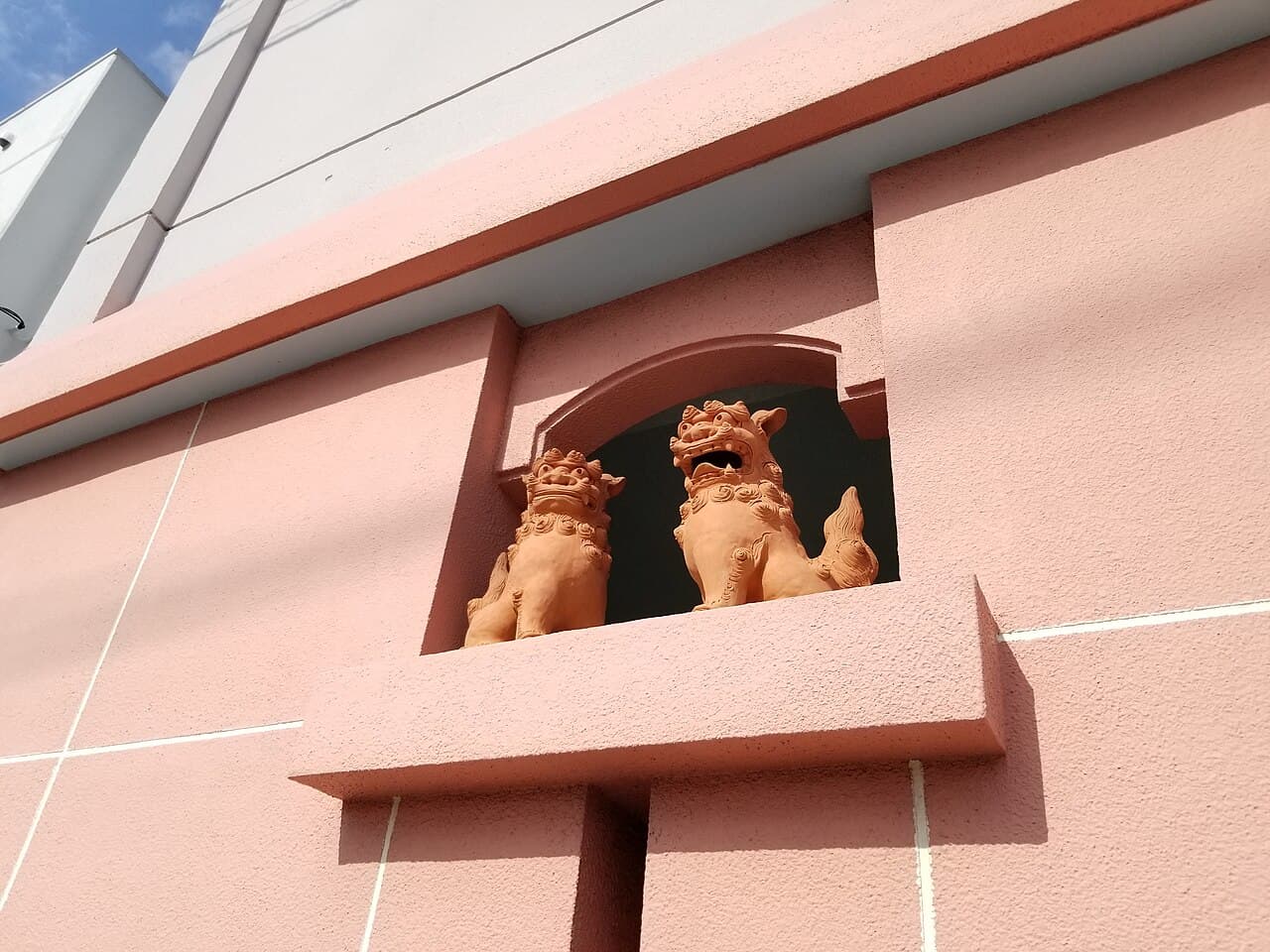
You will meet shisa everywhere — on rooftops, beside gates, and on every souvenir shelf. These lion-dog guardians descend from Chinese guardian lions and arrived through Ryukyu’s trade with the mainland. Traditionally they come in a pair, and the mouths matter: the open mouth wards off evil spirits, while the closed mouth keeps good fortune in. Which one is “male” or “female,” and which side it sits on, varies from village to village, so do not worry too much about the rules. Villagers raised the oldest surviving village shisa, the Tomori stone lion, in 1689 to guard against fire.
For a genuine piece, look for one hand-made in Tsuboya pottery (yachimun) or hand-sculpted in white plaster (shikkui), rather than a moulded resin copy. Each handmade shisa is a little different, which is part of the charm.

Bingata: the kingdom’s vivid dyed cloth
Bingata is Okinawa’s signature textile, and one of its most beautiful souvenirs. Artisans apply a rice-paste resist — through a paper stencil or drawn freehand — then brush on bright mineral pigments and plant dyes, so the finished cloth glows with flowers, birds and waves. Under the kingdom, colour signalled rank: only royalty could wear yellow, and the nobility wore pale blue. Today bingata is a nationally designated Traditional Craft of Japan, designated in 1984.
Because a full kimono runs into serious money, most travellers buy something smaller. Pouches, coasters, fabric panels and accessories all carry the same hand-dyed colour. However, be aware that machine-printed “bingata-style” goods also exist, so if authenticity matters, ask whether the piece is genuinely hand-dyed.
Yachimun: Okinawan pottery
Yachimun is simply the Okinawan word for pottery, and it is wonderfully tactile. Potters consolidated the tradition in Naha’s Tsuboya district in 1682, and you can still browse its kilns and galleries on Tsuboya Yachimun Street. Many wood-firing potters later moved north to Yomitan, where the Yachimun no Sato village has been a craft hub since the 1970s. Look for the warm off-white glaze and the classic fish, shrimp and arabesque motifs. Practical pieces — rice bowls, cups, small plates — travel well and get used at home.

Ryukyu glass: beauty from the rubble
Ryukyu glass has the best backstory of all. Okinawa actually made clear, practical glass back in the Meiji era. But the craft we know today came roaring back after the Second World War, when artisans had no raw materials and instead collected discarded cola and beer bottles from the U.S. bases, melted them down, and blew them into tumblers and cups. The colours came straight from the bottles — pale green from soda, brown from beer. The signature bubbles were originally a defect from impurities in that recycled glass. Crucially, the makers chose to celebrate the bubbles rather than hide them, and a beloved craft took hold.
Most studios now use new raw glass, keeping the colours and bubbles as a style, though some artisans still work with recycled bottles. Note one thing for accuracy: Ryukyu glass is a designated traditional craft of Okinawa Prefecture (since 1998), not one of Japan’s nationally designated crafts. Either way, a hand-blown piece from a Yomitan or Itoman studio is a lovely, useful keepsake.
Beyond these four, keep an eye out for Ryukyu lacquerware in its glowing vermilion, the aloha-style kariyushi shirt (which, to be official, must be made in Okinawa), banana-fibre bashofu cloth, and the snakeskin-bodied sanshin, the three-stringed lute that is the heartbeat of Okinawan music.
Edible Okinawa Souvenirs: Sweets and Treats
Food is the easiest gift to share, and Okinawa’s pantry is full of things the mainland does not have. These are the edible Okinawa souvenirs worth packing.

- Chinsuko — the classic. This crumbly shortbread dates back to the Ryukyu court, and it is made with flour, sugar and lard, which gives it a richness that butter cookies do not have. The pork fat is a quiet nod to Okinawa’s pig-farming culture. Modern flavours include snow-salt, brown sugar and beni-imo.
- Beni-imo sweets — the purple ones. Here is a fact worth knowing: beni-imo is a purple-fleshed sweet potato, not a true yam, despite the “purple yam” label you sometimes see. Okashi Goten created the iconic boat-shaped beni-imo tart in 1986 to support farmers in Yomitan, and it is now an Okinawa staple.
- Sata andagi — Okinawan doughnuts. The name comes from the Ryukyuan words for sugar, oil and fried. They are crisp outside and dense inside, and they crack open like a smile, which is why they show up at celebrations.
- Kokuto (black sugar) — whole, unrefined cane sugar boiled down with its molasses still in it, so it tastes of caramel and minerals. The richest comes from small islands such as Hateruma. One buyer’s tip: look for “pure kokuto” (純黒糖), which lists only sugar cane, rather than a reconstituted processed blend.
Salt, citrus and seaweed
- Okinawan sea salt — a serious local obsession. The famous powdery salts, such as Nuchimasu from Miyagi Island and the “snow salt” of Miyako, are made by special methods that keep more sea minerals in. They make a light, genuinely Okinawan gift, and they are wonderful to cook with.
- Shikuwasa — the local citrus. This small, sharp Ryukyu lime grows mainly in the north, around the “longevity village” of Ogimi. You cannot take the fresh fruit home, but bottled shikuwasa juice and ponzu travel fine and add a bright Okinawan zing to drinks and dressings.
- Mozuku, chocolate and more — Okinawa grows roughly 99% of Japan’s mozuku seaweed, sold as vinegared snacks. You will also find Okinawa-made chocolate and even tiny-batch island-grown coffee and cacao, a charming emerging scene rather than a mass export.
A word on turmeric
One word of caution on turmeric (ukon). Okinawa grows most of Japan’s turmeric, and it is sold everywhere as a hangover and liver tonic. The evidence for those claims is thin, however, and turmeric supplements have actually become a documented — if rare — cause of liver injury. So enjoy it as a local flavour, but treat the strong supplement capsules with care.
Awamori: Okinawa’s Indigenous Spirit

If you buy one bottle in Okinawa, make it awamori. This is the islands’ own distilled spirit, and it is genuinely unlike sake or mainland shochu. Three things set it apart: it is made from long-grain Thai indica rice, fermented entirely with Okinawan black koji (Aspergillus luchuensis), and then pot-distilled. The black koji produces citric acid that protects the mash in the island heat, and it gives awamori its deep, earthy character. Distilling reached the kingdom from Siam in the fifteenth century, and “Ryukyu” awamori is now a protected geographical indication.
For something special, look for kusu — awamori aged three years or more, which grows mellow and rounded. Most bottles sit between 25% and 43% alcohol, although the fierce hanazake from Yonaguni reaches 60%. A bottle of kusu, ideally in a hand-painted Tsuboya flask, is about as Okinawan as a gift gets. Prefer beer? Orion, brewed in Nago since 1957, is the island’s easy-drinking lager and a fun, low-key souvenir.
Where to Shop for Okinawa Souvenirs

Knowing where to go is half the battle when you hunt for Okinawa souvenirs. Here is how the main options compare, from the obvious to the local.
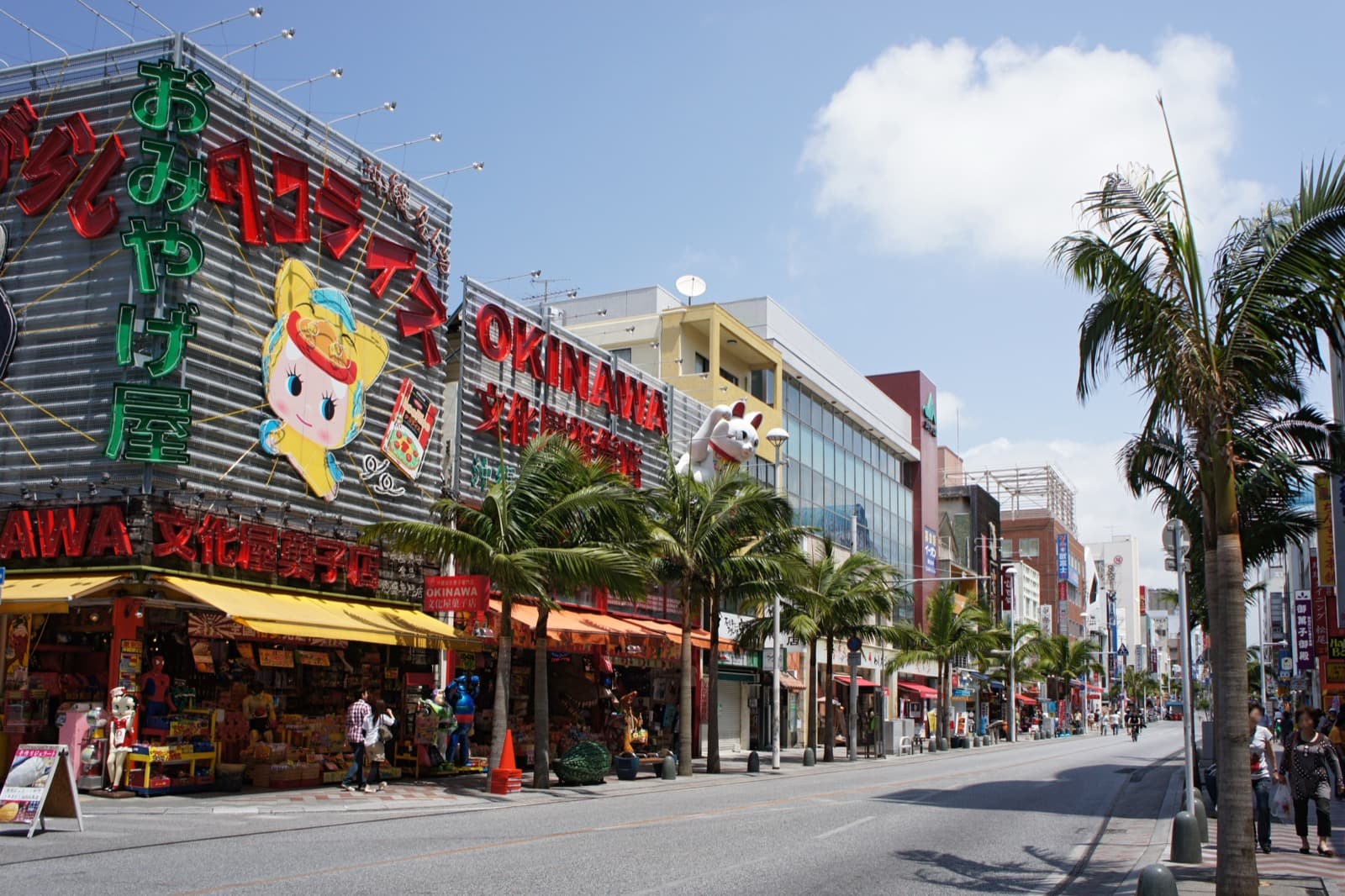
- Kokusai-dori, Naha — the famous 1.6 km “International Street,” lined with hundreds of shops. It is convenient and fun, but much of it is generic Japan omiyage, so shop selectively.
- Makishi Public Market — “Okinawa’s kitchen,” rebuilt and reopened in 2023. Brilliant for sea salt, kokuto, dried seaweed and snacks, just off Kokusai-dori.
- Tsuboya Yachimun Street — the pottery quarter in Naha, perfect for yachimun and ceramic shisa straight from the studios.
- Yachimun no Sato, Yomitan — a village of pottery and glass studios up the coast, where you can buy directly from makers and even try glass-blowing.
- Roadside stations (michi-no-eki) and farmers’ markets — the locals’ choice for fresh, well-priced island produce, juice and snacks.
- Don Quijote, DFS and Naha Airport — for last-minute, late-night and duty-free buys when time is short.
Tax-free shopping and customs
Tax-free shopping: overseas visitors can buy tax-free at licensed shops, saving Japan’s 10% consumption tax. You will need your passport, and you usually need to spend at least ¥5,000 in one store on the same day. Do note that the system is moving to an airport-refund model from late 2026, so check the current rules before you travel.
Getting it home: packaged sweets, sea salt, sugar, tea and bottled juices are generally fine to carry, as long as you declare food on arrival. Awamori fits within normal duty-free alcohol allowances. However, be careful with meat: pork-based treats like rafute or pork-broth Okinawa-soba kits are often blocked by customs in the U.S., E.U. and Australia. Fresh fruit, including fresh shikuwasa, is also a no. When in doubt, declare it — honest declaration is never penalised.
Okinawa Souvenirs on Avendi
You do not have to be in Naha to bring home the real thing. Avendi is bringing Okinawa’s makers online, working directly with island artisans and small producers around Naha so their work can reach you wherever you are. Here are a few favourites to discover, with prices shown in Japanese yen.
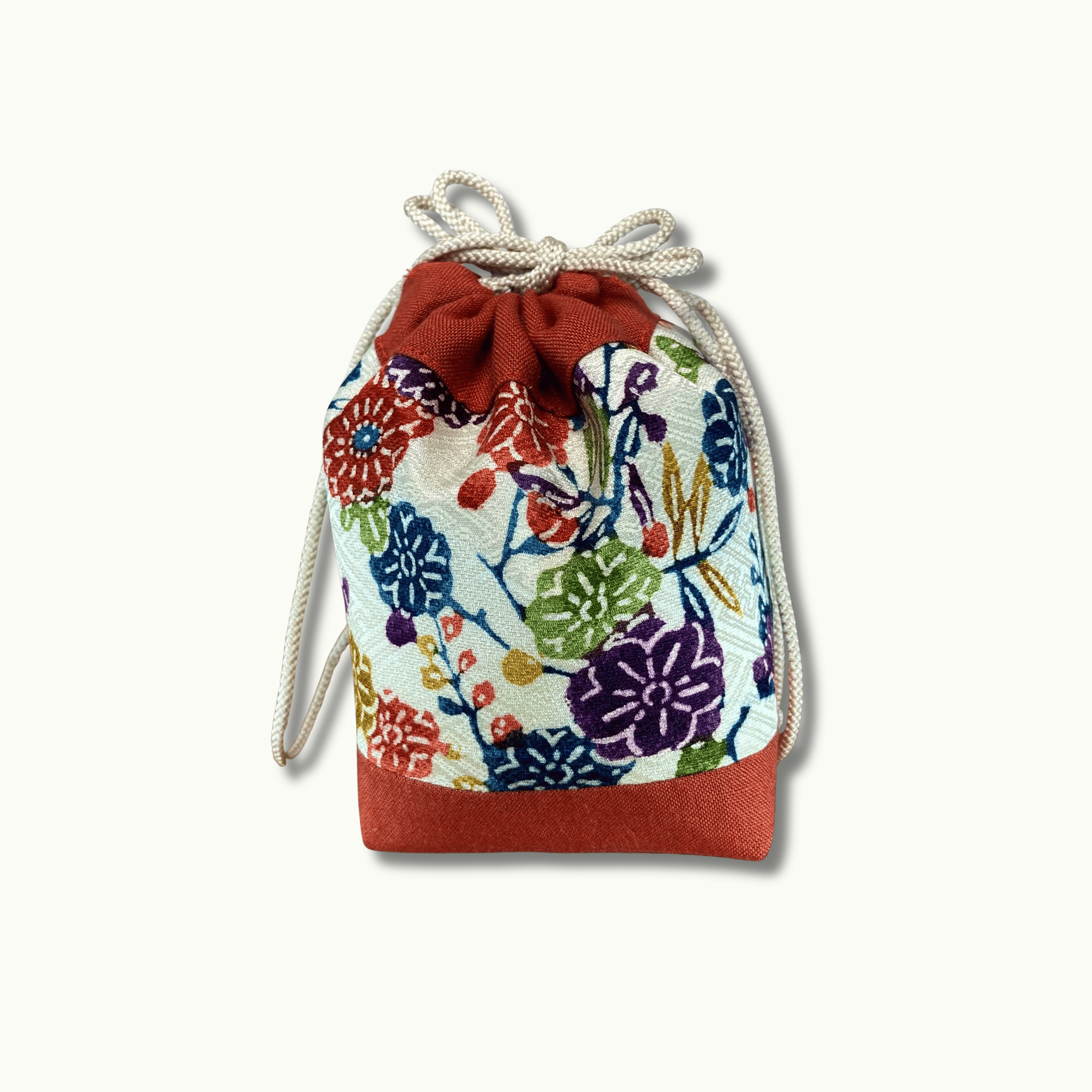
Bingata Drawstring Pouch – Mini — ¥12,584. A small, affordable way to own genuine hand-dyed bingata. It carries the same vivid stencil work as a full kimono, in a piece you will actually use. For larger bags and accessories, browse the full bingata collection.
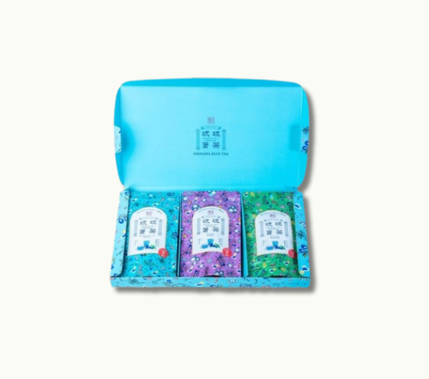
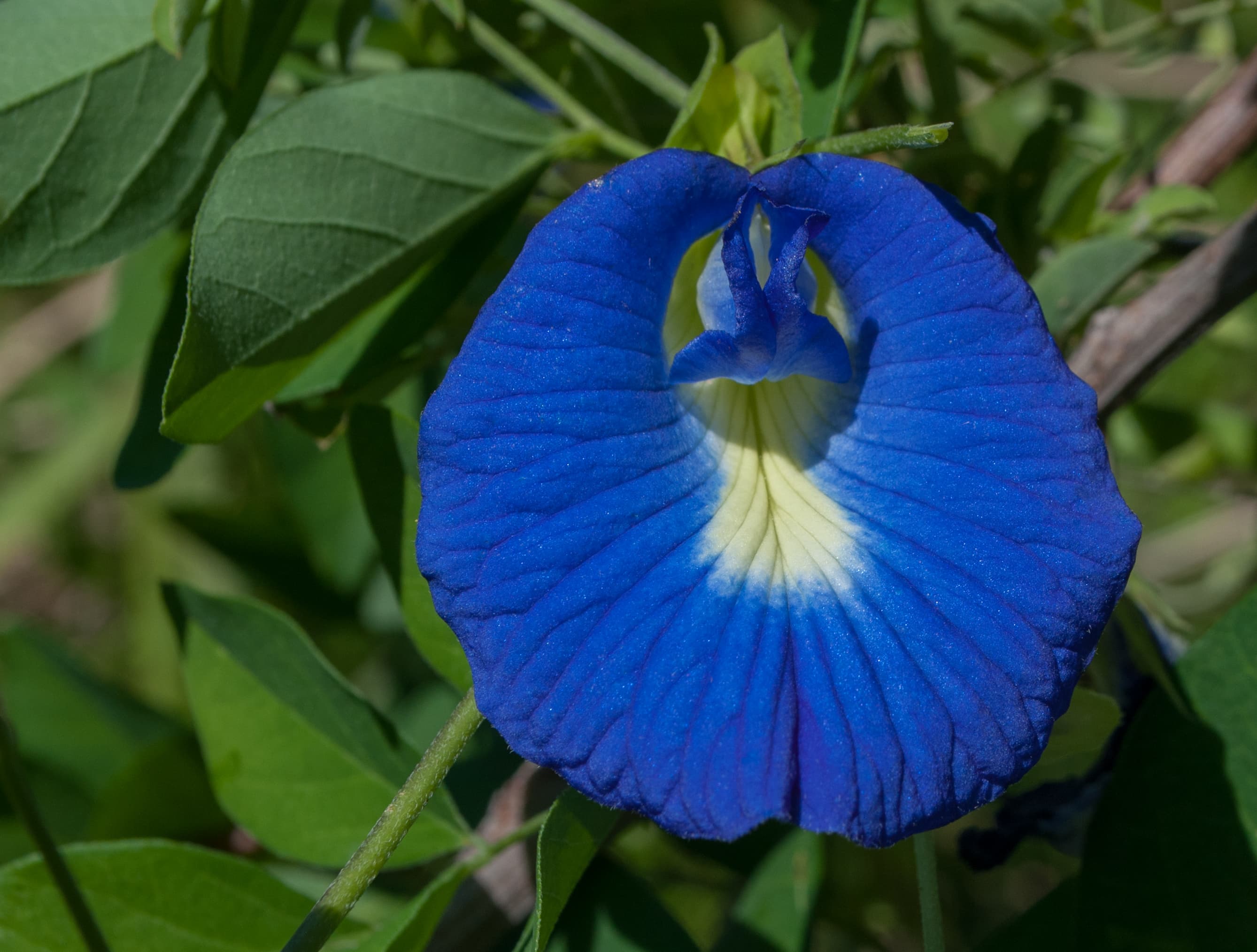
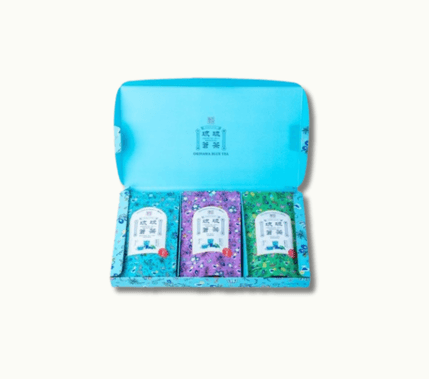
Butterfly Pea Tea Gift Box (Ryukyu Blue Tea) — ¥3,850. A striking blue herbal tea that turns purple-pink with a squeeze of shikuwasa or lemon. It makes a memorable, caffeine-free gift, and a great talking point. See more island brews in the tea collection.
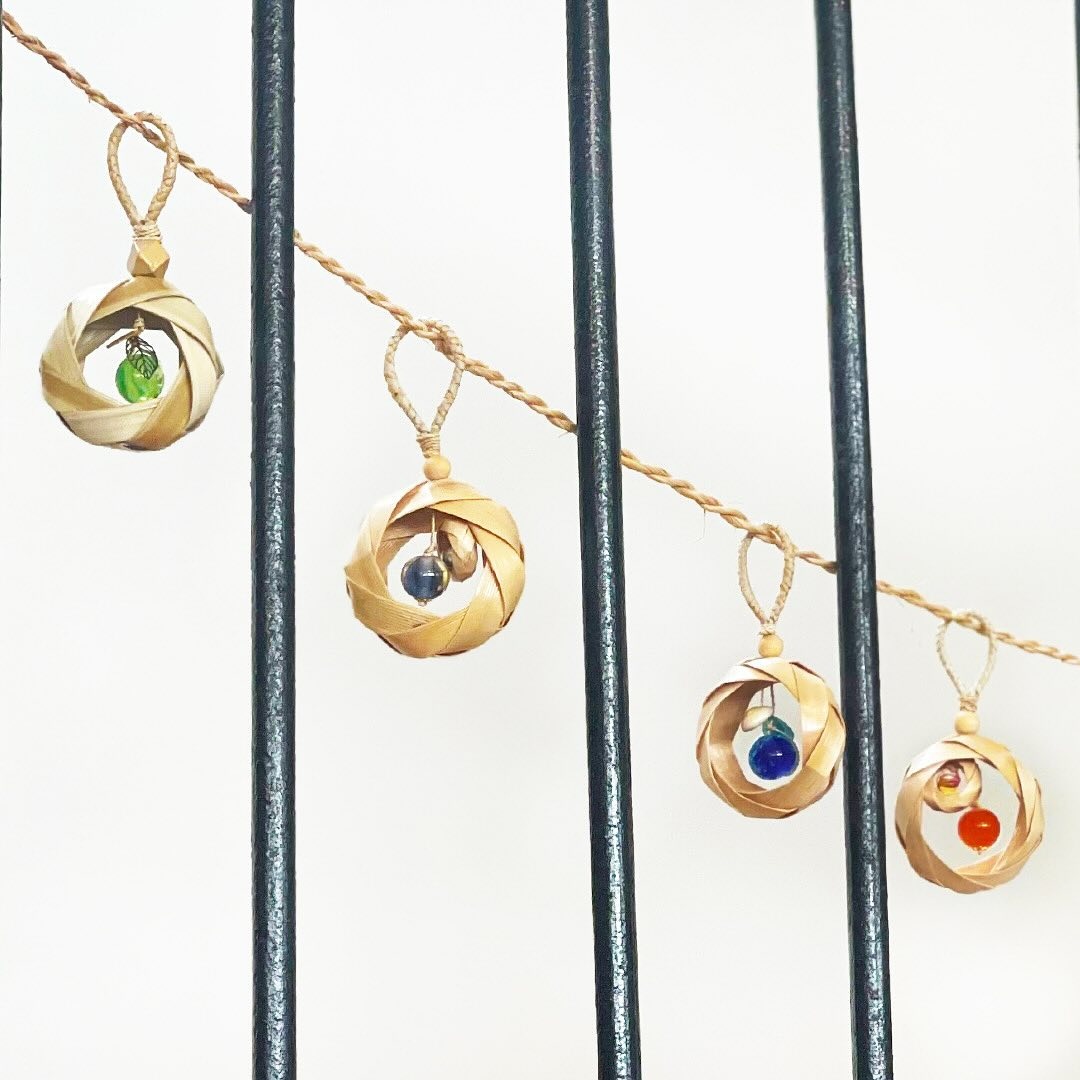
Shima no Umui no Shizuku — Gettou & Ryukyu Glass — ¥4,180. Hand-blown Ryukyu glass paired with the scent of island shell ginger, a small piece of that post-war glass story to keep on a shelf.
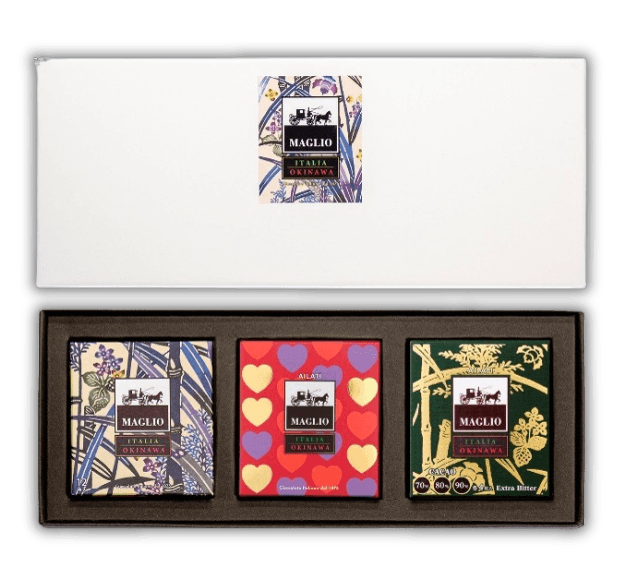
A few more easy gifts worth a look: Irabu Chinsuko Cookies (¥780) for the classic shortbread; Kudaka Island Sea Salt (¥1,900) from a sacred island; Maglio × Okinawa Chocolate (¥5,400); PureBeni Powder Tea (¥1,620); and handwoven Adan Leaf Earrings (¥4,400) made from island screw-pine.
Authentic Okinawan crafts and treats, sourced straight from Ryukyu makers.
Frequently Asked Questions
What are the best Okinawa souvenirs to buy?
The best Okinawa souvenirs are the ones unique to the Ryukyu Islands: bingata dyed textiles, yachimun pottery and ceramic shisa, hand-blown Ryukyu glass, and a bottle of awamori. For edible gifts, choose chinsuko shortbread, beni-imo sweets, kokuto black sugar and Okinawan sea salt. These all tell a Ryukyu story you cannot get on the Japanese mainland.
What is Okinawa famous for?
Okinawa is famous for its Ryukyu Kingdom heritage, coral reefs and beaches, a long-lived population, and a distinct culture of food, music and craft. For shoppers, that means shisa guardians, bingata cloth, Ryukyu glass, awamori spirit, and purple beni-imo sweets — all things the rest of Japan does not have.
What is a shisa, and which way should it face?
A shisa is a Ryukyu guardian lion-dog, usually sold in pairs. The one with the open mouth wards off evil, and the one with the closed mouth keeps good fortune in. Traditions differ on which is male or female and which side each should sit, so place them whichever way you like. A handmade ceramic or plaster shisa makes a wonderful keepsake.
What is bingata?
Bingata is Okinawa’s traditional resist-dyed textile, made by applying a rice-paste resist and then painting on bright pigments and dyes. It dates to the Ryukyu Kingdom, where colours marked social rank, and it is now a nationally designated Traditional Craft of Japan. Pouches, coasters and accessories are affordable ways to own a genuine piece.
Is Ryukyu glass really made from recycled bottles?
Historically, yes. After the Second World War, Okinawan artisans revived glassmaking by melting down discarded cola and beer bottles from the U.S. military bases, which gave the glass its colours and its trademark bubbles. Most studios now use new raw glass and keep that look as a style, although some still work with recycled bottles. It is a designated craft of Okinawa Prefecture.
What is awamori, and how is it different from sake?
Awamori is Okinawa’s indigenous distilled spirit. Unlike sake, which is brewed, awamori is distilled from long-grain Thai rice using Okinawan black koji, then aged. Well-aged awamori, called kusu, is smooth and complex. It typically runs 25–43% alcohol and makes a standout souvenir, especially in a hand-made pottery flask.
Is beni-imo a yam or a sweet potato?
Beni-imo is a purple-fleshed sweet potato, not a true yam, even though it is sometimes mislabelled “purple yam.” Its deep colour comes from anthocyanins, the same pigments found in blueberries. The famous beni-imo tart, created in 1986, is the most popular way to taste it.
What is chinsuko?
Chinsuko is a crumbly Okinawan shortbread made with flour, sugar and lard. The lard reflects Okinawa’s pork-centred food culture and gives the biscuit its rich, melting texture. It keeps well, comes individually wrapped, and now comes in flavours like snow-salt and beni-imo, so it is the perfect easy gift.
What Okinawan food can I bring home through customs?
Commercially packaged, shelf-stable foods — chinsuko, beni-imo sweets, kokuto, sea salt, dried seaweed, tea and bottled juices — are generally fine if you declare them. Awamori fits within standard alcohol allowances. Avoid meat products such as rafute and pork-broth soba kits, which are commonly blocked, and skip fresh fruit like shikuwasa. Always declare food on arrival.
Where do locals shop for Okinawa souvenirs?
Locals tend to skip the busiest stretch of Kokusai-dori and head to Makishi Public Market for food, Tsuboya and Yomitan for pottery and glass straight from the makers, and roadside stations (michi-no-eki) for fresh island produce at fair prices. Those spots give you more authentic Okinawa souvenirs and better value.
What is a good cheap Okinawa souvenir?
Plenty of great Okinawa souvenirs are inexpensive. A box of chinsuko, a bag of kokuto candy, a packet of Okinawan sea salt, or a small bottle of shikuwasa juice all cost little and pack easily. A single hand-blown Ryukyu glass or a bingata pouch is an affordable step up that still feels special.
The Bottom Line on Okinawa Souvenirs
Okinawa rewards the shopper who looks past the tourist shelf. Buy the things that could only come from these islands — a hand-dyed bingata pouch, a bubbled Ryukyu glass, a ceramic shisa, a bottle of aged awamori, a box of salt-flecked chinsuko — and you bring home a genuine piece of the Ryukyu Kingdom. Better still, choosing authentic, maker-made souvenirs supports the artisans keeping these traditions alive. If you enjoy this kind of slow, story-rich shopping, read our companion guides to what to buy in Singapore and what to buy in Kathmandu next.
Image credits: Shisa pair in Naha — Yuet Man Lee (CC BY-SA 4.0). Bingata garment — Daderot, Tokyo National Museum (public domain). Ryukyu glass — yawning hunter (CC BY 2.0). Awamori — ayustety (CC BY-SA 2.0). Chinsuko in Naha — Yuet Man Lee (CC BY-SA 4.0). Kokusai-dori — 663highland (CC BY 2.5), all via Wikimedia Commons. Product images courtesy of the vendors / Avendi.