Shopping in Okinawa: How to Skip the Tourist Traps
Shop this story on Avendi
See all →
Okinawa is Japan, yet it does not feel like the rest of Japan. For 450 years these subtropical islands were the independent Ryukyu Kingdom, trading with China and Southeast Asia, and that history gave them their own crafts, food and spirit. So the souvenirs here can be wonderful. The catch is that the busiest shopping street in Naha is also where the tourist traps cluster, and plenty of what sells there is generic Japan filler or imported knock-offs. This guide is about shopping in Okinawa the smart way.
We will show you how to spot a trap, how to tell a genuine Ryukyu craft from a factory copy, and where island residents actually buy their gifts. We will also cover the boring-but-vital stuff: tax-free rules, fair prices, and which tasty souvenirs will be seized at your home airport. Get these right, and you bring home the real Okinawa rather than a shelf of regret. In short, smart shopping in Okinawa rewards a little know-how.
How to Spot an Okinawa Souvenir Tourist Trap
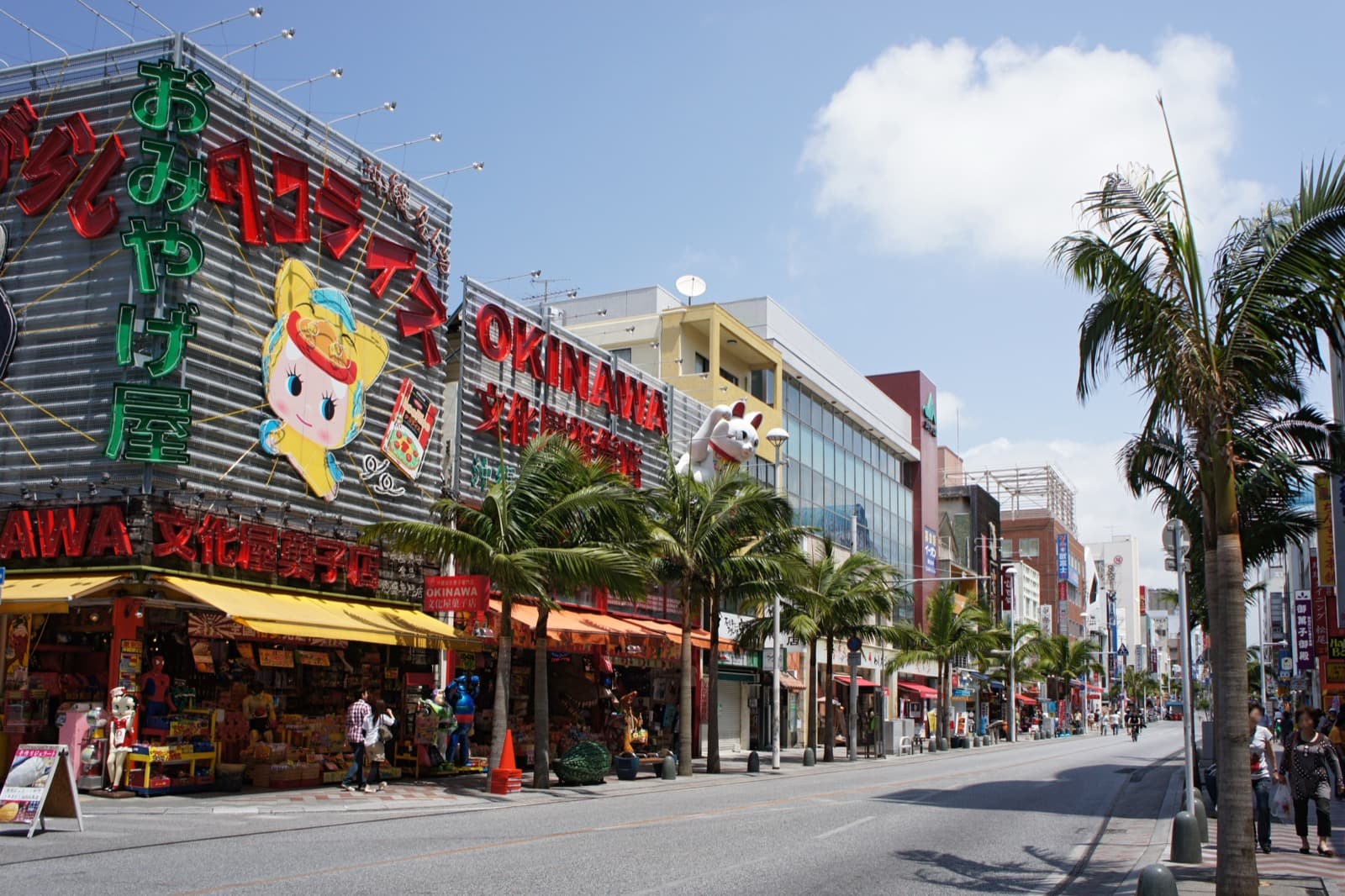
Most visitors start on Kokusai-dori, Naha’s 1.6-kilometre “International Street.” It is lively, central and genuinely fun to walk. However, it is also a magnet for the traps below. None of these mean you should avoid the street entirely. They simply tell you when to keep your wallet closed.
- Generic “Japan” goods dressed up as local. Mount Fuji chopsticks, Tokyo-style character boxes and mass shisa magnets are not Ryukyuan. If the same item could sell in Osaka, it is not a real Okinawa souvenir.
- Check the origin sticker. Not everything on the tourist strip is island-made. Some shisa figures, fans and trinkets are mass-produced imports. So turn the piece over and read the label before you pay.
- Airport and late-night markups. Naha Airport, DFS and the 24-hour Don Quijote are handy when you are short on time. Yet the same chinsuko or salt often costs less at a public market or a local supermarket.
- Health-tonic hype. Okinawa grows much of Japan’s turmeric (ukon), and shops sell it hard as a hangover and liver cure. The evidence is thin. Worse, concentrated turmeric supplements are a documented, if rare, cause of liver injury, unlike curry-level amounts. Enjoy it as a flavour, not medicine.
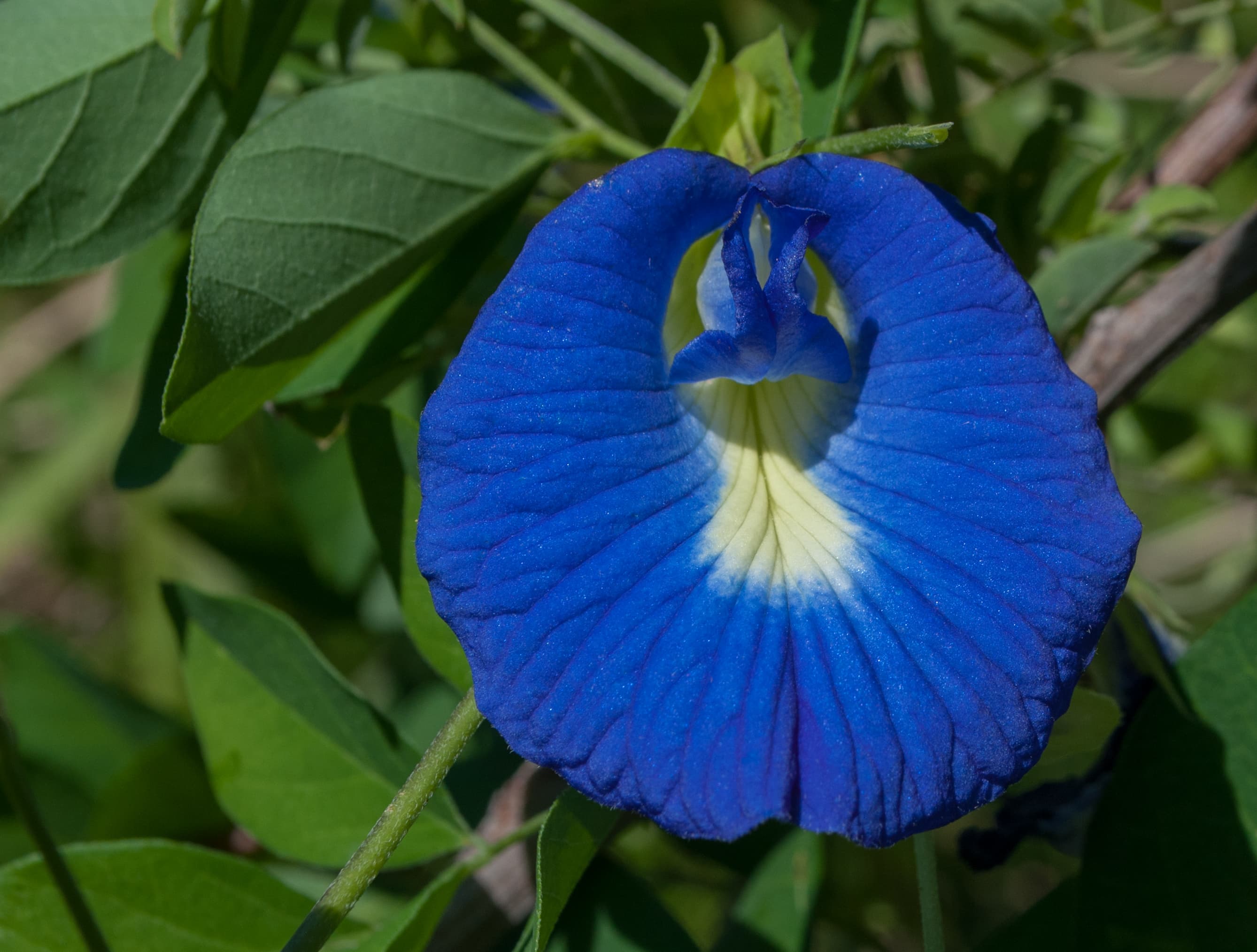
- “Ancient Ryukyu” branding on modern products. Butterfly-pea “Ryukyu blue tea,” for instance, is a lovely drink, but it is recent island branding rather than a centuries-old tradition. A good story is not the same as a long history.
Keep these five in mind and you have already dodged the worst of it. Next, let us look at how to judge the genuine article, craft by craft.
How to Tell Authentic Ryukyu Crafts From Fakes
Okinawa’s traditional crafts are its strongest souvenirs, precisely because you cannot get them anywhere else. Unfortunately, that also makes them the most copied. Reading the signals below is the core skill of shopping in Okinawa. Here is how to check each one, starting with the labels that do the work for you.
Read the certification labels first
Japan protects its finest crafts with a national mark. Look for the “Traditional Craft” seal (伝統的工芸品): a red circle around the character 伝 (den). The government awards it only to crafts made mainly by hand, by methods over a century old, in their home region. Okinawa has 16 nationally designated crafts, including Ryukyu bingata, Tsuboya pottery (yachimun), Ryukyu lacquerware and a family of Ryukyu woven textiles. That sticker is your fastest signal that a piece is genuine.
One important exception: Ryukyu glass is not a nationally designated craft. It is a designated traditional craft of Okinawa Prefecture (since 1998), a lower tier. That does not make it fake, it simply means the national seal will not appear on it. When you want certainty, buy from a named studio or from the Naha craft cooperatives, where provenance is clear.

Bingata: hand-dyed cloth versus printed imitations
Bingata is Okinawa’s signature textile, dyed by pressing a rice-paste resist through a stencil and then brushing on bright pigments by hand. Under the kingdom, colour marked your rank, and only royalty wore yellow. Today it is a nationally designated craft. The clearest tell is the shading: on genuine bingata, each flower or bird carries soft kumadori gradation from its centre, which gives the motif a three-dimensional glow. Machine-printed “bingata-style” polyester, by contrast, shows flat, uniform colour and costs a few dollars. Look too for the Ryukyu Bingata cooperative’s inspection seal. If the shop cannot say who dyed a piece, treat it as decorative rather than authentic.

Shisa: hand-made pottery versus moulded resin
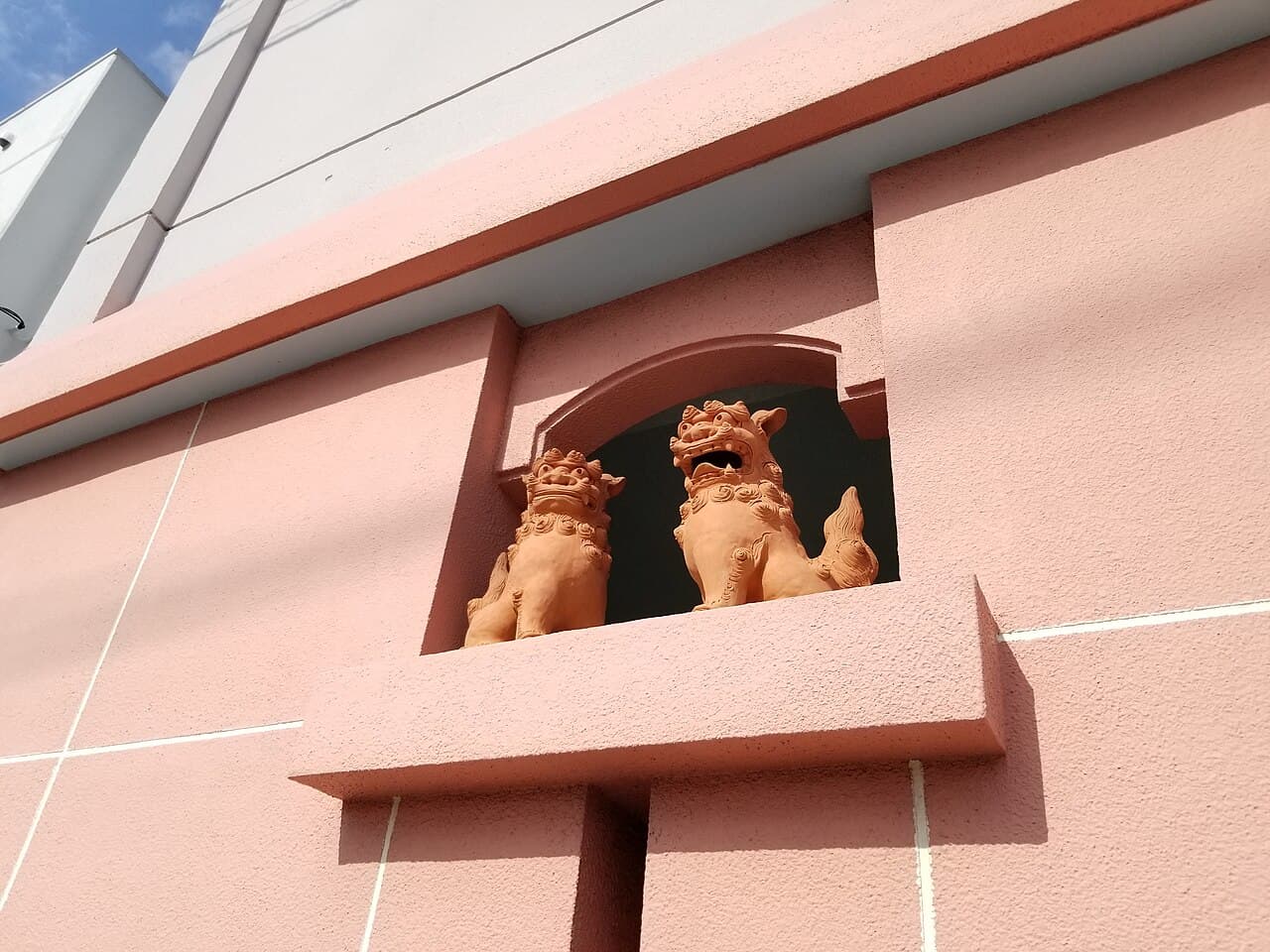
The shisa, a lion-dog guardian, is the face of Okinawa, and it comes in pairs. Traditionally the open mouth wards off evil while the closed mouth holds good fortune in, though villages disagree on the details. For a genuine keepsake, choose one hand-thrown in Tsuboya pottery or hand-sculpted in white shikkui plaster. Each is slightly different, and no two match exactly. A cheap moulded resin or cement shisa, by contrast, is identical to a thousand others and usually made off the island. Weight, tiny tool marks and a maker’s stamp are the tells worth checking.

Ryukyu glass: hand-blown character versus pressed copies
Ryukyu glass has the best backstory of any island craft. After the Second World War, artisans had no raw materials, so they melted down discarded cola and beer bottles from the U.S. bases and blew them into cups. The colours came from the bottles, and the trademark bubbles began as a defect that makers chose to celebrate. A genuine hand-blown piece has slight irregularities: uneven bubbles, a thick lip, a pontil mark on the base. A machine-pressed copy is flawless and lifeless. Because Ryukyu glass carries no national seal, look instead for the Ryukyu Glass Craft Cooperative’s “100% HAND MADE” label, buy from a Yomitan or Itoman studio, or simply watch a piece being blown.
Awamori: the island’s protected spirit
If you buy one bottle, make it awamori, Okinawa’s indigenous spirit. Real awamori is distilled from long-grain Thai indica rice and fermented with island black koji (Aspergillus luchuensis). Since 1995, “Ryukyu” awamori has been a protected geographical indication, so those words on the label mean it was made and bottled in Okinawa. For something special, look for kusu, awamori aged three years or more, where the printed age applies to every drop inside. One watch-out: habushu, the snake-in-the-bottle drink, is an awamori-based flavoured liqueur, not straight awamori.
Where Locals Do Their Shopping in Okinawa
Knowing where to go is half of smart shopping in Okinawa. Residents rarely do their gift-buying on the busiest stretch of Kokusai-dori. Instead, they slip into the markets and studios just off it, where prices are fairer and the goods are the real thing.

- Makishi Public Market — “Okinawa’s kitchen,” rebuilt and reopened in 2023, a minute off Kokusai-dori. It is the place for sea salt, black sugar, dried seaweed and island snacks at market prices.
- Heiwa-dori and Sakaemachi arcades — the covered lanes behind the main street, and the gloriously un-touristy Sakaemachi market, where you shop and eat alongside locals.
- Tsuboya Yachimun Street — Naha’s pottery quarter since 1682. Buy yachimun bowls and ceramic shisa straight from the kilns and galleries.
- Yachimun no Sato, Yomitan — a village of pottery and glass studios up the coast. You buy directly from makers, and some let you try glass-blowing.
- Roadside stations and farmers’ markets — the michi-no-eki and JA markets are where islanders grab fresh produce, juice, salt and sugar for a fraction of gift-shop prices.
- The local supermarket hack — chains like San-A, Union and Aeon stock the same chinsuko and snacks as the souvenir shops, usually cheaper and with no tourist markup.
For crafts with guaranteed provenance, the Naha Traditional Crafts Center at Tenbusu Naha gathers certified bingata, glass, lacquer and textiles under one roof, and you can watch artisans at work. It is the single easiest place to buy with confidence.
Edible Souvenirs: Value Tips and Customs Rules

Food is the easiest gift to share, and a few small habits keep you from overpaying or buying an imitation. First, read the label on black sugar (kokuto): “pure kokuto” (純黒糖) lists only sugar cane, while a cheaper blend adds refined sugar and molasses. Second, for chinsuko shortbread, check that the ingredients include lard. In August 2024 it became Japan’s first confectionery with a Geographical Indication, so genuine boxes may now carry the GI mark. Third, know your salts: the powdery Nuchimasu from Miyagi Island and the “snow salt” of Miyako are distinct products, not interchangeable. Buy any of these at Makishi Market or a supermarket, not a tourist boutique, and you pay far less.
Then comes the part travellers forget until it is too late: customs. Some Okinawan treats will not clear your home border, no matter how well they are sealed.
- Meat is the big risk. Pork-based souvenirs such as rafute, Spam gifts and pork-broth Okinawa-soba kits are routinely blocked by customs in the United States, the European Union and Australia, even vacuum-packed. Leave them off the packing list.
- Fresh produce is a no. Fresh shikuwasa citrus cannot travel, and raw purple beni-imo may not even leave Okinawa because of a sweet-potato weevil quarantine. Bottled shikuwasa juice and cooked beni-imo tarts, however, are fine.
- Most packaged goods are fine. Chinsuko, beni-imo sweets, kokuto, sea salt, dried seaweed, sealed tea and awamori are generally allowed. Just declare food on arrival, because honest declaration is never penalised.
Tax-Free Shopping in Okinawa and Fair Prices
Overseas visitors can shop tax-free at licensed stores, saving Japan’s 10% consumption tax. You will need your passport, and you usually must spend at least ¥5,000 in one shop on the same day. Under the current rules, consumables like sweets and tea get sealed in a bag you should not open until you leave the country. That system changes on 1 November 2026: instead of an instant exemption, you pay the tax up front and claim a refund when you depart, and the sealed-bag rule goes away. So check which system is in force before you travel.
One myth worth busting: tax-free does not always mean cheapest. A supermarket or public-market price minus no tax can still beat a tourist-shop price minus 10%. So compare before you assume the duty-free counter is the best deal. This is the least glamorous part of shopping in Okinawa, yet it saves you more than any single coupon.
Shop Verified Ryukyu Makers on Avendi
You do not have to be walking Kokusai-dori to buy the real thing. Avendi is bringing Okinawa’s makers online, working directly with island artisans and small producers around Naha, so every piece is traceable to the person who made it. It is the opposite of the tourist-trap shelf, and it turns shopping in Okinawa into something you can do from your sofa. Here are a few favourites to discover, with prices in Japanese yen.
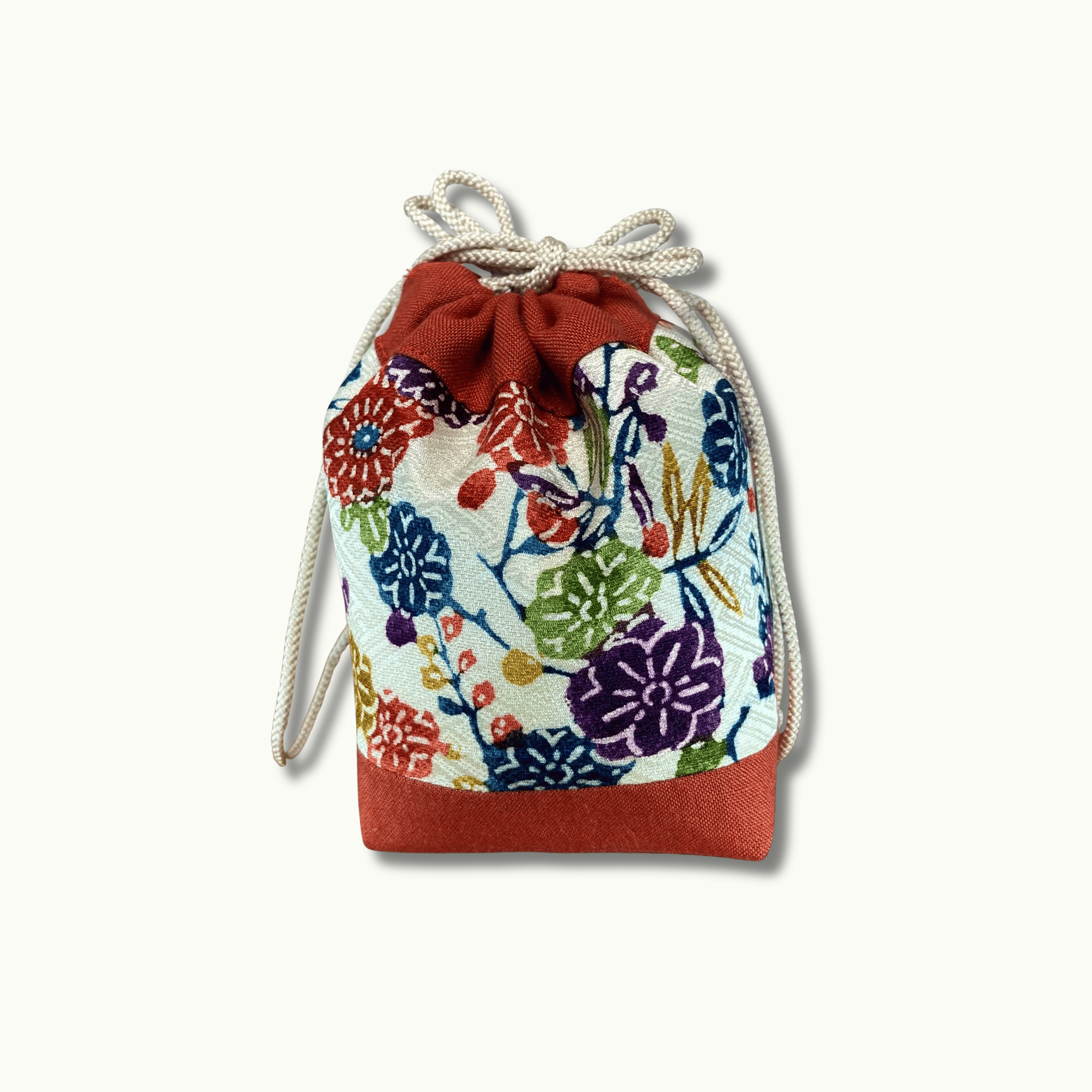
Bingata Drawstring Pouch – Mini — ¥12,584. Genuine hand-dyed bingata in a piece you will actually use, the honest alternative to a printed imitation. Browse more in the bingata collection.
A few more maker-made gifts worth a look: a hand-blown Gettou & Ryukyu Glass Ornament (¥4,180); classic Irabu Chinsuko Cookies (¥780); Kudaka Island Sea Salt (¥1,900) from a sacred island; and a colour-changing Butterfly Pea Tea Gift Box (¥3,850).
Skip the trap. Buy from verified Ryukyu makers.
Frequently Asked Questions
Is shopping in Okinawa expensive?
It does not have to be. Kokusai-dori and airport shops carry a tourist markup, but public markets, supermarkets and roadside stations sell the same snacks, salt and sugar for less. Handmade crafts cost more than factory copies, yet they are the souvenirs actually worth carrying home. Shop where locals shop and you get better value.
What should I buy in Okinawa?
Buy the things unique to the Ryukyu Islands: hand-dyed bingata, yachimun pottery and ceramic shisa, hand-blown Ryukyu glass, and a bottle of awamori. For edible gifts, choose chinsuko shortbread, beni-imo sweets, kokuto black sugar and island sea salt. For a full rundown, see our companion guide to the best souvenirs from Okinawa.
Where do locals shop for souvenirs in Okinawa?
Locals favour Makishi Public Market for food, Tsuboya and Yomitan for pottery and glass straight from the makers, and roadside stations for fresh island produce. The arcades behind Kokusai-dori, like Heiwa-dori and Sakaemachi, are also far less touristy than the main street. These spots give you better prices and more authentic goods.
How can I tell if bingata is real?
Genuine bingata is hand-dyed, so the colour soaks through the fabric and shows on the back, while machine-printed “bingata-style” goods sit only on the surface and cost far less. Look for the national Traditional Craft seal or a named maker, and ask the shop whether the piece was hand-dyed. If they cannot say, treat it as decorative rather than authentic.
Is Ryukyu glass really made from recycled bottles?
Historically, yes. After the Second World War, Okinawan artisans revived glassmaking by melting down cola and beer bottles from the U.S. bases, which gave the glass its colours and bubbles. Most studios now use new raw glass and keep that look as a style, though some still recycle. It is a designated craft of Okinawa Prefecture, not a nationally designated one.
Are Kokusai-dori souvenirs authentic?
Some are, many are not. The street mixes genuine local shops with stalls selling generic Japan goods and imported trinkets. Read the labels, check for “made in Okinawa,” and be wary of mass-moulded shisa and printed textiles. For guaranteed provenance, buy at the Naha Traditional Crafts Center or directly from a studio.
What is awamori, and how do I choose a good bottle?
Awamori is Okinawa’s indigenous distilled spirit, made from long-grain Thai rice and black koji. Choose a bottle labelled “Ryukyu awamori,” which is a protected geographical indication, and for something special pick kusu, aged three years or more. It typically runs 25 to 43% alcohol and fits within standard duty-free allowances.
What Okinawan food can I bring home through customs?
Packaged, shelf-stable foods such as chinsuko, beni-imo sweets, kokuto, sea salt, dried seaweed, sealed tea and bottled juice are generally fine if you declare them. Awamori fits within alcohol allowances. Avoid pork products like rafute and pork-broth soba kits, which are commonly seized, and skip fresh fruit such as shikuwasa. When unsure, always declare it.
Is tax-free shopping in Okinawa worth it?
It can be, if you spend at least ¥5,000 in one shop and carry your passport. However, tax-free is not automatically the cheapest option, because market and supermarket prices can undercut a tourist shop even after the 10% saving. Compare first. Note that Japan is shifting to an airport-refund system from late 2026, so confirm the process before your trip.
What is a good cheap Okinawa souvenir?
Plenty of great gifts cost little. A box of chinsuko, a bag of kokuto candy, a packet of island sea salt, or a small bottle of shikuwasa juice all pack easily and travel well. A single hand-blown Ryukyu glass or a bingata pouch is an affordable step up that still feels special.
What does “omiyage” mean, and how is it different from a souvenir?
Omiyage is the Japanese custom of bringing back a small, usually edible gift to share with family and colleagues, rather than a keepsake for yourself. That is why Okinawan sweets and snacks come in individually wrapped multi-packs. For a personal memento, the crafts, glass and textiles above are the pieces to choose.
The Bottom Line on Shopping in Okinawa
Okinawa rewards the shopper who looks past the tourist shelf. Read the labels, favour the makers and markets over the busy strip, and buy the things that could only come from these islands. Do that, and you carry home a genuine piece of the Ryukyu Kingdom while supporting the artisans who keep it alive. That, in a sentence, is the whole secret of shopping in Okinawa. If you enjoy this kind of slow, story-rich shopping, read our guide to the best souvenirs from Okinawa next, or explore what to buy in Singapore and what to buy in Kathmandu.
Image credits: Kokusai-dori, Naha — 663highland (CC BY 2.5). Bingata garment — Daderot, Tokyo National Museum (public domain). Shisa pair in Naha — Yuet Man Lee (CC BY-SA 4.0). Ryukyu glass — yawning hunter (CC BY 2.0). Chinsuko in Naha — Yuet Man Lee (CC BY-SA 4.0). Makishi Public Market — see caption. All via Wikimedia Commons. Product images courtesy of the vendors / Avendi.