Singapore Souvenirs: How to Shop Like a Local and Skip the Tourist Traps
Shop this story on Avendi
See all →
Singapore is one of the easiest places in Asia to shop. It is safe, clean, and well regulated, so you will not get scammed the way you might elsewhere. Yet plenty of visitors still overpay for generic fridge magnets and mass-produced trinkets that could have come from anywhere. If you want Singapore souvenirs that actually feel like the Lion City — and a fair price for them — a little local know-how goes a long way.
This guide is the anti-tourist-trap playbook. Below you will learn how to spot an overpriced shop in seconds, where locals really buy their gifts, how to tell an authentic craft from a factory import, when bargaining is fair game (and when it is not), and how to claim your GST refund without losing half of it to fees. In short, you get more character and more value for every dollar you spend.
One shortcut before we start: you do not have to trek across the island to shop well. Avendi Local carries authentic, maker-made Singapore souvenirs at the maker’s own price and delivers them the same day to your hotel — no queues, no markups. Use this guide to shop smart in person, or let Avendi do the legwork.
🛍️ Shopping in Singapore right now?
Skip the tourist-shop markup. Avendi delivers authentic Singapore souvenirs from local makers to your hotel, the same day, at the maker’s own price.
How to Spot a Singapore Souvenir Tourist Trap
A tourist trap rarely looks dodgy. Usually it is a bright, convenient shop right where the crowds are — the base of a famous attraction, an Orchard Road frontage, or the departure hall at the airport. The markup is the price you pay for that convenience. Once you know the warning signs, you can walk straight past them.
The red flags to watch for
First, look for missing price tags. Shops that leave items unpriced often quote by the look of you, so a tourist gets one number and a local gets another. Second, be wary of aggressive touting — staff who pull you in, rush you, or refuse to let you compare. A confident, fair seller lets you browse. Third, watch for “last one” pressure and vague bundle maths that never quite add up. Finally, treat prime tourist zones with healthy suspicion: the same keychain at Merlion Park or in the airport can cost several times what it does two MRT stops away.
The simplest defence is to compare. Before you buy anything above a few dollars, check the price at a second stall or a quick phone search. Because Singapore is compact and competitive, an honest price is rarely far away.
The “made in China” Merlion problem
Here is the open secret of the trinket trade: a large share of generic Merlion magnets, snow globes, and figurines are mass-produced overseas and sold wholesale, then marked up in tourist shops. There is nothing wrong with a cheap magnet as a stocking filler. However, if you want a keepsake that genuinely represents Singapore, look past the factory imports toward locally designed pieces — a plush by a Singapore studio, a hand-finished ceramic, or a Peranakan-inspired craft. You will pay a little more, but the story is real and the money supports a local maker.

Where Locals Actually Buy Singapore Souvenirs
The single best way to avoid a tourist trap is to shop where Singaporeans shop. Each district has its own character and its own bargains, so match the neighbourhood to the gift you are after.
Chinatown: heritage crafts and cheerful haggling
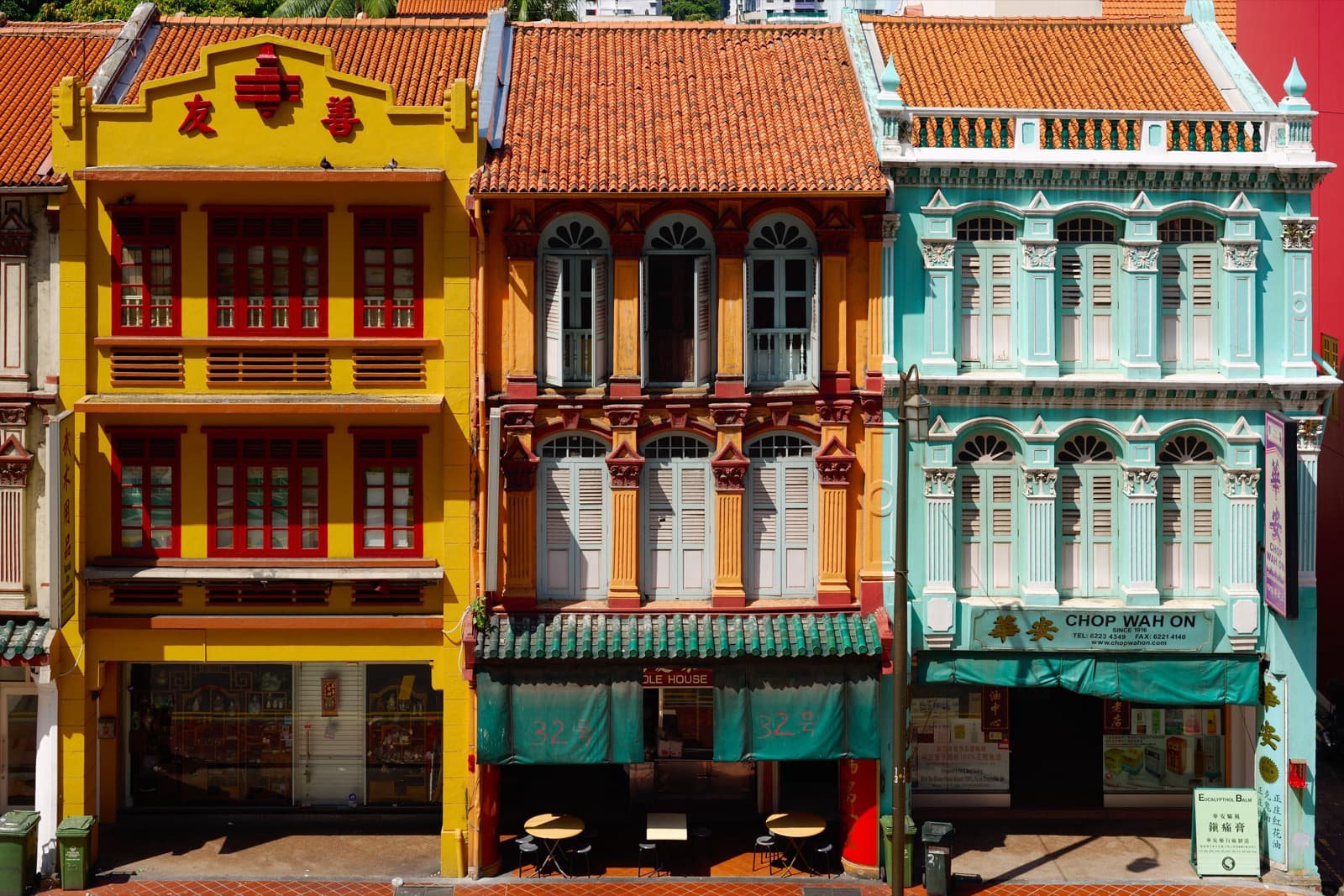
Chinatown’s Pagoda Street and the Chinatown Street Market are the classic hunting ground for affordable gifts. Here you will find silk pouches, tea, chopsticks, embroidered slippers, and every Merlion trinket imaginable. Bargaining is expected, so treat the first price as an opening offer. Step off the main lanes into the shophouses, though, and you will also find genuine heritage shops selling proper Chinese tea, calligraphy, and traditional medicine — the kind of thing worth carrying home.

Mustafa Centre and Little India: fixed prices, open 24 hours
In Little India, the legendary Mustafa Centre is a 24-hour institution where locals buy everything from spices and snacks to gold and electronics. Crucially, Mustafa runs on fixed prices, so there is no haggling and no tourist mark-up — what you see is what you pay. It is unbeatable for bulk buys like tea, curry mixes, Tiger Balm, and packeted snacks. The surrounding streets add fragrant spice shops, textile stores, and flower-garland stalls that make Little India a sensory souvenir in itself.
Bugis Street: budget gifts by the bagful
Bugis Street is one of the largest and cheapest street markets in the city, a maze of stalls loved by students and locals. It is the place for wallet-friendly fashion, phone accessories, quirky knick-knacks, and cheap snacks. Prices here are already low and mostly fixed, though you can sometimes negotiate a little on a bigger haul. Come here when you have a long gift list and a short budget.

Kampong Glam, Katong and the heritage neighbourhoods
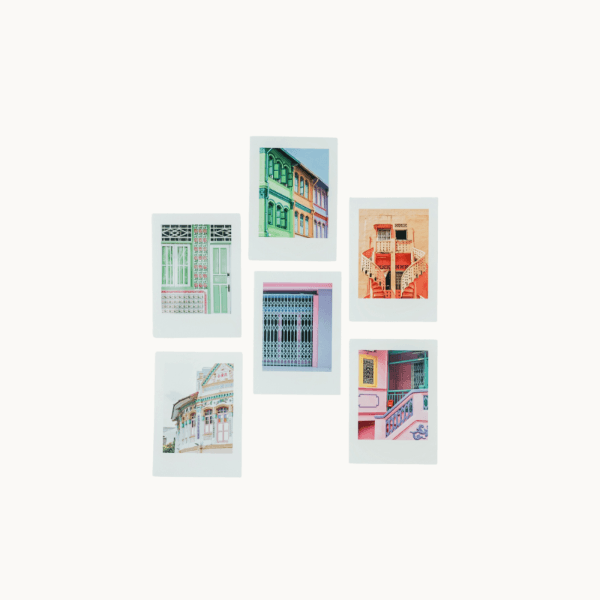
For souvenirs with real soul, wander the historic quarters. Kampong Glam and Haji Lane are known for textiles, perfume oils, and independent boutiques, all framed by colourful street art. Over in the east, Katong and Joo Chiat form the heartland of Peranakan (Straits Chinese) culture, where pastel shophouses hide shops selling kasut manek (beaded slippers), sarong kebaya, tiffin carriers, and Nyonya kueh. These pieces carry a heritage you simply cannot buy at the airport.

Design Orchard and museum shops: curated local design
If you would rather browse the best of homegrown design under one roof, head to Design Orchard on Orchard Road, which gathers scores of homegrown Singapore labels under one roof. The museum shops are another insider tip: the National Gallery, the Peranakan Museum, and the ArtScience Museum all stock beautifully made, locally designed gifts that double as a slice of the city’s culture. This is where you find the elevated keepsakes — well-made, meaningful, and unmistakably Singaporean.
Supermarkets: the smartest place for edible souvenirs
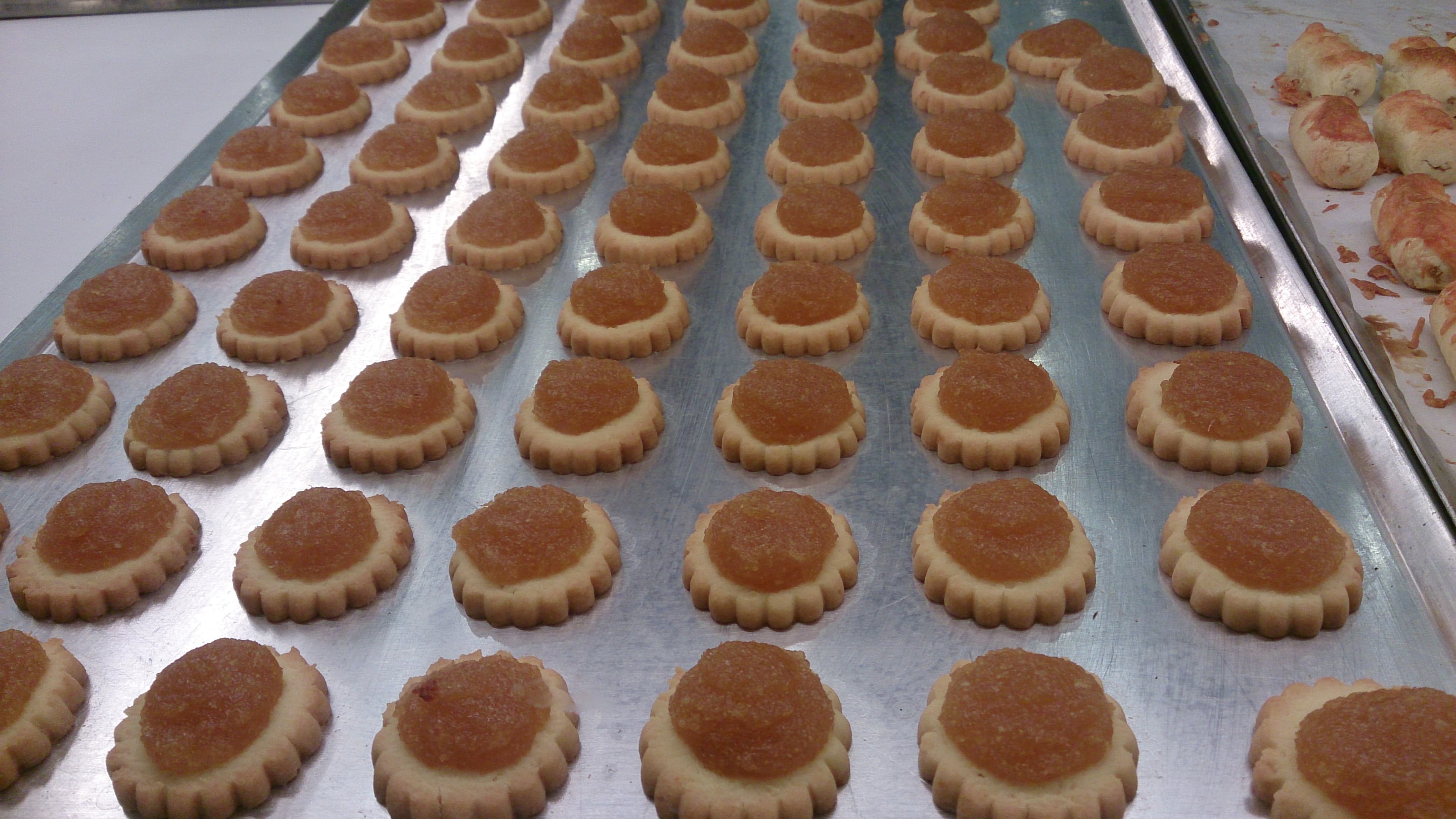
Here is the tip that saves the most money. Many of Singapore’s best food souvenirs — kaya jam, kopi, pineapple tarts, chilli-crab sauce, instant laksa — sit on the shelves of ordinary supermarkets like FairPrice and Cold Storage at everyday local prices, often a fraction of what the same jar costs in an airport gift set. Stock up in town, and save the airport for the things you genuinely cannot carry earlier. For a deeper dive into edible gifts, see our companion guide to the best Singapore food souvenirs.
How to Tell Authentic Singapore Souvenirs from Factory Trinkets
Not every souvenir needs to be handmade. But when you want the real thing, a few checks separate genuine local craft from anonymous imports. Look at the materials and the finish: hand-beaded slippers, hand-painted ceramics, and batik have small irregularities that stamped plastic never will. Check the label for a maker’s name or a Singapore studio rather than a generic barcode. And when you buy from a bricks-and-mortar shop, look for the CaseTrust logo — the accreditation run by the Consumers Association of Singapore (CASE), which signals a retailer audited on fair pricing and clear policies.
Above all, ask who made it. Authentic Singapore souvenirs come with a story — a heritage brand, a local designer, an artisan tradition. When you buy directly from those makers, more of your money reaches the people keeping the craft alive, and you go home with something that means something.

Bargaining in Singapore: Where to Haggle and Where Not To
Singapore is mostly a fixed-price city, which trips up visitors used to bargaining everywhere. Get the etiquette right and you will neither overpay nor cause offence.
Where haggling is fair game: the open street markets, above all the Chinatown Street Market and the bazaars of Little India. A friendly rule of thumb is to counter at roughly 20–30% below the opening price and meet somewhere in the middle. Stay polite and smiling; walking away slowly often earns a better last offer.
Where prices are fixed: shopping malls, department stores, branded boutiques, restaurants, and — importantly — Mustafa Centre. Trying to haggle here simply will not work, so do not bother.
A special warning: electronics and Sim Lim Square
Electronics are the one category where Singapore’s buyer-beware reputation is earned. Sim Lim Square, the city’s famous IT mall, became a cautionary tale in 2014 when a shop called Mobile Air was exposed for high-pressure scams; the owner was later jailed for cheating dozens of customers. The mall has since tightened its act, and most tenants are legitimate. Still, if you buy gadgets there, treat it as buyer-beware: agree the full price in writing, insist on an itemised receipt and the manufacturer’s warranty, never pay extra “fees” sprung on you at the counter, and walk away from anyone who rushes you. For ordinary souvenirs, you will never need to go near it.
Get Your Money’s Worth: The GST Tourist Refund (eTRS)
Singapore charges 9% Goods and Services Tax (GST), and as a tourist you can claim much of it back through the Electronic Tourist Refund Scheme (eTRS). It is worth doing on larger buys, and the process is fully digital. Here is how it works, step by step.
-
Check you qualify. You must be 16 or older, not a Singapore citizen or permanent resident, and a genuine visitor (not someone who has been working or living here). Simple enough for the average traveller.
-
Meet the minimum spend. Spend at least SGD 100 (including GST) at a participating retailer. You can combine up to three receipts from the same shop on the same day to reach it.
-
Show your passport at purchase. Since 2019 there are no paper refund tickets — your passport is the token. Present the original at checkout so the shop links the purchase to you digitally.
-
Claim at the airport. At Changi (or Seletar), scan your passport at an eTRS self-help kiosk. For checked luggage, do this in the Departure Check-In Hall before you go through immigration; for hand-carried goods, use the kiosks after immigration in the transit lounge. Then choose a credit-card or cash refund.
One honest caveat: you will not get the full 9% back. A handling fee is deducted by the refund operator, so most travellers net somewhere around 6–8% of the purchase price. Treat the refund as a welcome discount rather than a full rebate — and remember your goods must leave Singapore, unused, within two months of purchase.

Which Singapore souvenirs clear customs?
Before you load up on edibles, think about the trip home. Most sealed, shelf-stable food souvenirs — kaya jam, tea, coffee, pineapple tarts, salted-egg snacks — travel legally, though you should still declare food on arrival. Meat is the big exception. Bak kwa (barbecued pork) is prohibited or confiscated entering the United States, the European Union, and Australia, even when it is vacuum-sealed. Fresh durian is widely restricted too — it is banned on Singapore’s trains and buses and on flights — so buy durian sweets or paste instead. And while you cannot buy chewing gum in Singapore, do not try to carry quantities in; the import ban is real. When in doubt, choose the sealed, plant-based option and check your destination’s rules first.
Skip the Traps Entirely: Authentic Singapore Souvenirs, Delivered
If you would rather spend your trip exploring than trawling for gifts, this is where Avendi comes in. Every item is made by a verified local Singapore maker, priced at the maker’s own rate — no tourist-shop markup — and delivered to your hotel the same day. Here are a few authentic Singapore souvenirs worth your luggage space.
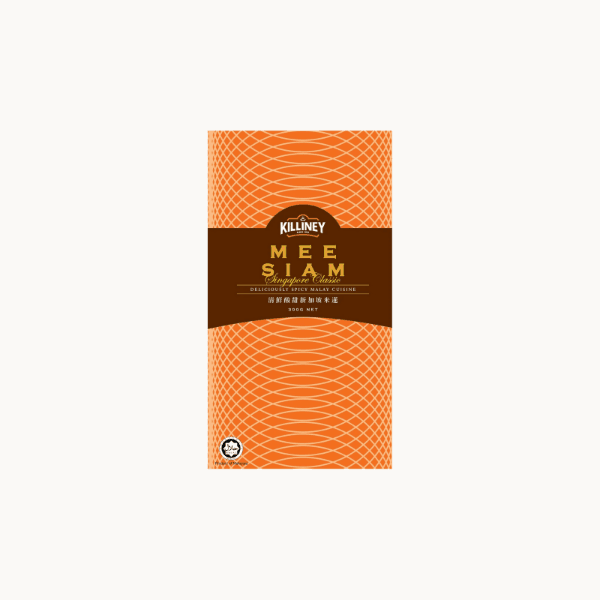
Taste of the kopitiam. The classic Singaporean breakfast, boxed for travel: Killiney Singapore Kaya Coconut Jam (90g sachet box) — SGD 5.50, and Killiney Premium Kopi-O Siew Dai — SGD 9.80. Killiney traces its roots to a 1919 Hainanese coffee shop on Killiney Road, so this is heritage in a jar. Cooking for someone back home? Add Killiney Laksa Paste — SGD 8.80.
Merlion, done properly. Skip the imported magnet. The Nom Nom Merlion Plush with Kebaya (SGD 39.80) and the Merlion Outfit Keychain in Nyonya kebaya (SGD 16.90) are designed by a local studio — the icon with genuine Singaporean character.
Hawker culture for the home. Local design studios turn Singapore’s food heritage into keepsakes: the Recipe Plate (Chilli Crab) — SGD 20.90 and the pillowy Ang Ku Kueh Cushion — SGD 35.90. For more ideas, browse Avendi’s shop-like-a-local edit and Peranakan-inspired pieces.
Shop authentic, skip the queues
Order maker-made Singapore souvenirs on Avendi and have them delivered to your hotel the same day — fair prices, no tourist traps.
Singapore Souvenirs: Frequently Asked Questions
How do I avoid tourist traps when buying Singapore souvenirs?
Shop where locals shop, compare prices before you buy, and be wary of unpriced items, pushy staff, and shops right at attractions or the airport. Head to Chinatown, Bugis Street, or Little India for value, buy edible gifts at supermarkets, and look for locally made pieces rather than factory-imported trinkets. Comparing just two stalls is usually enough to dodge an inflated price.
Where to buy souvenirs in Singapore?
The best-value spots are the Chinatown Street Market, Bugis Street, and the 24-hour Mustafa Centre in Little India. For curated local design, try Design Orchard and the museum shops; for edible gifts, supermarkets like FairPrice and Cold Storage beat airport prices. You can also order authentic maker-made souvenirs online from local sellers for hotel delivery.
What souvenirs to buy in Singapore?
The most distinctly local buys are food souvenirs — kaya jam, kopi, pineapple tarts, and salted-egg snacks — plus Merlion collectibles, Peranakan crafts such as beaded slippers, Tiger Balm, and TWG or local teas. These feel genuinely Singaporean and travel well, unlike generic magnets that could come from anywhere.
Where to buy cheap souvenirs in Singapore?
For budget gifts, head to Bugis Street, the Chinatown Street Market, or Mustafa Centre. Magnets and keychains start around SGD 2–5, and stalls often bundle “3 for SGD 10” deals. Bargaining is welcome at the Chinatown Street Market and in Little India, while Bugis Street and Mustafa Centre are mostly fixed price — already low, so no haggling needed.
Is bargaining acceptable in Singapore?
Only in the right places. You can bargain at open street markets, above all the Chinatown Street Market and Little India; counter at about 20–30% below the asking price and stay friendly. Prices are fixed at malls, branded stores, restaurants, Bugis Street, and Mustafa Centre, where haggling will not work.
How do I claim the GST tourist refund in Singapore?
Spend at least SGD 100 at a store on the eTRS scheme (you can combine up to three same-day receipts from the same shop) and show your passport at purchase. At Changi Airport, scan your passport at an eTRS kiosk — before immigration for checked luggage, after it for hand-carried items — and pick a refund method. GST is 9%, but a handling fee means you receive a little less.
How much GST do tourists actually get back in Singapore?
Singapore’s GST is 9%, but the refund operator deducts a handling fee, so most travellers net roughly 6–8% of the purchase price rather than the full 9%. It is still worth claiming on larger buys such as electronics, watches, or designer goods, but treat it as a discount, not a full rebate.
Are Merlion souvenirs authentic or made in China?
Many cheap Merlion magnets and figurines are mass-produced overseas and marked up in tourist shops. They are fine as inexpensive gifts, but for a genuinely Singaporean keepsake choose a locally designed piece — a plush or keychain from a Singapore studio, or a hand-finished ceramic — where the design and the maker are local.
Where to buy Peranakan souvenirs in Singapore?
The Peranakan heartland is Katong and Joo Chiat in the east, where heritage shops sell beaded kasut manek slippers, sarong kebaya, tiffin carriers, and Nyonya kueh. The Peranakan Museum shop is excellent for authentic, well-made pieces, and several local makers offer Peranakan-inspired crafts online for delivery.
Can I bring food souvenirs home from Singapore?
Sealed, shelf-stable items like kaya jam, tea, coffee, pineapple tarts, and most snacks generally clear customs, though you should always declare food on arrival. The big exception is meat: bak kwa (barbecued pork) is prohibited or confiscated entering the USA, EU, and Australia, even vacuum-sealed. Fresh durian is widely restricted too, so choose durian sweets instead.
Is Mustafa Centre good for souvenirs?
Yes — Mustafa Centre in Little India is one of the best value spots in Singapore. It is open 24 hours, runs on fixed prices with no tourist markup, and is ideal for bulk buys like tea, spices, snacks, and Tiger Balm. It is busy and maze-like, so go with a list and allow time to explore.
What is the best way to buy Singapore souvenirs without the hassle?
If you are short on time, order from verified local makers for same-day hotel delivery. You get authentic, Singapore-made pieces at the maker’s own price, skip the queues and the tourist-shop markup, and keep your days free for sightseeing. Platforms like Avendi Local specialise in exactly this.
The Bottom Line
Singapore rewards the informed shopper. Compare before you buy, shop the neighbourhoods locals love, bargain only where it is welcome, and choose pieces made by real Singapore makers over anonymous imports. Do that, and your Singapore souvenirs will carry genuine character — and you will have paid a fair price for every one. For a curated list of the keepsakes themselves, see our guide to what to buy in Singapore, and for edible gifts, the best Singapore food souvenirs.
And whenever you would rather explore than shop, Avendi Local can bring authentic, maker-made Singapore souvenirs to your hotel the same day — the local price, the real thing, none of the traps. Happy travels, and happy shopping.
Image credits: Chinatown shophouses (featured) — via Wikimedia Commons. Pagoda Street, Chinatown — kallerna (CC BY-SA 4.0). Serangoon Road, Little India — Marcin Konsek (CC BY-SA 4.0). Bugis Street Market — Anggabuana (CC BY-SA 4.0). Koon Seng Road shophouses, Katong — Basile Morin (CC BY-SA 4.0). Peranakan kasut manek slippers — Marcin Konsek (CC BY-SA 4.0). Rain Vortex, Jewel Changi Airport — Kallerna (CC BY-SA 4.0). Via Wikimedia Commons.