Kathmandu Souvenirs: How to Shop Like a Local and Skip the Tourist Traps
Shop this story on Avendi
See all →
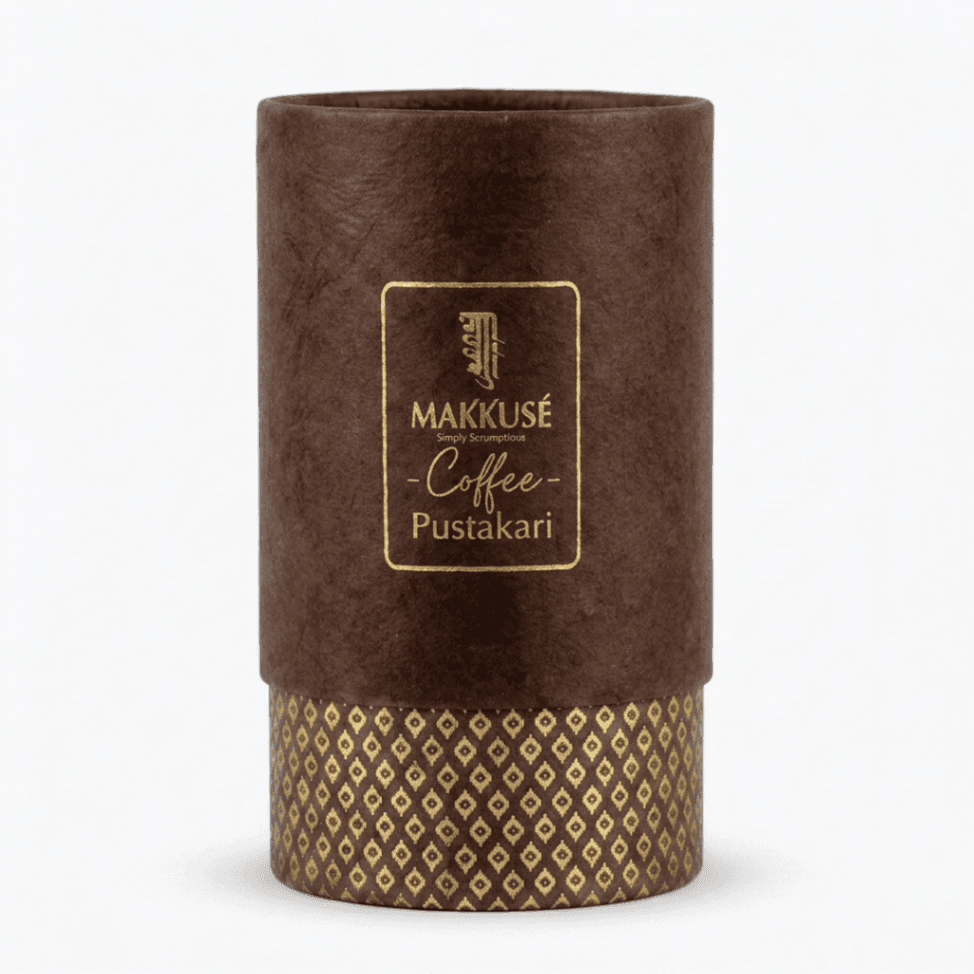
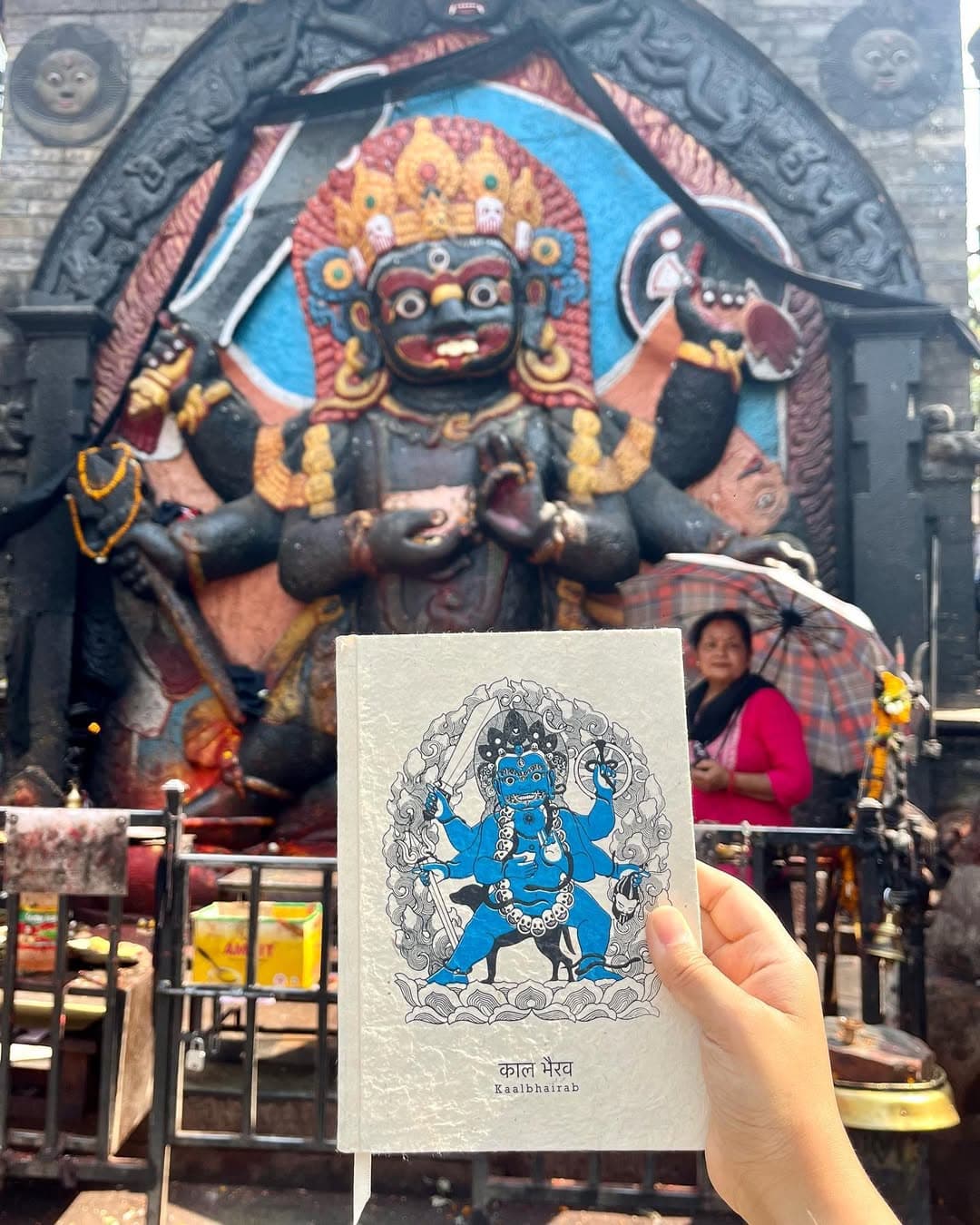
Kathmandu is one of the best places in Asia to shop for handicrafts. Its lanes overflow with pashmina, singing bowls, thangka paintings, and prayer flags. Local artisans still make most of them by hand, much as their grandparents did. Yet the same crowded lanes hide plenty of traps. Think synthetic “pashmina,” printed “hand-painted” art, and tourist markups of several hundred percent. So if you want Kathmandu souvenirs that are genuinely Nepali, a little local know-how goes a long way. It also earns you a fair price.
This guide is the anti-tourist-trap playbook. First, you will learn how to spot an overpriced shop in seconds. Then you will find out where Kathmandu locals actually buy their gifts. You will also learn to tell an authentic craft from a factory import. Finally, we cover when bargaining is fair game, and the export rules you need to know. In short, you go home with more character and more value for every rupee.
One shortcut before we start: you do not have to trek across the valley to shop well. Avendi Local carries authentic, maker-made Nepali handicrafts at the maker’s own price. It delivers them to your hotel the same day, with no touts and no markups. So use this guide to shop smart in person, or let Avendi do the legwork.
🛍️ Shopping in Kathmandu right now?
Skip the Thamel markup. Avendi delivers authentic Kathmandu souvenirs from local makers to your hotel, the same day, at the maker’s own price.
How to Spot a Kathmandu Souvenir Tourist Trap
A tourist trap rarely looks dodgy. Usually it is a bright, convenient shop right where the crowds are. Think the middle of Thamel, the exit of a famous temple, or a stall beside your hotel. The markup is simply the price of that convenience. So once you know the warning signs, you can walk straight past them.
The red flags to watch for
First, look for missing price tags. Shops that leave items unpriced often quote by the look of you. So a tourist gets one number, and a local gets another. Second, be wary of aggressive touting. Avoid staff who pull you in, rush you, or will not let you compare. A confident, fair seller lets you browse. Third, watch for “last one, special price” pressure and vague bundle maths. Finally, treat the busiest tourist corners with healthy suspicion. The same shawl in central Thamel can cost several times what it does in a Patan cooperative.
The simplest defence is to compare. Before you buy anything pricey, check a second shop or do a quick phone search. Kathmandu is compact and fiercely competitive, so an honest price is rarely far away.
The commission trap: “helpful” guides and taxi drivers
Here is the trap most visitors never see coming. Some guides, taxi drivers, and friendly “students” offer to show you around. Many of them earn a commission from the shops they steer you toward. That commission is often a hefty share of the sale, and the shop simply adds it to your price. So beware anyone who insists on their “cousin’s” pashmina factory or a “government emporium” you did not ask about. Be polite but firm, and choose the shop yourself. A genuinely good shop does not need a middleman to fill it.
The “genuine antique” and shahtoosh traps
Two traps deserve special mention, because they can cost you far more than money. The first is the “genuine antique” pitch. A shopkeeper offers an old-looking statue, thangka, or ritual object as a real antique. However, anything genuinely over 100 years old cannot legally leave Nepal (more on that below). So a “museum-piece antique” you can carry home is either not old, or someone is selling it illegally. The second trap is shahtoosh. Weavers make this ultra-fine shawl from the wool of the endangered Tibetan antelope. To harvest it, they must kill the animal, so the CITES treaty bans it worldwide. Yet sellers sometimes pass it off as a superior “pashmina.” Real pashmina, by contrast, is combed from a living Himalayan goat and harms nothing. Buy shahtoosh and customs will seize it, and you can face a heavy fine. When in doubt, walk away.
Where Locals Actually Buy Kathmandu Souvenirs
The single best way to avoid a tourist trap is to shop where Kathmandu locals shop. Each district has its own character and its own honest prices. So match the neighbourhood to the gift you are after.
Thamel: huge choice, big markup, hard bargaining
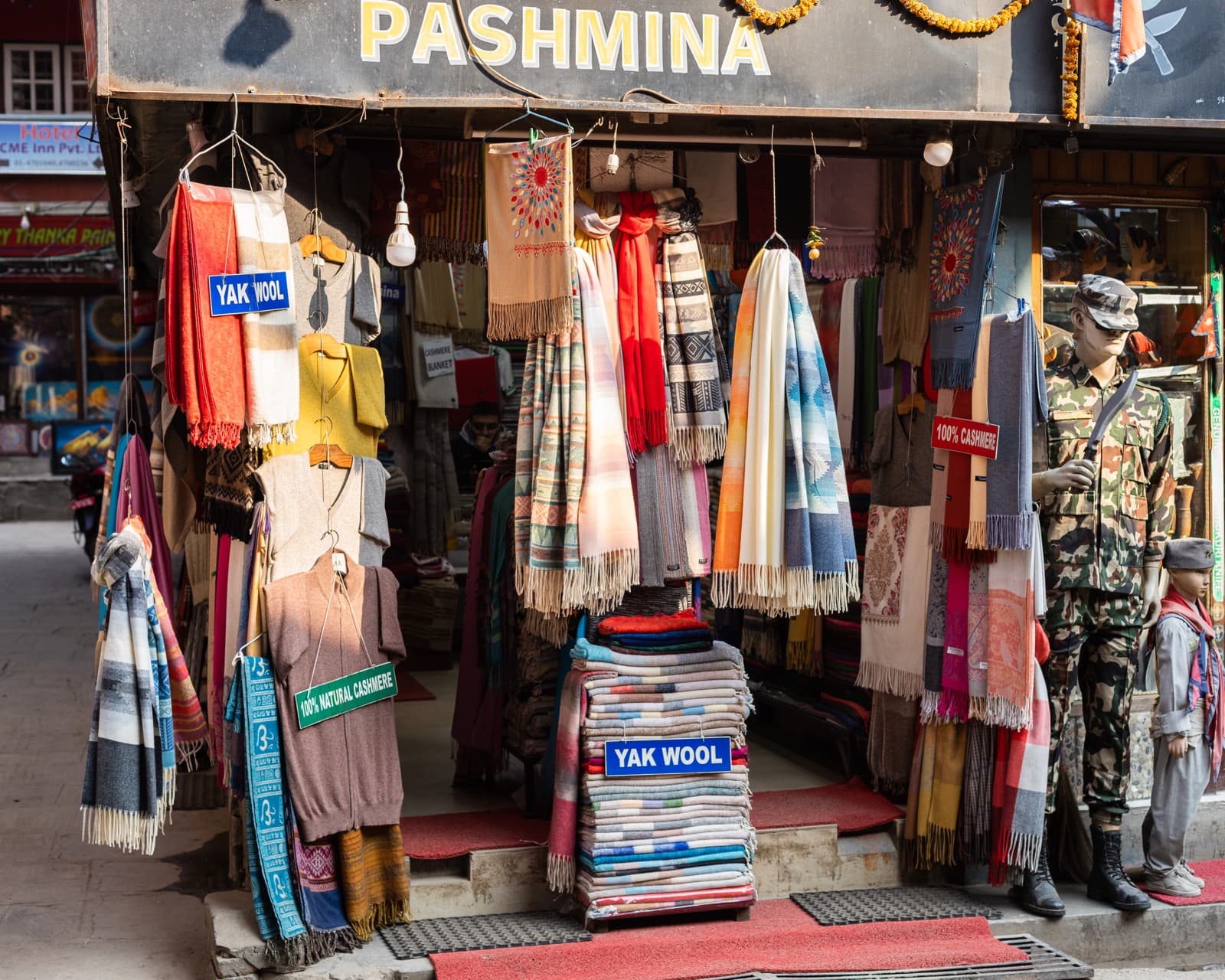
Thamel is the tourist hub. Its narrow lanes hold the country’s widest selection of pashmina, singing bowls, khukuris, prayer flags, and trekking gear. The choice is unbeatable and the atmosphere is fun. Even so, sellers here aim their opening prices squarely at visitors. This is the one place you should always bargain hard and compare first. Treat Thamel as your showroom. Then buy the serious pieces where prices are fairer.

Patan (Lalitpur): metalwork, thangka, and fair-trade shops
Just across the river, Patan is the valley’s workshop of fine craft. It is the home of Newari metalwork, thangka and paubha painting, and silver. Crucially, it is also the heart of Nepal’s fair-trade movement. Around Kupondol and Jawalakhel, you will find non-profit artisan shops such as Sana Hastakala, Mahaguthi, and Dhukuti. They sell at clear, fixed prices and channel the money back to the makers. There is no haggling and no tourist mark-up. What you see is what you pay, and it supports a living craft.
Bhaktapur: wood carving, pottery, and masks at the source
For souvenirs with real soul, spend a day in Bhaktapur. This medieval city is the best place to buy Newari wood carving and hand-thrown pottery from the famous Potters’ Square. It is also the place for painted papier-mâché festival masks, often straight from the workshop that made them. Buying at the source has real advantages. You meet the maker, watch the work in progress, and pay a price much closer to the true value.
Asan and Indra Chowk: the local bazaars
To shop like a Kathmandu local, dive into the old bazaars of Asan and Indra Chowk. These are the city’s everyday markets. They hum with spice merchants, tea sellers, bead stalls, and textile shops. This is where you buy the edible, pack-flat gifts: Nepali tea, timur pepper, jimbu herb, and glass pote beads. Prices here are genuinely local, far below the tourist lanes. The atmosphere alone is a souvenir.

Fair-trade and cooperative shops: fixed, honest prices
If you would rather skip the guesswork entirely, seek out Nepal’s fair-trade and cooperative shops. Organisations such as Sana Hastakala, Mahaguthi, Dhukuti, and the Kumbeshwar Technical School all belong to the fair-trade movement. That means audited fair wages, no child labour, and clear fixed prices. You do pay a little more than a hard-bargained street price. In return, the quality is reliable, the story is real, and far more of your money reaches the artisan.
How to Tell Authentic Kathmandu Souvenirs from Factory Trinkets
Not every souvenir needs to be handmade. But when you want the real thing, a few quick checks help. They separate genuine Nepali craft from anonymous imports. Below are the essentials for the most-faked buys. For the full item-by-item detail, see our companion guide on what to buy in Kathmandu.
Pashmina, thangka, singing bowls and carpets
For pashmina, ignore the famous “ring test.” It only proves the cloth is thin, not that it is cashmere. Instead, look for the official Chyangra Pashmina trademark and read the stated fibre content. Many shops label plain viscose or blended wool as “pashmina.” For a thangka, tilt the painting under raking light. Real brushwork sits slightly raised and the gold glints unevenly. A print looks dead flat and shows a faint dot pattern up close. For a singing bowl, choose by sound and shape. Hand-hammered bowls look slightly irregular and ring with long, complex overtones. Machine-spun bowls look glassy and fade fast. And for a carpet, simply flip it over. A true hand-knotted rug mirrors its pattern on the back, with a warp-extension fringe. A glued backing and a sewn-on fringe mean a gun tufted it instead.
Above all, ask who made it. Authentic Kathmandu souvenirs come with a story: a Patan metalworker, a Janakpur painter, a Bhaktapur carver. Buy directly from those makers, and more of your money reaches the people keeping the craft alive. Better still, you go home with something that actually means something.

Bargaining in Kathmandu: Where to Haggle and Where Not To
Bargaining is part of the fun in Nepal, but only in the right places. Get the etiquette right and you will neither overpay nor cause offence.
Where haggling is fair game: the tourist lanes of Thamel, street stalls, and the open bazaars of Asan and Indra Chowk. Sellers here often inflate opening quotes well above the real price. So treat the first number as a starting point. Counter well below it, often around half. Then stay friendly, smile, and meet somewhere in the middle. Walking away slowly often earns a better last offer.
Where prices are fixed: fair-trade shops, cooperatives, supermarkets, and most modern boutiques. Here the marked price is the price, and it is already fair. It often supports the artisan directly, so haggling is neither expected nor welcome. One golden rule everywhere: keep it good-humoured. Never grind hard over a few rupees, because the goodwill is part of the experience.
Taking It Home: Tax, Export Rules and Customs
A few practical rules will save you a nasty surprise at the airport. None of them is complicated, but all of them matter.
VAT and the price you pay
Nepal charges 13% Value Added Tax (VAT). Unlike Singapore’s slick eTRS system, it offers no practical tourist refund for most shoppers. A little-known refund counter does exist at Kathmandu airport. However, it covers air departures only, carries a minimum-spend threshold, and rarely repays the paperwork on ordinary souvenirs. In practice, then, the 13% is simply baked into fixed shop prices. So factor it into big purchases. And always ask for a proper bill on higher-value items such as silver or a fine pashmina. That bill is your proof of both price and authenticity.
The 100-year antique rule
This is the one rule worth memorising. Nepal’s Ancient Monument Preservation Act protects any object more than roughly 100 years old as an antique. You cannot simply carry such a piece out of the country. Anything newer counts as a “curio” and exports freely. So if a shopkeeper swears an idol, thangka, or khukuri is a genuine antique you can take home, be sceptical. A true antique cannot legally leave. For any old-looking or high-value piece, visit the Department of Archaeology at Ramshah Path in Kathmandu. Staff there inspect it and issue a curio clearance certificate, confirming it is a legal, modern piece. Helpfully, many reputable shops arrange this paperwork for you.
Blades, wildlife, and edible souvenirs
A few categories need extra care. A khukuri is a blade, so it must travel in your checked luggage, never your carry-on. Shahtoosh shawls, ivory, and any tiger or leopard parts are illegal to buy or export. Avoid them entirely, and stick to pashmina, yak-bone, and wool. Mad honey, the mildly intoxicating Himalayan speciality, is a novelty rather than a food. So carry only a small sealed jar, and check your destination’s import rules. When in doubt, choose the sealed, plant-based, clearly modern option. And always declare food on arrival.

Skip the Traps Entirely: Authentic Kathmandu Souvenirs, Delivered
Maybe you would rather explore temples and mountains than trawl Thamel for gifts. That is where Avendi comes in. A verified Nepali maker makes every item, and sells it at their own rate, with no tourist-shop markup. We then deliver it to your hotel the same day. Here are a few authentic Kathmandu souvenirs worth your luggage space.
Wear the Himalaya. A real Nepali shawl is the classic keepsake. Try the lightweight Butterfly Bloom Printed Pashmina Shawl — NPR 5,500, or the finer hand-woven cashmere floral scarf — NPR 10,500. Browse the full pashmina and cashmere range for more.
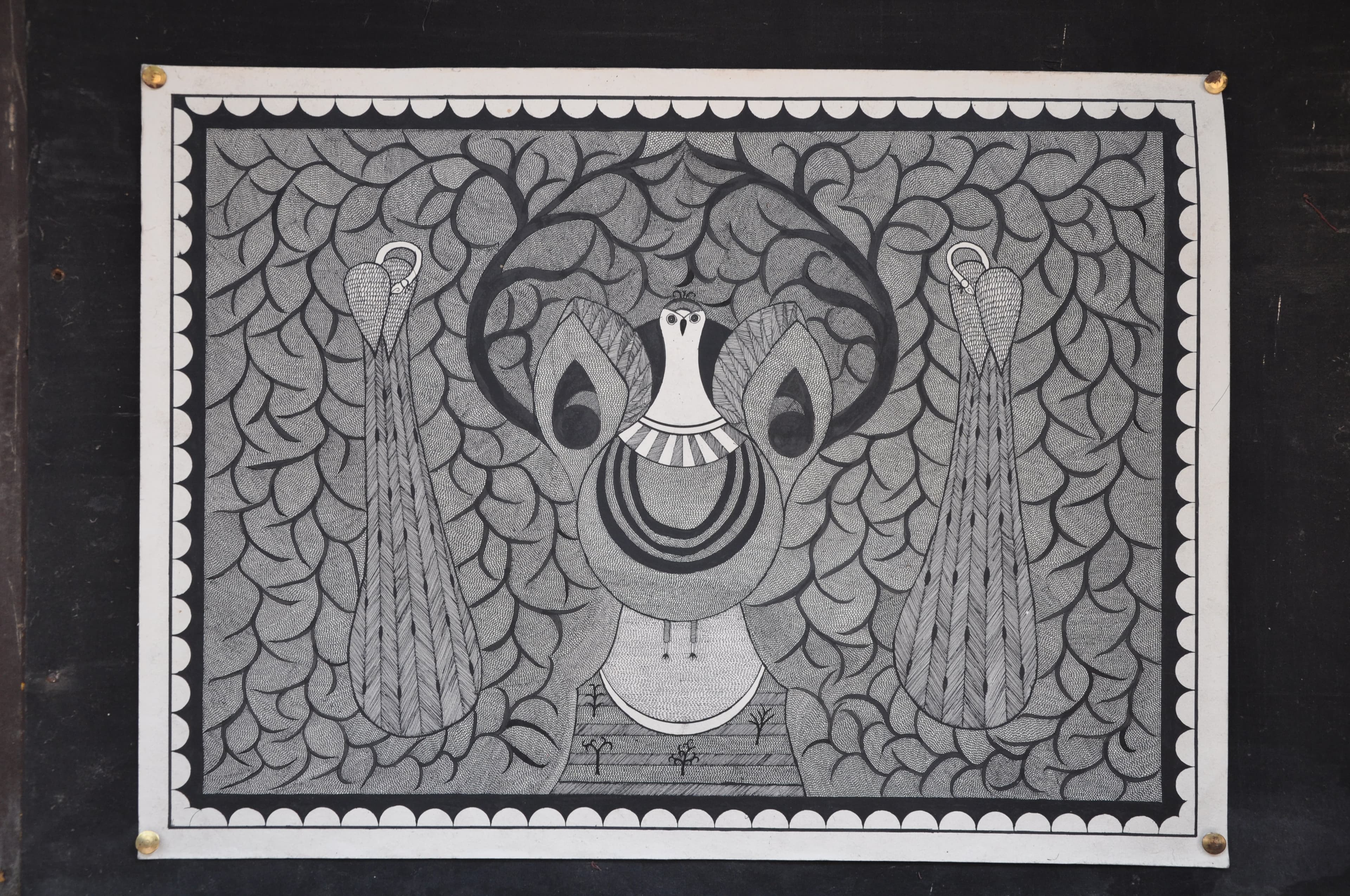
Craft with a conscience. Support living artisans with an Allo Bag with Leather Handles (NPR 6,500), hand-spun from Himalayan nettle. Or pick a hand-painted Mithila Art Coaster Set (NPR 950) from Janakpur, or a Jamarko lokta-paper notebook (NPR 450).
A meaningful keepsake. Take home a piece with real significance. Choose a Lung-Ta Prayer Flag (NPR 800), a framed White Tara artwork (NPR 3,000), or silver Sikka Studs (NPR 3,500) modelled on an old mohar coin. For edible gifts, add Suiro Everest Gold tea (NPR 1,900) or a jar of Himaida Mad Honey (NPR 2,550).
Shop authentic, skip the touts
Order maker-made Kathmandu souvenirs on Avendi and have them delivered to your hotel the same day — fair prices, real crafts, no tourist traps.
Kathmandu Souvenirs: Frequently Asked Questions
How do I avoid tourist traps when buying Kathmandu souvenirs?
Shop where locals shop, and compare prices before you buy. Be wary of unpriced items, pushy staff, and shops in the busiest tourist corners. Use Thamel as a showroom, but buy serious pieces in Patan’s fair-trade shops or Bhaktapur’s workshops. Ignore guides or drivers who steer you to a “special” shop for commission. And choose handmade Nepali crafts over factory-imported trinkets. Comparing just two shops is usually enough to dodge an inflated price.
Where do locals buy souvenirs in Kathmandu?
Locals and savvy travellers head to Patan (Lalitpur) for metalwork, thangka, and silver. The fair-trade shops around Kupondol are the pick, such as Sana Hastakala, Mahaguthi, and Dhukuti. Bhaktapur is best for wood carving, pottery, and masks bought at the workshop. The Asan and Indra Chowk bazaars are where you buy tea, spices, and beads at everyday local prices. You can also order authentic maker-made pieces online for hotel delivery.
Is bargaining expected in Kathmandu?
Only in the right places. Sellers expect haggling in Thamel, at street stalls, and in the Asan and Indra Chowk bazaars, where they inflate opening prices for tourists. Counter below the asking price, and settle in the middle, politely. Prices are fixed at fair-trade shops, cooperatives, supermarkets, and modern boutiques. There the marked price is already fair, and it often supports the artisan directly.
How much should I bargain in Thamel?
In Thamel’s tourist lanes, sellers frequently mark opening quotes well above the real price. So counter well below the first number, often around half. Then meet somewhere in the middle. Stay friendly, and compare a second shop first. Walk away slowly if the price will not move, as that often produces a better last offer. Never grind hard over a few rupees, though; goodwill is part of the deal.
How can I tell if a pashmina is real?
Do not rely on the ring test, which only shows the cloth is thin. Instead, look for the official Chyangra Pashmina trademark. Read the stated fibre content, since genuine pashmina is fine cashmere, sometimes blended with silk. Then buy from association members or Patan cooperatives. Be very wary of any “shahtoosh” shawl sold as a superior pashmina. It is illegal, and customs will seize it.
What is shahtoosh, and why should I avoid it?
Shahtoosh is an ultra-fine shawl. Weavers make it from the wool of the endangered Tibetan antelope, which poachers must kill to obtain it. The CITES treaty bans the trade worldwide. Even so, sellers occasionally offer it to tourists as a “better than pashmina” luxury. Buying it is illegal, customs abroad will confiscate it, and you can face a fine. So always choose genuine pashmina from a Himalayan goat instead.
Are Tibetan singing bowls made in Kathmandu authentic?
Yes, in the sense that artisans genuinely hand-craft most of them in the Kathmandu Valley today. But they are not ancient Tibetan ritual instruments, despite the sales pitch. The meditative “singing” use spread in the West only from the 1970s. And the metal is ordinary copper-tin bell metal, not seven sacred metals. Choose a bowl by its sound and hand-hammered finish, and ignore any “antique” backstory.
Can I export antiques from Nepal?
No. The Ancient Monument Preservation Act protects objects more than about 100 years old, and you cannot export them freely. So any “genuine antique” offered to tourists is either not truly old, or someone is selling it illegally. New handicrafts count as curios and export freely. For any old-looking or high-value piece, visit the Department of Archaeology at Ramshah Path in Kathmandu. Staff there inspect it and issue an export clearance certificate.
Is there a VAT refund for tourists in Nepal?
Not in any practical sense. Nepal charges 13% VAT. A little-known refund counter exists at Kathmandu airport for air departures with a minimum spend. However, it is obscure and rarely worthwhile for ordinary souvenirs, with nothing like Singapore’s easy eTRS. So treat the 13% as included in fixed shop prices, and factor it into larger purchases. Always take a proper receipt on high-value items such as silver, pashmina, or a thangka.
Can I take a khukuri knife on the plane?
Yes, but only in your checked luggage, well wrapped. Never pack it in your carry-on, as it is a blade. A brand-new khukuri exports from Nepal without any issue. Only a genuine antique over 100 years old is restricted, and it would need a Department of Archaeology certificate. For a normal souvenir khukuri, checked luggage is all you need to think about.
What is the best way to buy Kathmandu souvenirs without the hassle?
If you are short on time, order from verified local makers for same-day hotel delivery. You get authentic, Nepali-made pieces at the maker’s own price. You also skip the touts and the tourist-shop markup, and keep your days free for sightseeing. Platforms like Avendi Local specialise in exactly this.
The Bottom Line
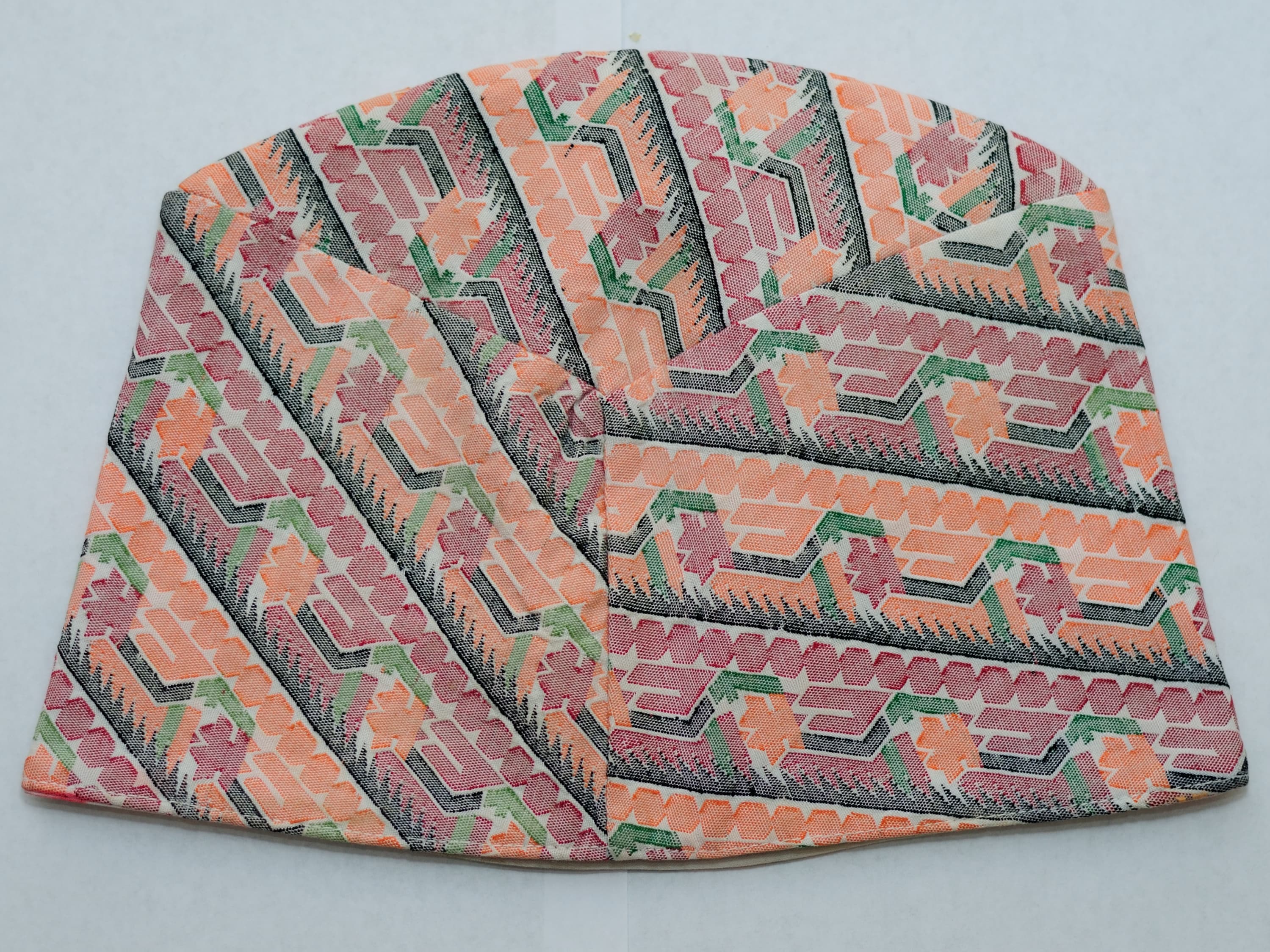
Kathmandu rewards the informed shopper. Compare before you buy, and shop the neighbourhoods locals love. Ignore the commission touts, and bargain only where it is welcome. Above all, choose pieces made by real Nepali artisans over anonymous imports. Do that, and your Kathmandu souvenirs will carry genuine character. You will also have paid a fair price for every one. For the keepsakes themselves, see our companion guide to what to buy in Kathmandu. And dig deeper into mad honey, the Dhaka topi, and Mithila art.
And whenever you would rather explore than shop, let Avendi Local help. It brings authentic, maker-made Kathmandu souvenirs to your hotel the same day. That means the local price, the real thing, and none of the traps. Safe travels, and happy shopping.
Image credits: Thamel souvenir shops — Bijay Chaurasia (CC BY-SA 4.0). Singing bowls — Serg Childed (CC BY-SA 4.0). Asan spice bazaar — Dr. Nishant Bhatt (CC BY-SA 4.0). Khukuri with scabbard — The Met (CC0). Via Wikimedia Commons and public-domain sources. Product photography courtesy of the makers via Avendi Local.